Finding doctors that accept Medicaid for weight loss surgery can involve more than locating a nearby bariatric clinic. Before arranging a consultation, it helps to know which details belong to the provider search and which require a coverage decision.
This guide explains three practical search routes, the questions to raise before scheduling, and how to keep referrals, paperwork, and follow-up care moving in the right direction.
1. Where Can You Find Weight Loss Surgeons Who Accept Medicaid?
The easiest way to find doctors that accept Medicaid for weight loss surgery is to start with your insurance network. However, there are three useful places to search.
Start with your plan’s directory
Visit your Medicaid health plan’s website and search for “bariatric surgery,” “metabolic surgery,” or “general surgery.”
Once you find a possible provider, call the office and confirm:
- They accept your exact Medicaid plan.
- They are accepting new Medicaid patients.
- The surgeon performs the procedure you’re considering.
- The consultation location and surgical facility meet your plan’s requirements.
A provider appearing in an online directory doesn’t guarantee that the office is currently accepting appointments.
Request a referral
Your primary care provider may know bariatric specialists who work with your Medicaid plan.
Ask whether your coverage requires a formal referral before scheduling. Your provider may also help send medical records needed for the initial consultation.
Check specialist resources
You can use the ASMBS Find a Provider directory to search for doctors that accept Medicaid for weight loss surgery by location or specialty.
The American College of Surgeons hospital search can also help you identify accredited bariatric centers.
However, neither directory confirms Medicaid participation. Before scheduling, contact the practice and your health plan to verify network status and any facility requirements.
Keep a short list of confirmed providers, including their contact information and appointment availability. This makes it easier to compare options or ask your health plan for additional assistance.
2. Does Medicaid Cover Weight Loss Surgery?
Medicaid may cover bariatric surgery when the applicable program’s coverage and medical-necessity requirements are satisfied. The answer depends on your state, plan, proposed procedure, and individual circumstances.
Finding doctors that accept Medicaid for weight loss surgery establishes a possible care option; it does not establish approval for your operation. The plan may need to review your medical records through prior authorization before surgery can proceed.
For example, North Carolina Medicaid requires qualifying bariatric surgery facilities to hold MBSAQIP accreditation and include proof of that accreditation with prior approval requests. Its policy also excludes bariatric procedures for beneficiaries with a BMI below 35.
These requirements are specific to North Carolina. Other Medicaid programs may use different medical and facility criteria, so always review the policy that applies to your coverage.
Ask for the current written bariatric surgery policy, including any hospital, accreditation, or surgical-program requirements.
Do not treat another patient’s approval checklist as your own: state Medicaid policies differ, and clinical recommendations do not automatically determine insurance coverage.
Once coverage is clarified, the next task is documenting why the proposed treatment fits your health needs.

3. What Requirements Might You Need to Meet?
Before scheduling multiple evaluations, ask your bariatric team for your Medicaid plan’s current approval checklist.
Requirements vary by state and may include:
- BMI and medical history: Your body mass index, obesity-related conditions, and surgical risk.
- Previous treatment: Records of nonsurgical weight-management efforts, when required by the policy.
- Presurgical evaluations: Nutritional assessments, behavioral health evaluations, laboratory testing, or specialist clearance.
Your surgeon may recommend additional evaluations based on your health, even when they aren’t specifically required by Medicaid.
Ask the office which documents are needed for prior authorization and who will submit them. This can help you avoid unnecessary appointments or delays.
>>> Read more: Is MediCal the Same as Medicaid? What Changes in California?
4. What Should You Ask Before Choosing a Bariatric Surgeon?
Finding a surgeon who accepts your Medicaid plan is important, but so is understanding the care you’ll receive afterward.
Ask about the surgeon’s experience with your proposed procedure, how complications are handled, and whether the program provides access to nutrition counseling and long-term follow-up.
Also confirm that the surgical facility meets your Medicaid plan’s accreditation requirements, if any.
Next, verify participation separately for the surgeon, hospital, anesthesia team, and any other anticipated providers. A participating surgeon does not establish network status for every professional involved.
Before leaving the consultation, identify who submits prior authorization, whether your plan requires a referral, and whom you should contact for updates. Keep those contact details together so paperwork questions reach the right person.
5. What Costs Should You Confirm Before Surgery?
Before scheduling doctors that accept Medicaid for weight loss surgery visit, ask your Medicaid plan which parts of your treatment are covered.
These may include presurgical consultations, required evaluations, the operation, hospitalization, and postoperative appointments.
For covered services, participating Medicaid providers generally must accept Medicaid payment plus any legally permitted patient cost sharing as payment in full.
That means the difference between a provider’s original charge and Medicaid’s payment is not automatically your responsibility.
However, some expenses may need separate coverage checks. For example, your surgical team may recommend ongoing vitamin supplements or nutritional follow-up after the procedure.
If a practice asks you to pay privately, contact your Medicaid plan before signing an agreement. Confirm whether the service is covered and whether the proposed charge is permitted under your state’s rules.
You can also ask about Medicaid transportation assistance if the participating surgical center is far from home.
6. What If You Cannot Find a Provider or Your Request Is Denied?
Finding doctors that accept Medicaid for weight loss surgery can be difficult, especially when your Medicaid plan has a limited specialist network.
However, you may have options beyond continuing to call the same offices.
Ask Your Medicaid Plan for Help Finding a Surgeon
If every participating bariatric practice you contact is unavailable, document the offices, dates, and responses.
Then contact your Medicaid plan and request help finding a surgeon who can provide the medically necessary service.
Under federal Medicaid managed care rules, when a plan’s network cannot provide a covered, medically necessary service, the plan must arrange adequate and timely out-of-network coverage.
The cost to you cannot be greater than the applicable in-network amount.
This protection doesn’t guarantee coverage for surgery that your Medicaid program excludes or hasn’t approved as medically necessary.
Ask the plan to authorize any out-of-network arrangement before scheduling treatment.
What If Medicaid Denies Weight Loss Surgery?
If your surgery request is denied, review the written notice with your bariatric team.
The denial may involve missing documentation, medical-necessity criteria, facility requirements, or an excluded procedure.
Ask whether additional records could address the decision and follow the formal appeal instructions.
For Medicaid managed care members, the deadline to request a plan appeal is generally 60 calendar days from the date of the denial notice.
If waiting for treatment could seriously affect your health, ask whether expedited review is appropriate.
7. Stay Connected to Your Surgical Team
Bariatric care keeps your phone busy long after the first consultation. Referrals have to be sent, authorizations have to come through, and the surgical team checks in once you are home from your procedure. If keeping the line active is a strain, there is another place to look for help.
Think of Lifeline as a partnership between a federal program and an Eligible Telecommunications Carrier (ETC).
The FCC sets the rules, and the Universal Service Fund pays for the benefit, which takes up to $9.25 per month off qualifying phone service or internet service.
Eligible households on qualifying Tribal lands can receive up to $34.25. Whether you qualify depends on your household income and participation in qualifying programs.
Medicaid is one such program, though you still need to apply and be verified. Each household may receive one benefit, which cannot be transferred.
The ETC is the provider that turns your approval into working service. Cintex Wireless is an ETC that also offers free or discounted phones, so the support does not end at the plan. It is merging into AirTalk Wireless, another ETC, which brings a wider selection and an easier application.
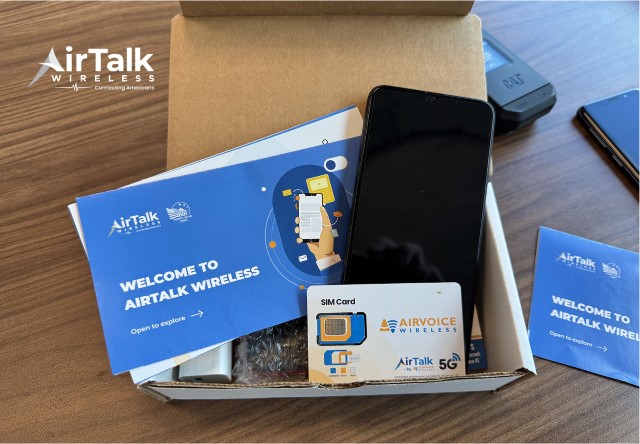
Some of the phone models you might encounter include:
Promotional devices and paid upgrades are separate offers; eligibility, location, stock, pricing, and terms determine availability. Neither a particular model nor a free phone is guaranteed.
IMPORTANT: The government does not subsidize devices. Lifeline programs cover basic service costs only. Free or discounted devices, upgrade plans, or top-ups are exclusive benefits provided by AirTalk Wireless and Cintex Wireless as part of the promotional offers. Terms and conditions apply. Limited-time promotion—offers vary by state, stock availability, and eligibility.
Conclusion
Finding doctors that accept Medicaid for weight loss surgery starts with your health plan’s provider directory, but confirming participation is only part of the process.
Before scheduling, verify the surgeon’s availability, facility requirements, and any necessary referral or authorization. If you cannot find an in-network provider, ask your Medicaid plan about additional options.
Choosing a surgical team that can provide both the procedure and appropriate follow-up care will help you move forward with clearer expectations.