Braces can be expensive, especially when your family is already managing other bills. If your child needs orthodontic treatment, you may be wondering, “Does Medicaid cover braces in Florida?”
Knowing where to start can help you explore your options and make informed decisions about your child’s dental care.
1. Does Medicaid Cover Braces in Florida?
Yes. Florida Medicaid covers orthodontic treatment for eligible recipients under age 21 when the treatment is medically necessary and meets the program’s orthodontic requirements.
Florida’s Medicaid dental policy specifically covers orthodontic services for qualifying handicapping malocclusions. That means having crooked teeth or wanting a straighter smile does not automatically qualify someone for braces.
Orthodontic treatment also requires prior authorization. The orthodontist must submit the required clinical information so the dental plan can determine whether the case meets Florida Medicaid’s criteria before covered treatment begins.
Florida Medicaid dental services are provided through dental plans, so members should confirm their network orthodontist and authorization process with the plan covering them.
2. Who Qualifies for Braces Under Florida Medicaid?
Several requirements can affect whether orthodontic treatment is approved:
- Age: The standard Medicaid orthodontic benefit applies to recipients under 21.
- Qualifying orthodontic condition: The case must meet Florida Medicaid’s criteria for a handicapping malocclusion.
- Medical necessity: Treatment must be needed for a covered clinical reason rather than primarily cosmetic improvement.
- Clinical records: The orthodontist must provide the records required to support the authorization request.
- Prior authorization: The dental plan must approve the orthodontic treatment before covered services begin.
Medicaid enrollment alone does not guarantee braces. An orthodontist first evaluates the child’s bite and prepares the documentation needed for the plan’s review.
If your child is close to age 21, contact the dental plan before beginning the authorization process and ask how the age requirement applies to evaluation, approval, and ongoing treatment.
>>> Also read: Does Medicaid Cover Braces in Texas? Eligibility and Coverage Guide
3. How to Get Braces Covered by Florida Medicaid Step by Step
Getting braces approved takes more than scheduling an orthodontist appointment. These steps can help you understand the process and avoid starting treatment before confirming coverage.
Step 1: Check Your Florida Medicaid Dental Plan
First, find out which dental plan covers your child. Florida Medicaid recipients generally receive dental services through a participating dental plan.
If you don’t know which plan you’re enrolled in, visit the Florida Medicaid dental website or call the Medicaid Choice Counselor at 1-877-711-3662.
Ask the plan whether orthodontic evaluations are covered, which orthodontists are in its network, and whether a referral is needed. You should also request its current criteria for medically necessary braces.
Step 2: Get an Orthodontic Evaluation
Next, arrange an evaluation with an orthodontist who accepts your child’s Medicaid dental plan. The provider will examine the teeth and bite and may take X-rays, photographs, or dental impressions to assess the condition.
Explain that you’re seeking Medicaid coverage before the appointment. The orthodontist’s office may be familiar with the plan’s documentation requirements and can tell you what information is needed to support a request.
Step 3: Confirm Medical Necessity and Prior Authorization
Florida Medicaid orthodontic treatment requires prior authorization.
If the orthodontist believes your child’s condition meets the coverage criteria, the office submits the required clinical records and treatment information to the dental plan. The plan then reviews the case for medical necessity and compliance with Florida Medicaid’s orthodontic requirements.
Approval is based on the individual case, so having Medicaid and receiving an orthodontic recommendation do not guarantee coverage.
Step 4: Confirm Approval Before Starting Treatment
Do not begin treatment that you expect Medicaid to cover until the required authorization has been approved.
Review the decision with the orthodontist and confirm what treatment was authorized. If the request is denied, obtain the written decision before deciding what to do next.
>>> Read more: How To Get Free Braces With Medicaid: What You Should Know 2026
4. Why Would Medicaid Deny Braces and What Can You Do Next?
Florida Medicaid dental plan may deny braces if the orthodontic condition does not meet the program’s medical-necessity criteria. A request can also be denied when required records are missing or the authorization request does not support coverage.
Cosmetic concerns alone are not enough. Florida Medicaid’s orthodontic benefit focuses on qualifying handicapping malocclusions.
If treatment is denied:
- Read the written notice: Identify the exact clinical or administrative reason.
- Ask the orthodontist to review it: Missing records or unclear documentation may need to be addressed.
- Request the plan criteria: The member can ask for information used to make the coverage decision.
- File a plan appeal when appropriate: Follow the instructions and deadline in the Notice of Adverse Benefit Determination.
- Consider a Medicaid Fair Hearing: If the dental plan upholds the denial after its appeal process, the member may then have the right to request a Medicaid Fair Hearing.
Do not rely only on a verbal explanation. The written notice tells you what was denied and explains the next steps available in your case.
5. How to Reduce Other Household Costs While Managing Dental Expenses
When dental bills add up, reviewing everyday expenses can help free up room in your budget. Your phone bill is one place to start.
The Lifeline program helps eligible households across the country, including Florida residents, save on phone service or internet service. You may qualify through participation in Medicaid, SNAP, SSI, FPHA, or household income.
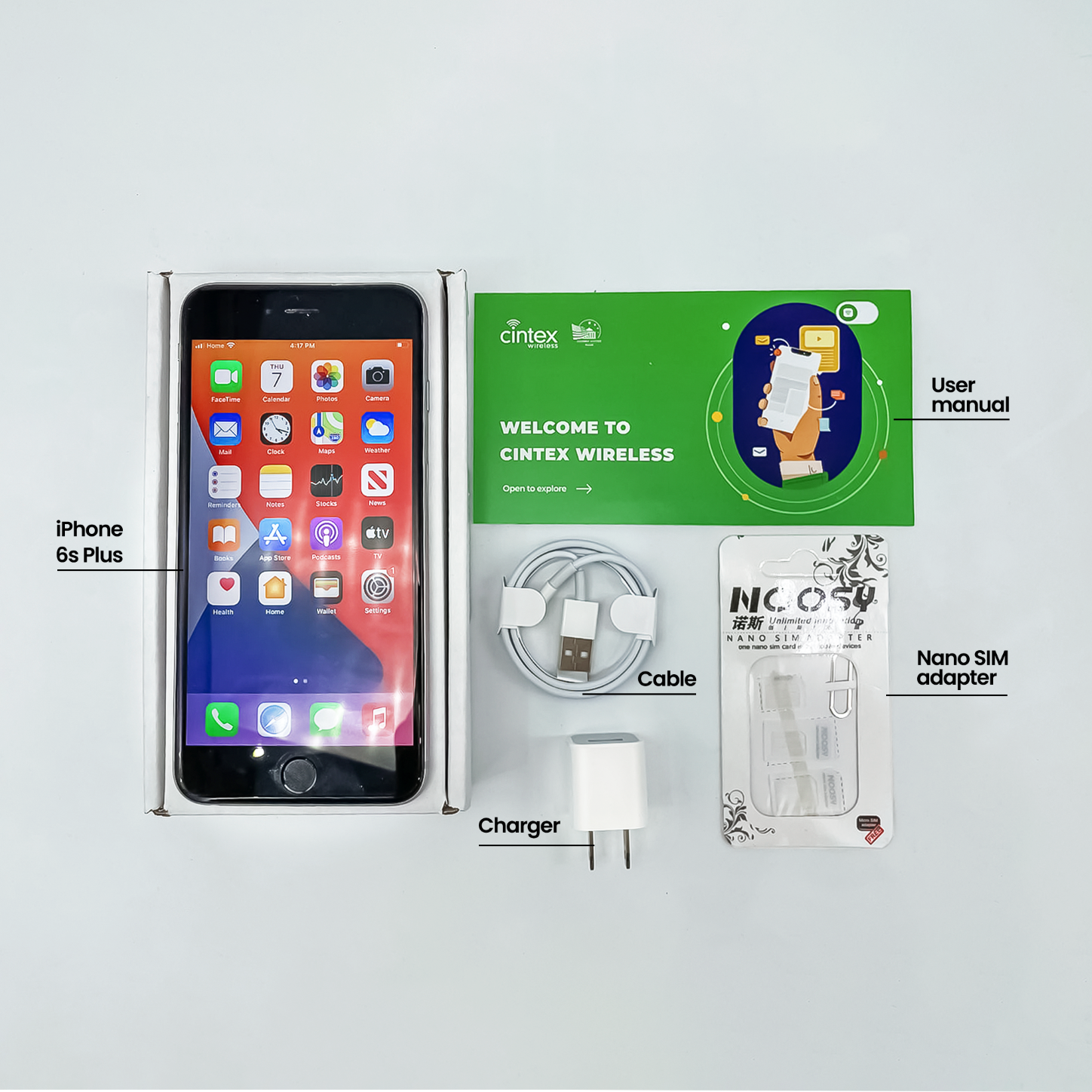
Choosing a reputable Lifeline provider is the next step. Cintex Wireless is one Lifeline provider that has helped eligible households save on monthly wireless costs.
The carrier has recently merged with AirTalk Wireless, giving applicants a more convenient way to apply online and explore available service plans and device offers through AirTalk, including:
- Monthly service with talk, text, and data
- Free or discounted smartphones and tablets from popular brands
- Free SIM card or eSIM options
- Calling features such as Wi-Fi Calling and international calling
Offers and benefits vary, so check the current details before applying. Start your application today and see if you can put more of your phone bill back toward your family’s needs!
DISCLAIMER: The government does not subsidize devices. Lifeline programs cover basic service costs only. Free or discounted devices, upgrade plans, or top-ups are exclusive benefits provided by AirTalk Wireless and Cintex Wireless as part of the promotional offers. Terms and conditions apply. Limited-time promotion—offers vary by state, stock availability, and eligibility.
6. FAQs
How much do braces cost out of pocket in Florida?
The cost depends on the type of braces, treatment complexity, provider, and length of treatment. Traditional braces can cost several thousand dollars without insurance.
How to get free braces with Medicaid for adults?
Florida Medicaid’s standard orthodontic benefit applies to recipients under 21. For adults age 21 and older, braces are not listed among the standard covered dental services. Ask your dental plan whether any separate benefit or alternative treatment applies to your situation. Florida Medicaid Managed Care
At what age does Medicaid stop covering braces?
Florida Medicaid lists orthodontic treatment as a benefit for recipients under age 21, meaning ages 0 through 20. Medical necessity and prior authorization still apply. If treatment is being considered close to age 21, ask the dental plan how timing affects authorization and continuing care.
How do I get braces if I have no money?
Start by checking Medicaid eligibility if you’re under 21, then ask an orthodontist about payment plans, reduced-cost clinics, or dental schools that provide supervised treatment. Local charitable programs may also help, although availability and eligibility vary.
Conclusion
Dental concerns can be stressful when you’re trying to make every dollar count, especially when your child needs care that may be costly.
If you’re asking, “Does Medicaid cover braces in Florida?”, take time to confirm the requirements with your dental plan and get a clear answer before treatment begins. A little preparation can help you make a more confident decision for your family.