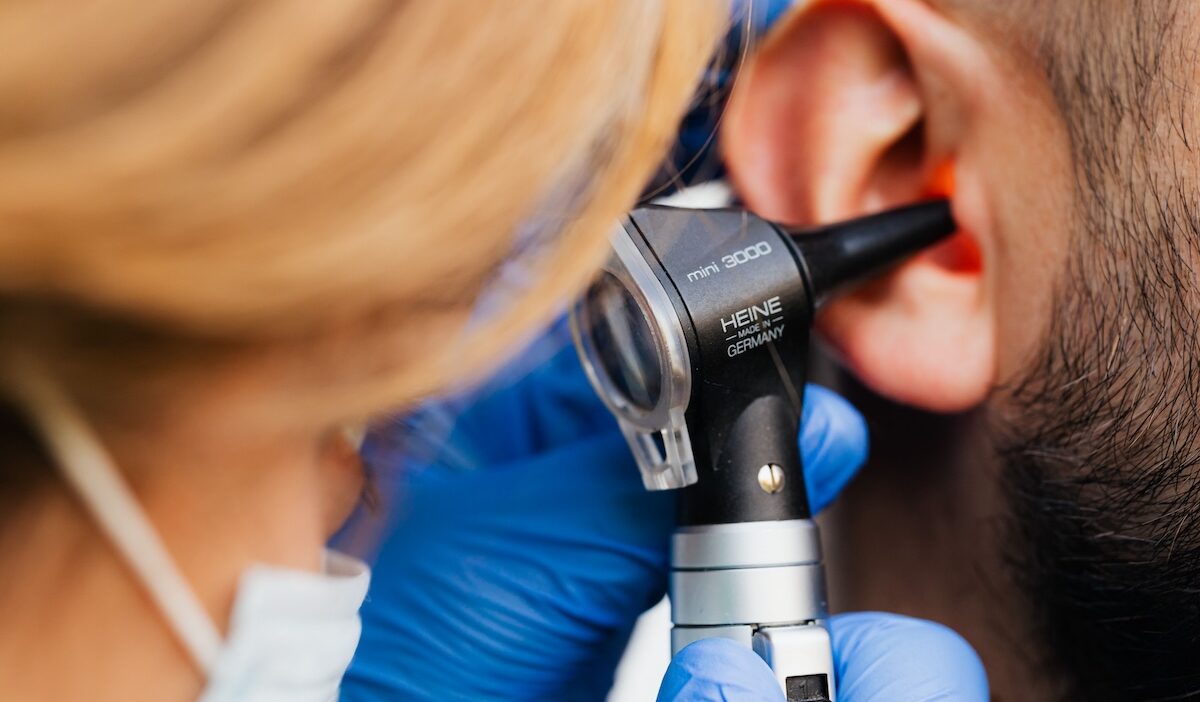
Does Medicaid cover hearing tests? It is a common question when small signs of hearing loss start affecting everyday life. Maybe conversations are becoming harder to follow, the TV needs to be louder than before, or you find yourself asking others to repeat themselves more often.
The good news is that Medicaid may cover hearing tests in many situations, but coverage depends on factors like your age, medical needs, and your state’s Medicaid rules. Understanding what your plan includes can help you seek care with more confidence and avoid unexpected costs.
1. Does Medicaid Cover Hearing Tests?
Yes, Medicaid can cover hearing tests, but the exact coverage depends on your age and state. Hearing services are not covered under one identical rule nationwide.
For adults, states have more flexibility in deciding whether and how to cover hearing services. For children under 21, federal EPSDT requirements provide broader protections.
For children
Children enrolled in Medicaid receive hearing screening as part of the Early and Periodic Screening, Diagnostic, and Treatment (EPSDT) benefit.
If a screening identifies a possible hearing problem, Medicaid must cover medically necessary diagnostic and treatment services for eligible children. This can include further hearing evaluations, hearing aids, replacement batteries, and other appropriate treatment.
For adults
For adults, does Medicaid cover hearing tests depends largely on state policy. Hearing-related services are an optional Medicaid benefit category, so states can set their own coverage rules and limitations.
Depending on your state and plan, coverage may require:
- A medical reason for the hearing evaluation
- A referral from a healthcare provider
- Prior authorization
- Use of a Medicaid-participating audiologist or hearing clinic
A routine hearing exam may not be covered in every state, so check your specific benefits before scheduling.
By state
Because Medicaid programs are administered at the state level, hearing benefits can look very different from one state to another.
One state may cover hearing tests and hearing aids for certain adults, while another may provide more limited adult hearing benefits.
Before booking an appointment, check your state Medicaid program or managed care plan to confirm what is covered, whether a referral is needed, and whether any limits apply.
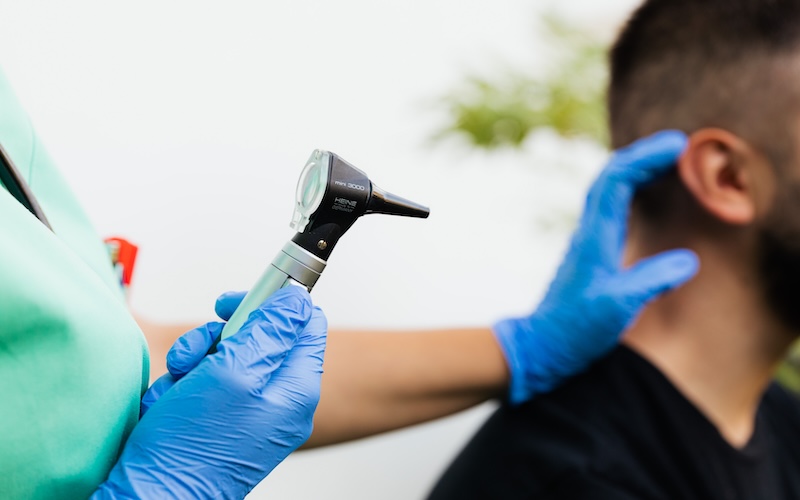
2. What Hearing Services Medicaid Cover Besides Hearing Tests?
A hearing test is often only the beginning. Depending on your age, state, and Medicaid plan, coverage may extend to additional hearing-related services.
Diagnostic hearing evaluations
If a screening suggests possible hearing loss, Medicaid may cover a more detailed evaluation to identify the type and severity of the hearing problem. For children, medically necessary diagnostic services are included under EPSDT.
Hearing aids and hearing aid fittings
Hearing-aid coverage varies significantly for adults. For children under 21, EPSDT requires coverage of medically necessary hearing treatment, including hearing aids when appropriate.
Follow-up appointments and hearing aid adjustments
People asking does Medicaid cover hearing tests should know that ongoing hearing care may be just as important.
Some Medicaid programs may cover follow-up hearing evaluations, hearing-aid fittings, or adjustments when those services are included in the state’s benefit and meet applicable requirements.
Hearing aid batteries, repairs, or replacements
Certain state Medicaid programs may also cover hearing-aid maintenance, such as batteries, repairs, or replacement devices. These benefits are particularly dependent on state rules, medical necessity, and any applicable limits.
In other words, getting a covered hearing test does not automatically mean every related hearing service will also be covered. Check your state’s benefit rules before assuming the next step is covered.
>>> Read more: Does Medicaid Cover Weight Loss Shots? State-By-State Guide 2026
3. How to Get a Medicaid-Covered Hearing Test
If does Medicaid cover hearing tests is one of your concerns, checking your coverage before the appointment can help you avoid an unexpected bill.
Step 1. Confirm that your Medicaid coverage is active
Check your state Medicaid portal, member handbook, or health plan information.
Step 2. Check the hearing benefits
Look for information about hearing tests, audiology, diagnostic evaluations, or hearing services. Confirm whether your age group is covered and whether limits apply.
Step 3. Check for a referral or prior authorization
The answer to does Medicaid cover hearing tests may depend on your Medicaid plan. Some Medicaid plans may require a referral or prior authorization before you see an audiologist. Confirm this before scheduling.
Step 4. Find a participating provider
Use your Medicaid or managed care plan’s provider directory to find an audiologist or hearing clinic that accepts your specific coverage.
Step 5. Confirm everything before the appointment
Ask the provider whether the planned hearing test is covered and whether any authorization has been completed. Bring your Medicaid ID card and referral or medical records if required.
A few minutes of checking beforehand can save you from finding out after the appointment that the test or provider wasn’t covered.
4. What If Medicaid Doesn’t Fully Cover Your Hearing Test?
Even when Medicaid covers hearing tests, you may encounter limits based on your state, plan, provider, or the type of service you need.
If you are told a hearing test isn’t covered, don’t immediately assume you have to pay the full price.
First, ask why the service was denied and whether a referral, prior authorization, different provider, or another covered service could apply.
If you still need to pay out of pocket, you can consider:
- Lower-cost testing: Ask local hearing clinics whether they offer reduced self-pay rates.
- A participating provider: Confirm that the provider accepts your specific Medicaid plan.
- Financial assistance: Look for local nonprofits or hearing-assistance organizations that may offer support.
- Payment plans: Ask the clinic whether it offers a payment arrangement for an uncovered balance.
The right option depends on why the service wasn’t covered in the first place, so clarifying the coverage decision should come before reaching for your wallet.
>>> Read more: Does Medicaid Cover Couples Therapy? Coverage Facts In 2026
6. Good Communication Starts Before You Walk Into the Clinic
Hearing care doesn’t end when you leave the exam room. You may need to follow up about test results, or keep track of Medicaid notices and renewals. Reliable phone service can make those small but important tasks easier to manage.
If you qualify for Medicaid, you may also be eligible for the Federal Lifeline program, which helps reduce the cost of monthly wireless service for eligible households.
But that’s not all. Medicaid is one qualifying pathway; household income or participation in programs such as SNAP, SSI, Federal Public Housing Assistance, etc., can provide other ways to qualify.
Many people receive this benefit through participating providers such as Cintex Wireless, known for offering an easy enrollment experience and, depending on eligibility and availability, a free or discounted smartphone along with a Lifeline-supported service plan.
The carrier also announced to have merged into AirTalk Wireless, allowing eligible applicants to explore further available service options and a broader range of device options.
Whether you’re confirming your hearing test, speaking with your audiologist, or keeping up with Medicaid notices, dependable phone service helps you stay connected when it matters most.
Note: Eligibility varies by state and program. Offers depend on availability and qualifications. AirTalk Wireless and Cintex Wireless operate under the federal Lifeline Program as Eligible Telecommunications Carriers (ETCs). Service is non-transferable and limited to one service per household.
6. FAQs
How often can you get a hearing test with Medicaid?
The frequency depends on your state’s Medicaid rules. Children often receive regular screenings, while adults usually qualify when a hearing evaluation is medically necessary.
Do you need a referral for a hearing test?
Some Medicaid plans require a referral from a primary care provider before seeing an audiologist, while others allow direct scheduling. Check your specific plan before making an appointment.
Are hearing aids covered after a hearing evaluation?
Possibly. For children under 21, Medicaid’s EPSDT benefit includes medically necessary hearing treatment, including hearing aids when appropriate. For adults, hearing-aid coverage depends on the state Medicaid program and may have eligibility or coverage limits.
Can you see an audiologist with Medicaid?
Yes, as long as the audiologist participates in your state’s Medicaid network and any referral or authorization requirements have been met.
Conclusion
If you’re asking does Medicaid cover hearing tests, the answer is often yes, but coverage depends on your age, medical needs, and your state’s Medicaid program.
Beyond hearing tests, Medicaid may also cover diagnostic evaluations, hearing aids, follow-up care, and certain hearing aid services.