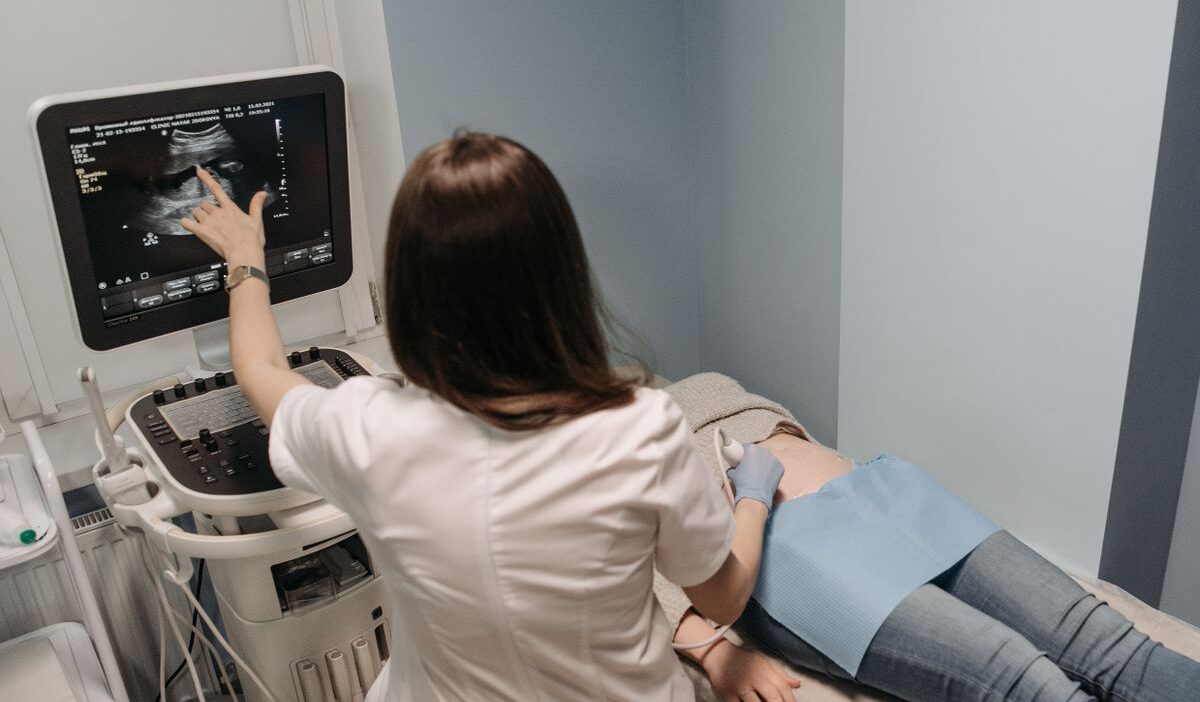
Does Medicaid cover hysterectomy? Yes, Medicaid may cover the surgery when it is medically necessary, but approval depends on the reason for treatment and your state’s coverage requirements.
Whether you’re considering surgery for fibroids, endometriosis, or another condition, it’s important to know what your plan may require. Find out which procedures may qualify and what to confirm with Medicaid before scheduling your surgery.
1. Does Medicaid Cover Hysterectomy?
Yes, Medicaid may cover a hysterectomy when it is medically necessary and meets your state’s coverage requirements.
For example, a doctor may recommend the surgery for severe bleeding, painful uterine fibroids, uterine prolapse, or certain cancers. It may also be an option for endometriosis when other treatments have not worked well enough.
However, having one of these conditions does not automatically mean Medicaid will pay for the surgery. Your plan may need to review your medical records and approve the procedure first.
Medical Necessity and Your Medicaid Plan’s Coverage Rules
To determine whether your hysterectomy qualifies, Medicaid may look at how your condition affects your health and why surgery is needed.
Your doctor may need to provide test results, explain your symptoms, or show which treatments you have already tried. If other treatments are not suitable for you, your doctor can explain why.
Since coverage rules vary by state and plan, ask your Medicaid provider what information is needed before scheduling surgery.
Why the Reason for Surgery Matters?
Another important rule concerns the purpose of the surgery.
Medicaid does not cover a hysterectomy performed solely to prevent pregnancy. Federal rules also prohibit payment when the surgery would not have been performed without the goal of sterilization.
However, a hysterectomy needed to treat a medical condition may still be covered, even though it permanently prevents pregnancy.
That is why your doctor must clearly document the medical reason for the procedure.
2. Does Medicaid Cover Partial Hysterectomy?
Yes, Medicaid may cover a partial hysterectomy when it is medically necessary and meets your plan’s requirements.
If you’re wondering does Medicaid cover a hysterectomy, it’s important to understand that coverage depends on why you need the surgery, not simply how much of the uterus is removed.
What a Partial Hysterectomy Removes?
A partial hysterectomy removes the upper part of the uterus but leaves the cervix in place. In comparison, a total hysterectomy removes both the uterus and cervix.
Because the cervix remains after a partial hysterectomy, you may still need regular cervical cancer screening.
Why Partial vs. Total Does Not Decide Coverage by Itself?
The type of hysterectomy alone does not determine whether Medicaid will cover it.
Instead, your Medicaid plan considers the medical reason for surgery and whether the procedure meets its coverage rules. Your doctor may also need to submit supporting records or request approval before the operation.
This means both partial and total hysterectomies may qualify for coverage, depending on your medical needs.
Does a Hysterectomy Always Include Ovary Removal?
No. A hysterectomy removes the uterus, but it does not always involve removing the ovaries.
Your surgeon may recommend keeping or removing one or both ovaries depending on your condition. Removing both ovaries before natural menopause causes surgical menopause.
Before surgery, ask your doctor which organs will be removed and how that may affect your health afterward.

3. What Paperwork and Approval May Medicaid Require?
Before scheduling surgery, check what your Medicaid plan requires. When asking does Medicaid cover hysterectomy, your medical records play an important role in showing why the procedure is necessary.
Your doctor may need to provide test results or explain why other treatments haven’t worked. Based on this information, your plan may require prior authorization, meaning approval before surgery. You should also confirm that your surgeon and hospital accept your Medicaid plan.
Beyond medical approval, Medicaid has a separate hysterectomy acknowledgment requirement. Federal rules generally require patients to be informed verbally and in writing that the surgery will permanently prevent pregnancy, then sign a form acknowledging this information.
This form is different from regular surgical consent. Certain exceptions apply, including some life-threatening emergencies, so your care team should confirm which paperwork is needed.
Finally, check whether related services, such as anesthesia and follow-up care, have separate coverage requirements. Before surgery, make sure all required documents and approvals are in place to avoid unexpected billing issues.
4. What If Medicaid Does Not Approve Your Hysterectomy?
If your Medicaid plan denies coverage, read the written notice to understand the reason and available appeal options. Your surgeon may be able to submit missing documentation or additional medical evidence supporting the need for surgery.
For Medicaid managed-care plans, you generally must complete a plan appeal before requesting a state fair hearing, unless an exception applies. Federal rules typically allow 60 calendar days from the date of the denial notice to file a managed-care appeal.
If delaying treatment could seriously affect your health, ask about expedited review. Follow the deadlines in your notice, since traditional Medicaid and managed-care procedures may differ.
5. Before and After Surgery, Keep Yourself Connected
Recovering from a hysterectomy often means staying in touch with your doctor after leaving the hospital. From follow-up appointments to changes in your recovery plan, having reliable phone service makes it easier to receive important updates.
However, keeping up with phone bills can be difficult when you’re already managing medical expenses. If you receive Medicaid, you may also qualify for Lifeline, a federal program that lowers the cost of phone or internet service.
Eligible households can receive up to $9.25 per month in standard support, or up to $34.25 on qualifying Tribal lands.
Even without Medicaid, you may qualify through SNAP, SSI, Federal Public Housing Assistance, or household income at or below 135% of the Federal Poverty Guidelines.
Once you know you may qualify, the next step is finding a provider that offers Lifeline service in your area. Cintex Wireless is one such provider, offering eligible customers a way to reduce monthly phone costs while staying connected to their healthcare team.
As Cintex Wireless merges with AirTalk Wireless, eligible customers can also explore available wireless plans and free or discounted phone options. These offers depend on location, eligibility, and current promotions.
If phone expenses are adding to your worries during recovery, check your ZIP code to see what Lifeline options are available. A more affordable connection can mean one less bill to think about while you focus on getting better.
IMPORTANT: The government does not subsidize devices. Lifeline programs cover basic service costs only. Free or discounted devices, upgrade plans, or top-ups are exclusive benefits provided by AirTalk Wireless and Cintex Wireless as part of the promotional offers. Terms and conditions apply. Limited-time promotion—offers vary by state, stock availability, and eligibility.
6. FAQs
Does Medicaid cover hysterectomy for fibroids?
Yes, Medicaid may cover a hysterectomy for fibroids when surgery is medically necessary. Approval depends on the severity of symptoms, supporting medical records, and your plan’s requirements. Having fibroids alone does not guarantee coverage.
Does Medicaid cover hysterectomy for endometriosis?
Medicaid may cover a hysterectomy for endometriosis when it is medically necessary and meets plan requirements. Surgery is not a guaranteed cure, however, because endometriosis can affect tissue outside the uterus.
Does a hysterectomy always remove the ovaries?
No. A hysterectomy removes the uterus, but the ovaries can remain. Your surgeon may recommend removing one or both ovaries depending on your condition. Removing both before natural menopause causes surgical menopause.
Conclusion
So, does Medicaid cover hysterectomy? In many cases, yes, provided the procedure is medically necessary and meets the applicable coverage requirements. A partial or total hysterectomy may qualify depending on the reason for surgery.
Before scheduling, check whether your Medicaid plan requires prior authorization. If coverage is denied, review your appeal options and ask your surgeon about additional documentation.