
An infusion appointment can bring questions about both treatment and cost. Hospital IV fluids, prescribed antibiotics, and wellness-clinic vitamin drips all involve an intravenous line, but insurance evaluates them differently. When researching does Medicaid cover IV therapy, understanding those differences helps you ask more useful questions before scheduling care.
This guide explains which treatments may qualify, what your Medicaid plan needs to review, and how the treatment location affects coverage. You will also learn how Medicare handles certain infusions and where to check a separate benefit that may reduce connectivity costs.
1. Does Medicaid Cover IV Therapy?
Yes, Medicaid may cover IV therapy when it is medically necessary and meets your state’s coverage requirements. However, IV therapy is a way of delivering treatment, not one standard Medicaid benefit.
For example, Medicaid may cover IV antibiotics for a serious infection or prescribed infusions for certain medical conditions. Elective vitamin drips marketed for energy, beauty, or hangover recovery are generally not covered.
If you’re asking, “Is IV therapy covered by Medicaid?” the answer depends on the specific treatment, why you need it, and where it will be administered.
Before scheduling, ask your Medicaid plan whether the prescribed infusion and its administration are covered.
2. Which IV Treatments May Medicaid Cover?
Coverage depends on the medical purpose of the infusion and the Medicaid benefits available in your state.
The table below shows five types of IV treatment that may qualify. These are examples, not guaranteed benefits, so confirm the specific drug and administration requirements with your plan.
| IV treatment | Possible medical purpose | Coverage detail to confirm |
| IV fluids | Treat dehydration or replace fluids when clinically necessary | Whether the condition and setting meet coverage rules |
| IV antibiotics | Treat an infection requiring intravenous medication | Approved drug, duration, and administration arrangements |
| Chemotherapy and other infused medications | Treat cancer or another diagnosed condition | Drug-specific criteria and authorization |
| IV iron | Treat iron deficiency when clinically appropriate | Required laboratory results and oral-treatment history |
| Parenteral nutrition | Provide nutrients when the digestive tract cannot meet nutritional needs | Clinical criteria, supplies, and monitoring |
What Type of Therapy Does Medicaid Cover?
Beyond IV treatment, Medicaid may cover medically necessary therapies such as physical therapy, occupational therapy, and speech-language therapy, depending on the beneficiary’s age and state coverage rules.
For children under 21, Medicaid’s Early and Periodic Screening, Diagnostic, and Treatment (EPSDT) benefit provides broader access to medically necessary services within federal Medicaid-coverable categories.
For any type of therapy, ask your plan about the specific treatment rather than assuming all services are covered under the same rules.

3. What Determines Whether Medicaid Will Pay?
Even when your doctor recommends an infusion, Medicaid may need to review several details before approving payment.
- Medical necessity: Your provider should document the condition being treated and why IV therapy is appropriate. Some treatments require laboratory results or evidence that other options were unsuccessful.
- Medication and authorization: Your plan may have requirements for the prescribed drug, including prior authorization. Approval for the medication does not automatically cover every administration or facility charge.
- Provider and treatment location: A clinic may accept Medicaid without participating in your specific managed care plan. Confirm that the infusion provider is in network and that the treatment setting is covered.
Home infusions may require additional arrangements for nursing services, equipment, or medical supplies.
Finally, the treatment’s purpose matters. A medically necessary nutrient infusion may qualify under applicable rules, while an elective wellness drip generally will not.
Ask your provider to verify the complete treatment arrangement before your first appointment.
>>> Read More: Medicaid Annuity: How It Works for Long-Term Care Eligibility
4. How Can You Confirm Coverage Before Starting IV Therapy?
Turn the question does Medicaid cover IV therapy into a treatment-specific coverage check. Your provider can supply the clinical and billing details; your plan can explain how its rules apply.
Before scheduling:
- Get the treatment details: medication name, prescribed schedule, and relevant billing codes.
- Contact your plan: confirm coverage, provider participation, treatment location, and authorization requirements.
- Check the approval’s scope: establish whether it covers the full course or particular visits, doses, or dates.
- Review separate charges: ask about medication, administration, supplies, laboratory monitoring, and facility services.
- Clarify potential costs: check applicable copayments and request a written estimate for noncovered services.
If coverage is denied, review the written reason with your provider. Additional documentation, a covered alternative, or an appeal may be appropriate; follow the notice’s deadlines.
Keep the authorization number and written coverage information. Authorization is not an unconditional payment guarantee: eligibility, approved dates, billing accuracy, and other requirements still matter.
5. Does Medicare Cover IV Treatment?
Yes. Medicare covers certain medically necessary IV treatments, but the applicable benefit depends on where you receive care and which medication is prescribed.
- Part A: IV treatment included in a covered inpatient hospital stay.
- Part B: Certain outpatient infused medications, administration services, and qualifying home infusion equipment
- Part C (Medicare Advantage): Medicare Part A and Part B benefits through a private plan, subject to applicable plan rules
- Part D: Certain prescription infusion drugs that are not covered under Part B
What About IV Therapy at Home?
Home infusion coverage can be more complicated because the medication, equipment, and nursing services may fall under different benefits.
For certain eligible treatments, Medicare Part B covers infusion pumps and supplies used at home. It may also cover related professional services such as nursing visits or patient training.
However, not every prescribed IV medication qualifies under Part B. Some medications may be covered through Part D instead.
If you have both Medicare and Medicaid, Medicare generally pays first for Medicare-covered services. Medicaid may help with remaining covered costs depending on your eligibility and state rules.
Before treatment, ask your provider which Medicare benefit will be billed and whether any charges will remain your responsibility.
6. Between Infusion Appointments, Staying Reachable Matters
IV treatment means staying in touch with your care team between visits, and a strained phone bill can make that harder. If cost is a worry, a federal assistance program may help.
Lifeline helps eligible households afford phone service or internet service. It provides up to $9.25 per month toward qualifying internet or bundled service, and phone-only service may receive a lower amount. Eligible households on qualifying Tribal lands may receive up to $34.25 per month.
Medicaid is one way to qualify. SNAP, SSI, or household income at or below 135% of the Federal Poverty Guidelines can also work. The benefit is limited to one per household and can’t be transferred.
Cintex Wireless helps eligible customers access Lifeline-supported mobile service, and it is merging into AirTalk Wireless, a participating Eligible Telecommunications Carrier (ETC).
Verification and enrollment are separate steps, so qualifying households enroll with a participating ETC to receive discounted service. The merger is meant to bring more phone choices and a smoother sign-up.
Through AirTalk Wireless, you can review available plans and phones and complete an online application with any required eligibility documents. Medicaid enrollment alone does not complete the application or guarantee approval.
Depending on your location and plan, options may include talk, text, data, and eligible device offers. Phones, prices, and features vary by inventory and offer terms, and a particular device is not guaranteed.
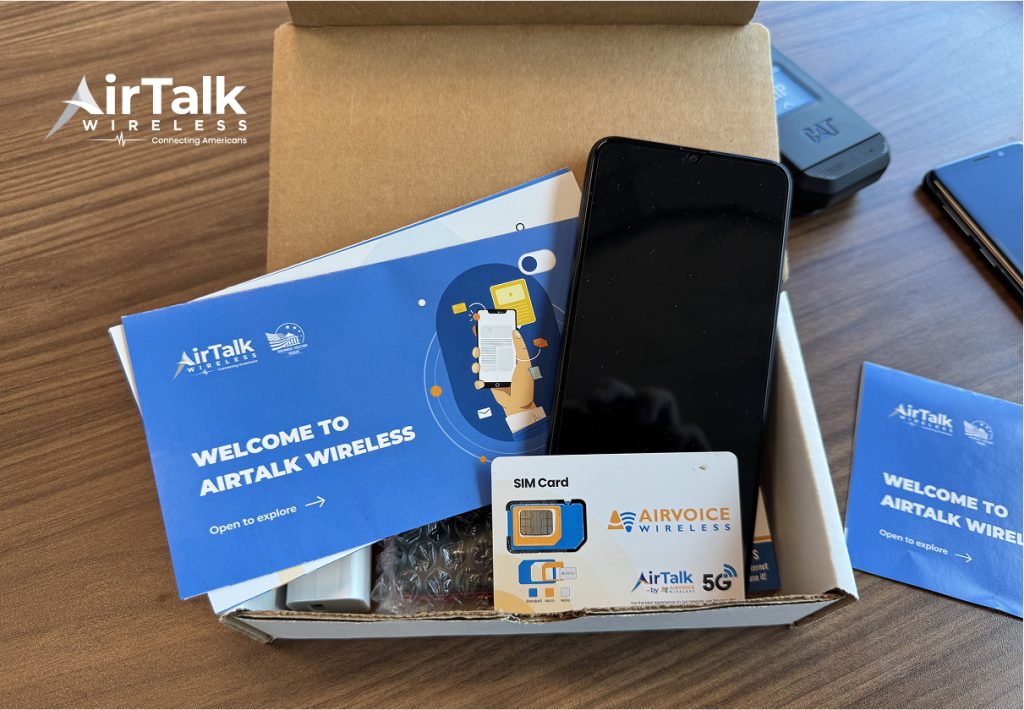
IMPORTANT: The government does not subsidize devices. Lifeline programs cover basic service costs only. Free or discounted devices, upgrade plans, or top-ups are exclusive benefits provided by AirTalk Wireless and Cintex Wireless as part of the promotional offers. Terms and conditions apply. Limited-time promotion—offers vary by state, stock availability, and eligibility.
Conclusion
The answer to does Medicaid cover IV therapy depends on the medical purpose and your plan’s requirements.
Confirm the medication, provider, location, authorization, and possible charges before treatment. Keep written coverage details so you and your care team can address any payment questions promptly.