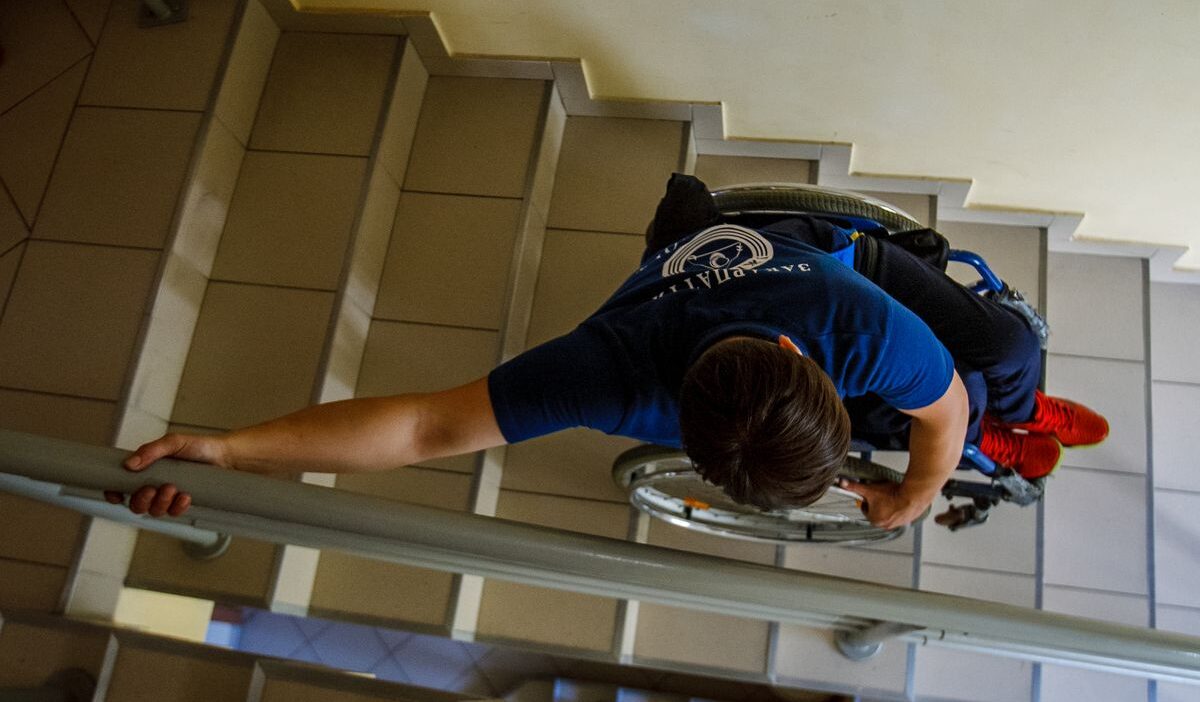
Does Medicaid cover stair lifts? There is no single answer for every state or Medicaid program.
Some programs may cover a stair lift through home and community-based services, while others may treat certain stair lifts or stair glides as medical equipment. Coverage can also depend on your functional needs, the specific benefit available to you, and whether prior authorization is required.
Keep reading to learn how Medicaid may cover stair lifts, what you need to qualify, and what to do if your request is denied.
1. Does Medicaid Cover Stair Lifts?
For people asking does Medicaid cover stair lifts, there is no single nationwide answer. Medicaid coverage varies by state and by the specific benefit or program involved.
Some states may cover stair lifts through Home and Community-Based Services (HCBS) as a home accessibility or environmental modification, while others may cover certain stair lifts or stair glides through a medical equipment benefit.
The type of Medicaid coverage you have, your functional needs, the equipment being requested, and your state’s authorization rules can all affect the decision. A doctor’s recommendation may support the request, but it does not guarantee coverage.
Medicaid allows states to offer HCBS through different program authorities, and the services available depend on the specific state program. Before purchasing or installing a stair lift, confirm with your Medicaid plan or state agency whether the equipment is a covered benefit under your program.
2. When May Medicaid Help Pay for a Stair Lift?
The answer to “does Medicaid cover stair lifts” depends partly on how your state’s Medicaid program classifies the equipment.
A stair lift may be covered through an HCBS home accessibility or environmental modification benefit in some programs, while another state may treat certain stair lifts or stair glides as medical equipment.
The stair lift falls under a covered benefit
Ask whether your Medicaid program specifically covers stair lifts, stair glides, or similar accessibility equipment. Coverage limits, installation requirements, spending caps, and approved-provider rules can vary by state and program.
The applicant has a documented functional need
Your records should explain why using the stairs is difficult or unsafe and how that limitation affects daily activities. Depending on the program, you may need a functional assessment, clinical documentation, or a professional recommendation. A doctor’s letter can support the request but does not guarantee payment.
The applicant qualifies for the applicable Medicaid program
Having Medicaid does not automatically mean every Medicaid benefit is available to you. Some HCBS programs have additional functional, enrollment, or care-level requirements. Confirm which Medicaid program you have before requesting a stair lift.
The equipment supports safe access at home
The request should explain what problem the stair lift would address, such as allowing you to safely reach an essential bedroom or bathroom. Your program may also consider whether another covered adaptation could meet the same need.
Prior authorization is obtained when required
Some programs require approval before equipment is purchased or installed. Ask whether prior authorization applies, who submits the request, whether the installer must be approved, and which costs are included. Equipment, installation, electrical work, maintenance, and repairs may be subject to different coverage rules.
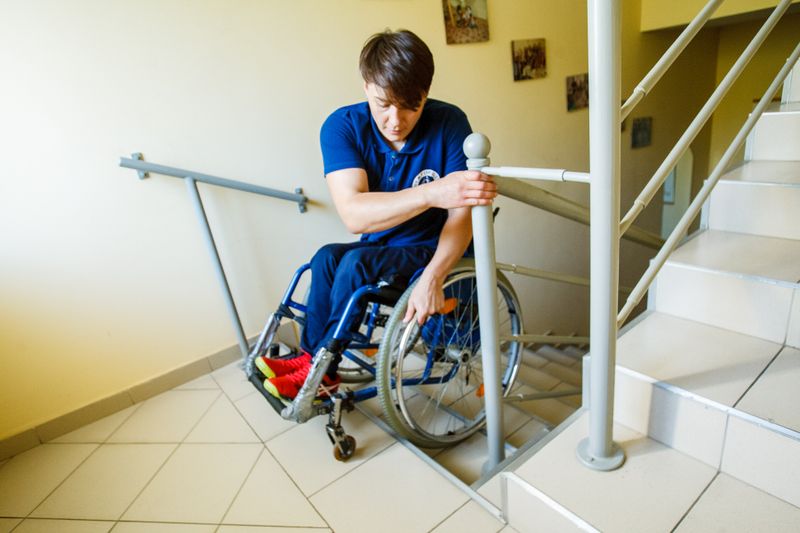
3. How to Get Medicaid Help with a Stair Lift?
To find out does Medicaid cover stair lifts under your specific program, start by calling your Medicaid plan, state Medicaid agency, or HCBS care coordinator. Keep the program name and each instruction you receive in one place; you may need them when following up on an assessment or authorization.
- Confirm your program’s coverage
Ask whether your program covers stair lifts through an HCBS accessibility benefit, medical equipment benefit, or another category. Confirm any spending limits, provider requirements, and authorization rules.
- Gather the required documentation
You may need medical records, a functional or home assessment, a description of how the stairs affect daily activities, and an itemized estimate from an approved provider or installer.
- Submit the request before purchasing
Confirm who is responsible for submitting the request and keep copies of your application and supporting documents. If prior authorization is required, wait for written approval before purchasing or installing the stair lift.
>>> Read More: Does Medicaid Cover Plastic Surgery? Essential Coverage Explained
4. What If Medicaid Denies Your Stair Lift Request?
A denial does not always mean the same thing. The request might fall outside the benefit, lack a required assessment, name an unapproved installer, or fail to explain why the adaptation is needed. Read the notice before deciding what to do next.
Identify the reason for denial
Read the notice carefully and determine whether the reason for denial involves eligibility, documentation, the equipment itself, or another program requirement. If information is missing, ask your care coordinator or provider what needs to be submitted.
Request a review or appeal
If you disagree with the decision, follow the review or appeal instructions and deadline in your notice. Keep copies of the denial, assessments, estimates, and documents you submit.
Ask about other options
If a stair lift is not covered, ask whether another home modification could address the same safety concern. You can also check with local aging or disability organizations about other assistance programs, but confirm eligibility before committing to any purchase.
5. Keep Your Home-Modification Request Moving
Whether Medicaid covers a stair lift usually comes down to medical necessity and the specific home modification or waiver program your state offers, so it’s not something that’s automatically included with standard coverage.
While you’re looking into that, it’s worth knowing about a separate benefit called the Federal Lifeline Program, which lowers what you pay each month for phone or internet service, up to $9.25 a month, or $34.25 for households on Tribal lands.
Eligibility comes down to income level and participation in certain assistance programs, and Medicaid happens to fit those criteria perfectly. If you’re already approved for Medicaid, there’s a strong chance you qualify for Lifeline too.
No Medicaid? The income threshold alone can qualify you, and so can SSI, SNAP, or Section 8. Just one discount per household, and it isn’t transferable.
Lifeline funds the savings, but getting it applied to actual service means signing up through an approved carrier.
Cintex Wireless fills that role, and since merging into AirTalk Wireless, it now offers a free or discounted device alongside the standard discount, plus a wider selection of phones to choose from.
Once approved, you get:
- A free or discounted phone or tablet
- Monthly data with talk and text included
- International calling
- No contracts, credit checks, or activation fees
IMPORTANT: The government does not subsidize devices. Lifeline programs cover basic service costs only. Free or discounted devices, upgrade plans, or top-ups are exclusive benefits provided by AirTalk Wireless and Cintex Wireless as part of the promotional offers. Terms and conditions apply. Limited-time promotion offers vary by state, stock availability, and eligibility.
6. FAQs About Medicaid and Stair Lifts
Does Medicare Cover Stair Lifts?
Original Medicare generally does not cover stair lifts installed in the home. If you also have Medicaid, check whether your state Medicaid program or an applicable HCBS benefit covers the equipment.
Can Medicaid Pay for a Stair Lift in a Rental Home?
Possibly, if your program covers the modification and your landlord permits installation. Get Medicaid’s written approval before any work begins.
Will Medicaid Pay to Repair or Replace an Existing Stair Lift?
Some programs may cover repairs or replacement, but rules vary. Ask what documentation and approval your program requires before arranging the work.
Conclusion
Does Medicaid cover stair lifts depends on the program and the applicant’s circumstances. Stair lifts are usually not a standard benefit, but an applicable HCBS program may help when the lift is approved as a necessary home modification.
Confirm your program’s rules, document how the stairs affect daily living, and obtain a written decision before installation. If the request is denied, review the reason to decide whether to provide more evidence, appeal, or consider another adaptation.