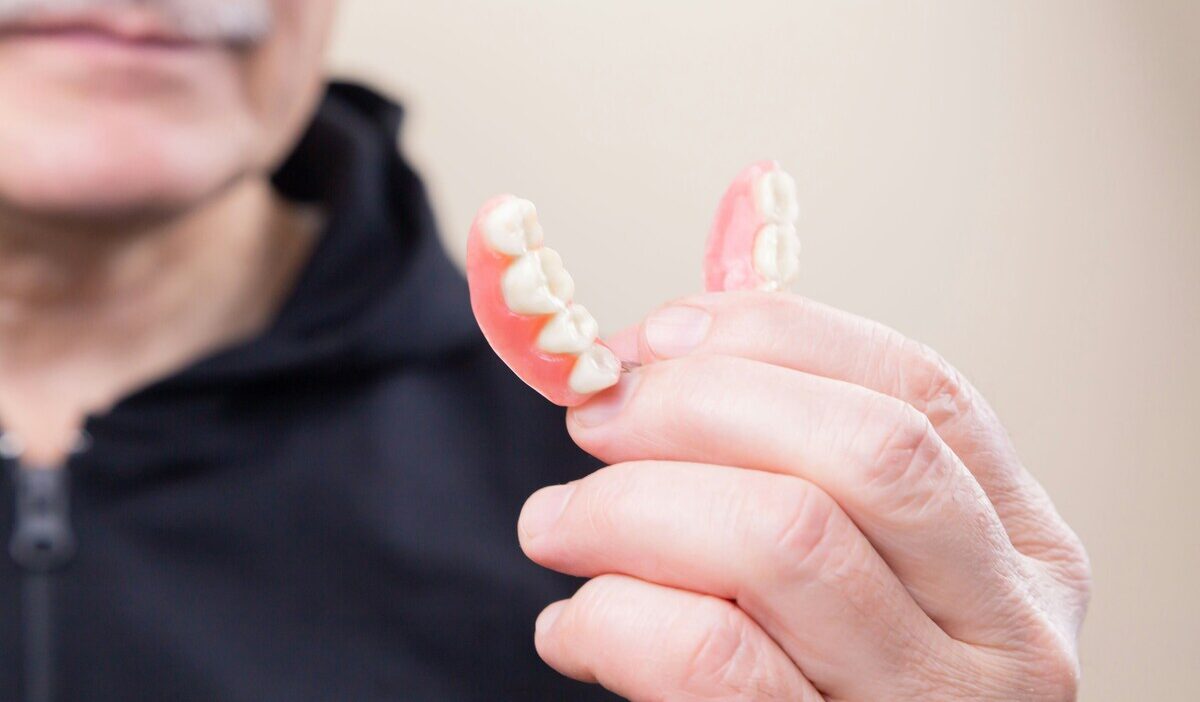
Do adults need new teeth but have a very tight budget? Finding free dentures for low-income adults can help you eat comfortably and smile with confidence again. Private dental care is too expensive for many families. These dentures may be offered at low or no cost through charities, dental schools, or state-supported programs like Medicaid (depending on eligibility and location).
You can qualify based on your income, age, or health status. Read our guide below to find the best path for your needs.
1. Can You Really Get Free Dentures for Low-Income Adults?
Yes, you can get free dentures for low-income adults, but these opportunities are usually limited to specific situations. Most programs focus on providing low-cost or subsidized care rather than entirely free sets of teeth.
Today, the demand for affordable dental care is high, so you must know where to look to find help.
Free dentures for low-income adults are typically available through:
- Charity-based programs: Groups like the Dental Lifeline Network offer care through volunteers.
- Need-based assistance: Priority often goes to seniors, people with disabilities, or those with serious medical conditions.
- Limited events: Temporary clinics, such as Mission of Mercy, provide immediate help for a few days at a time.
You should keep in mind that “free” options are often restricted and have long waitlists. Many people find that low-cost alternatives, like dental schools, are a more realistic way to get dentures quickly.
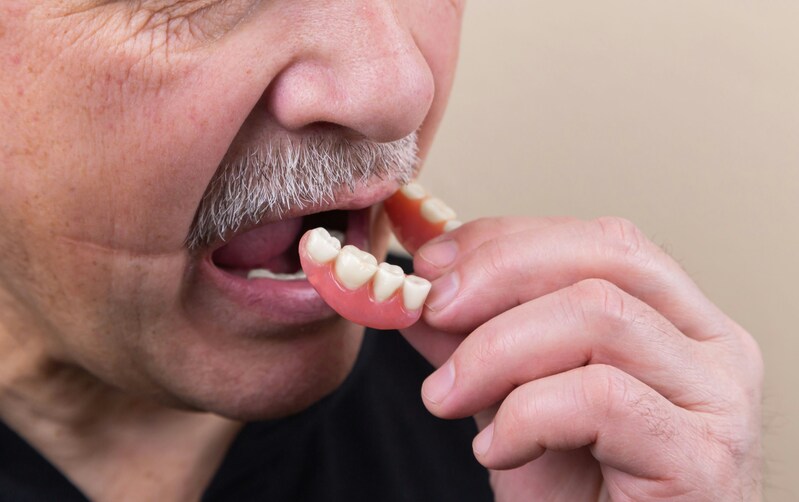
>> Read more: Free iPhone For Seniors: Things Most People Don’t Know About
2. The 4 Best Ways to Get Free or Low-Cost Dentures
Losing teeth can be both physically painful and emotionally distressing. At the same time, private dental treatment is often too costly for many adults to afford. To help you find a solution, there are four most common ways people get dentures when they have a limited budget. These paths range from using state benefits to visiting dental students.
2.1. Medicaid and Government Dental Coverage
Medicaid is often the first place people look for free dentures for low-income adults. Every state has different rules for what it will pay for. Today, many states have expanded their coverage, but some still only offer help for dental emergencies.
- Best for: Adults with very low income or those who receive SSI.
- Requirements: You usually must prove a “medical necessity.” This means you need dentures to eat properly or to treat a serious health issue.
- Limitation: Coverage varies significantly by state. For example, New York and North Carolina offer extensive dental help, but other states may only cover one set of dentures every eight years.
2.2. Nonprofit Programs and Donated Dental Services
The Dental Lifeline Network (DDS) is a major nonprofit that helps people who cannot afford a dentist. They use a network of volunteer doctors to provide care at no cost.
- Best for: Seniors over 65, people with permanent disabilities, or those with fragile health.
- Process: You apply through your local DDS chapter. A volunteer dentist then provides the care in their own office.
- Limitation: These programs have very long waitlists. Today, you may wait between one and two years before a doctor can see you.
2.3. Free Dental Clinics and Community Health Centers
If you have an urgent need, community events like Mission of Mercy are excellent options. These are large-scale events where hundreds of dental professionals provide free care for a few days.
- Best for: Urgent relief and people who can wait in line for immediate help.
- Schedule: Clinics are planned for Florida (May), Michigan (June), and Pennsylvania (May).
- Limitation: These events work on a first-come, first-served basis. Doors often open at 6:00 a.m., and lines can be very long.
Note: Event schedules vary by state and year. Check official Mission of Mercy listings for current dates.
2.4. Dental Schools (Best Low-Cost Alternative)
Dental schools are often the most realistic option for most people. Students provide the care under the close supervision of licensed dental professors.
- Best for: People who do not qualify for “free” charity programs but still need to save money.
- Cost: Fees at schools like Penn Dental or Tufts are usually 50% to 70% lower than at private offices.
- Key insight: While the work is high-quality, appointments take longer because the professors must check every step of the student’s work.
3. Which Path Should You Choose?
You should pick your path based on your health needs and how quickly you need your new teeth:
- If you have a medical emergency: Look for a Free Dental Clinic or a Mission of Mercy event in your state for immediate help.
- Senior or disabled: Apply for Donated Dental Services immediately. The wait is long, so it is better to get your name on the list now.
- If you want the fastest results at a fair price: Contact a Dental School. You will pay a small fee, but you can often finish your treatment months faster than at a charity.
- For Medicaid recipients: Call your local benefits office first to see if dentures are a covered benefit in your specific state this year.
Note: Choosing the right dental path today can save you months of waiting for your new smile.
4. How Can I Get Dentures If I Have No Money?
Because most “free” programs today have long waitlists or strict rules, seniors should follow these steps to get free dentures for low-income adults
Step 1: Check Your Eligibility
Most programs for free dentures for low-income adults look for specific qualifications. Before you apply, confirm if you meet one of these common criteria:
- Income: Your household earnings must fall below a certain limit (often 100% to 200% of the Federal Poverty Level).
- Age: Many charities prioritize seniors aged 65 and older.
- Disability: You may qualify if you receive SSI or SSDI for a permanent disability.
- Medical Need: Some programs help if a doctor confirms you need teeth to treat a serious illness.
Step 2: Identify Your Best Pathway
Choose the option that fits your current situation. For example, if you are a veteran or have a chronic illness, the Dental Lifeline Network is a strong choice. If you are a healthy adult with a limited budget, studying at dental school is often a faster and more cost-effective path.
Step 3: Apply to Multiple Programs at Once
Do not wait for one program to answer before starting the next. Please apply simultaneously to your state’s Medicaid program, local dental schools, and nonprofit waitlists. This “pipeline” strategy ensures that if one path is closed, you already have other options in progress.
Step 4: Prepare Required Documents
Having your paperwork ready prevents delays. Most providers will ask for:
- Photo ID: A valid state ID or driver’s license.
- Income Verification: Recent pay stubs, tax returns, or Social Security award letters.
- Medical Records: A letter from your doctor if you need dentures for health reasons.
- Insurance Denial: Some charities require a letter showing that Medicaid or your private insurance will not pay for the dentures.
Key Insight: The fastest results come from combining multiple options. By applying broadly and having your documents ready, you can reduce your total wait time by months.
5. Extra Benefits That Help Low-Income Adults Save More
If you qualify for free dentures for low-income adults, you may likely meet the requirements for other support programs. These services lower your daily expenses, giving you more flexibility to pay for specialized healthcare needs. Many households “stack” these benefits in 2026 to stay financially stable.
Programs that can lower your living costs include:
- Low-Income Apartments: Use Section 8 vouchers or HUD public housing to cap your rent at 30% of your income, freeing up cash for dental co-pays.
- Medicaid: Covers doctor visits and, in many states, the exams needed before getting dentures.
- SNAP: Provides monthly funds on an EBT card for groceries.
- SSI / Disability: Offers monthly cash support for seniors and adults with permanent disabilities.
- WIC: Supplies nutrition support for pregnant women and children under five.
- Lifeline Program: Reduces the cost of essential communication services and get free smartphone with $0 telecommunication services through trusted providers.
Example with Lifeline Program Benefits
The Lifeline program is a government assistance program that provides a monthly discount on phone service or internet service to eligible households.
The service cannot be transferred and is limited to one discount per household.
It is provided by authorized carriers like Cintex Wireless, both recognized as Eligible Telecommunications Carriers (ETCs).
Through choosing ETCs like Cintex, the eligible individuals can receive:
- Free monthly talk and text: No more worrying about a phone bill while waiting for clinic updates.
- Generous data: Use 16GB to 30GB of 5G data to research local dental schools or check Medicaid status.
- A free smartphone: You may receive a free 5G smartphone and discounted upgrades to stay connected with your healthcare team, depending on the carrier stock and the time of application.
One notable reason many people choose Cintex is its ongoing effort to improve service and customer experience. Currently, Cintex is merging with AirTalk Wireless, another established Eligible Telecommunications Carrier (ETC). This transition is expected to bring a more seamless experience, along with a wider selection of devices for eligible participants.
This free service ensures you never miss an appointment update or a call from your dentist.

>>> Read more: Top 10+ Free Phone Lifeline: Claim One at $0
6. FAQs
Q1. What If You Don’t Qualify for Free Dentures?
If you do not meet the strict rules for charity care, you should visit a Federally Qualified Health Center (FQHC). These clinics use a sliding fee scale based on your income. You might pay a little per arch for dentures instead of the full price. Fees are based on a sliding scale and vary by clinic.
Q2. Can you get false teeth for free?
Yes, but only through specific programs like Medicaid (in supportive states) or the Dental Lifeline Network. These options usually require you to be a senior, have a permanent disability, or face a medical emergency. Always apply to multiple sources to improve your chances.
Final Words
Finding free dentures for low-income adults takes time, but progress comes from taking the right steps early. Applying to multiple programs increases your chances, and those chances turn waiting into movement.
That movement matters because every step brings you closer to real care. And with persistence, what once felt out of reach becomes possible.
In the end, free dentures for low-income adults are not just about cost, they are about restoring comfort, confidence, and the ability to smile again.