
If you are wondering how long does Medicaid pay for long-term care, the answer does not revolve around a 100-day countdown. That number belongs to a different Medicare benefit. Medicaid coverage depends instead on continued eligibility, the care required, and where services are delivered.
Understanding these distinctions can help you prepare for ongoing expenses, avoid preventable coverage gaps, and recognize which personal bills remain outside the nursing facility benefit.
1. How Long Does Medicaid Pay for Long-Term Care?
Medicaid nursing facility coverage has no universal fixed time limit. Payments may continue while someone meets applicable financial and medical requirements and receives covered services at a Medicaid-certified facility. Different rules apply to Medicare and community care.
Why the 100-Day Rule Belongs to Medicare?
Under Medicare’s skilled nursing facility rules, Part A covers qualifying skilled care for up to 100 days per benefit period. Coverage can end sooner if requirements are no longer met. This short-term benefit does not provide indefinite coverage for ongoing assistance with everyday activities.
When Medicaid Can Continue Paying?
After Medicare coverage ends, Medicaid may cover qualifying long-term nursing facility care once eligibility and payment arrangements are established. Enrollment is not automatic.
Home and community-based services follow separate state rules, assessments, and authorized care plans; some waivers also have enrollment caps or waiting lists. Continued eligibility and care setting matter more than elapsed days.
2. How Long Do Most People Stay in Long-Term Care?
Care needs change with mobility, memory, chronic illness, and available family support. Some people need temporary help; others require assistance for years.
| Type of care | ACL’s published average duration |
| Any long-term care services | 3 years |
| Any care at home | 2 years |
| Nursing facility care | 1 year |
These figures are estimates of long-term care use, not guaranteed lengths of stay. Someone may need care at home before entering a nursing facility, while others may require institutional care for several years.
The averages do not determine how long does Medicaid pay for long-term care.

3. Who Pays for Most of the Long-Term Nursing Home Care?
Medicaid is the primary payer for long-term nursing facility care for many Americans. According to KFF, more than six in ten nursing facility residents relied primarily on Medicaid in 2024.
Medicare generally pays for qualifying short-term skilled care, while personal savings and long-term care insurance may cover expenses before or alongside Medicaid eligibility.
| Payment source | Role in long-term care | Main limitation |
| Medicaid | Covers qualifying nursing facility care | Financial and medical eligibility; participating facility required |
| Medicare | Covers qualifying short-term skilled care | Generally excludes ongoing custodial care |
| Private payment | Uses income and savings | Expenses can exhaust available funds |
| Long-term care insurance | Pays benefits specified by the policy | Waiting periods, exclusions, and benefit caps may apply |
Residents generally contribute available income toward care after permitted deductions. A personal needs allowance preserves some spending money; applicable spouse protections may reserve income and resources for a spouse living in the community. Amounts depend on relevant rules.
Covered nursing services, meals, and routine supplies differ from optional purchases. Telephone service, extra grooming, and other personal items may remain separate expenses.
>>> Read more: How Often Will Medicaid Pay for a Wheelchair? Essential Coverage Guide
4. What Is the Maximum Income for Seniors to Qualify for Medicaid?
There is no single nationwide income limit for seniors applying for Medicaid long-term care benefits.
In 2026, many states use a monthly income limit of $2,982 for an individual under certain institutional Medicaid eligibility pathways. However, other states and programs follow different financial rules.
Income Limits Are Only Part of Eligibility
Income is only part of eligibility. States may also consider countable assets, residency, and whether the applicant meets nursing facility level-of-care requirements. Married applicants may qualify for additional spousal protections.
Check your state’s for how long does Medicaid pay for long-term care limits before making financial decisions
What if Income Exceeds the State’s Limit?
Depending on the state and eligibility pathway, a medically needy spend-down or a Qualified Income Trust may be available.
These approaches have different requirements and do not eliminate every other eligibility condition. Request state-specific guidance before establishing a trust or changing financial arrangements.

5. What Can Interrupt Medicaid Long-Term Care Payments?
A benefit without a universal day limit can still experience interruptions. Missed renewal requests, missing documentation, or changes in financial or care eligibility may affect payment.
Giving away assets or transferring them for less than fair market value may also affect eligibility. A 60-month look-back generally applies to certain nursing facility and HCBS waiver benefits, with exceptions.
Such transfers can delay coverage for affected long-term care services, so seek qualified guidance before changing ownership of property or savings.
Moving facilities, returning home, or relocating to another state requires advance coordination. Confirm the receiving provider’s participation, required assessments or authorizations, and coverage dates. Medicaid does not simply carry unchanged across state lines.
Review notices immediately, retain submitted documents, and follow appeal instructions before deadlines. Ask whether timely action can preserve benefits during an appeal. Understanding how long does Medicaid pay for long-term care includes protecting eligibility through these administrative changes.
6. The Nursing Home Bill May Be Covered, Your Phone Bill Is a Separate Expense
A resident’s Medicaid may cover the nursing facility, but a personal phone bill is usually a separate cost that the household keeps paying. That line is how a resident hears from family and stays in contact with a care coordinator or the benefits office, so it is worth planning for on its own.
Lifeline is a government assistance program, and it provides the discount that brings the cost of communication down. Here are the points worth knowing:
- The discount: Up to $9.25 per month toward eligible broadband or bundled service, and up to $34.25 on qualifying Tribal lands.
- Who qualifies: Households with income at or below 135% of the Federal Poverty Guidelines, or participation in a qualifying program such as Medicaid.
- Limits: One benefit per household, and it cannot be transferred.
For a resident, the household question needs care. Neighbors who share a facility address are not automatically one household, because shared income and expenses determine that, and a household worksheet may be requested.
The program provides the discount, but an Eligible Telecommunications Carrier (ETC) is the approved provider that delivers the service and applies it to your plan.
Cintex Wireless is an ETC that also offers free or discounted phones, so a resident can leave with a working device and not only a plan. Its announced merger into AirTalk Wireless, another ETC, is meant to bring more device choices under one brand.
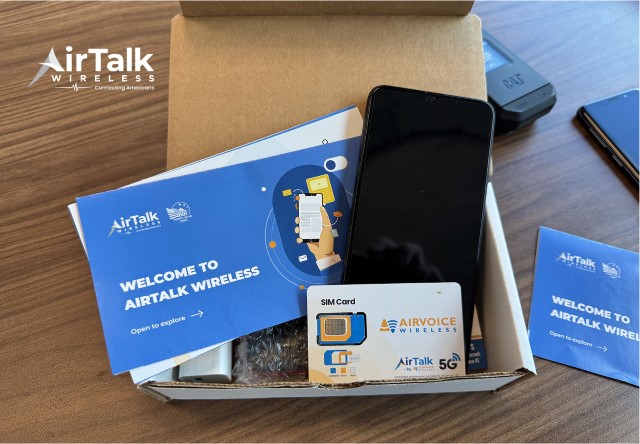
Available options may include talk, text, data, devices, or compatible bring-your-own-device service. Eligibility, location, coverage, and inventory affect availability.
IMPORTANT: The government does not subsidize devices. Lifeline programs cover basic service costs only. Free or discounted devices, upgrade plans, or top-ups are exclusive benefits provided by AirTalk Wireless and Cintex Wireless as part of the promotional offers. Terms and conditions apply. Limited-time promotion—offers vary by state, stock availability, and eligibility.
Conclusion
Understanding how long does Medicaid pay for long-term care starts with separating Medicaid eligibility from Medicare’s 100-day skilled-care limit. Coverage may continue while applicable requirements remain satisfied. Confirm state rules, respond to notices, and budget for personal expenses. Lifeline may help eligible residents manage communication costs separately.