
If you are wondering, is a roommate considered a household member for Medicaid, start by separating your living arrangement from your tax and family relationships. A shared lease, separate paychecks, and occasional help with bills can raise different questions.
This guide explains which relationships matter, when money exchanged between roommates deserves attention, and how to complete your application before exploring separate rules for Lifeline phone assistance.
1. Is a Roommate Considered a Household Member for Medicaid?
An unrelated roommate generally does not become part of your Medicaid household simply by living at your address. Dividing rent, electricity, or internet bills does not automatically combine your eligibility calculations.
The first distinction is your Medicaid eligibility category. Modified Adjusted Gross Income, or MAGI, rules apply to most children, pregnant people, parents, and adults. These rules emphasize tax relationships and certain family connections.
Non-MAGI pathways, including eligibility based on age, blindness, disability, or certain long-term care needs, follow different financial rules. Assistance with housing or other expenses may require additional review.
Medicaid’s eligibility overview explains this distinction. Therefore, identify your coverage category before assuming the answer for is a roommate considered a household member for Medicaid.
2. What Actually Determines Your Medicaid Household?
To understand “is a roommate considered a household member for Medicaid,” examine the applicant’s expected tax filing, dependency status, and family relationships rather than simply counting everyone at the address.
Tax Filers and the Dependents They Claim
For someone who expects to file taxes and will not be claimed by another taxpayer, the household generally includes that person and their expected tax dependents.
A spouse living with the applicant is also included, even when filing separately. An unrelated roommate without a dependency relationship usually falls outside this calculation.
Non-Filers and Exceptions for Tax Dependents
If you do not expect to file a tax return or be claimed as someone else’s dependent, Medicaid generally uses non-filer household rules.
Your household typically includes yourself, a spouse living with you, and your children living at home who meet the applicable age requirements. For younger applicants, resident parents and siblings may also count.
Federal rules generally use age 19, although states may extend certain household rules to full-time students under age 21.
Special rules also apply to certain tax dependents, including people claimed by someone who is neither their spouse nor parent.
An unrelated roommate generally remains outside your household unless another applicable relationship or rule changes the calculation.

3. Does Your Roommate’s Income Affect Your Medicaid Eligibility?
In most cases, your roommate’s income does not affect your Medicaid eligibility if they are not part of your Medicaid household.
However, money exchanged between roommates may receive different treatment depending on your eligibility category and the purpose of the payment.
Shared Bills and Rental Payments
If you and your roommate split rent or utilities, their contribution does not automatically count as income for you.
For example, if you pay a $120 electricity bill and your roommate reimburses you $60 for their share, that reimbursement is not automatically treated as additional earnings.
However, if you rent out a room and receive taxable rental income, those earnings may affect your MAGI-based Medicaid eligibility.
Gifts and Financial Support
Genuine personal gifts are generally excluded from MAGI-based income calculations. However, eligibility rules can differ for people receiving Medicaid based on age, blindness, disability, or certain long-term care needs.
Under some non-MAGI rules, financial assistance with housing expenses may affect countable income.
What If You Claim Your Roommate as a Dependent?
Is a roommate considered a household member for Medicaid? An unrelated roommate can qualify as your tax dependent only when IRS requirements are satisfied, including applicable residency, income, and support tests.
If you validly claim your roommate, they may count in your Medicaid tax-filer household. However, their own Medicaid household generally follows the non-filer exception because you are not their spouse or parent.
Some states may also count certain cash support provided by the taxpayer claiming the dependent.
If your arrangement involves rental income, substantial financial support, or tax dependency, explain the details to your state Medicaid agency rather than automatically combining both incomes.
>>> Read More: Is TMS Covered by Medicaid? Coverage and Eligibility Guide
4. Common Living Arrangements: Who Counts and Who Does Not?
The answer to is a roommate considered a household member for Medicaid can change when tax dependency, marriage, or shared children are involved.
The table below compares common MAGI arrangements; non-MAGI eligibility requires a separate assessment.
| Living arrangement | General MAGI treatment | What may change the result |
| Unrelated roommates | Usually separate households | A valid tax dependency relationship |
| Unmarried live-in partners | Usually separate individual households when neither claims the other as a dependent | Tax dependency or a shared child; the child’s household may include both parents |
| Parents living with an adult child | Often separate when the child is independent and beyond applicable youth rules | Dependency, age, and student status |
| Spouses living together | Included in each other’s households | Filing separately does not remove a resident spouse |
For example, two unmarried parents living with their child may have different Medicaid household calculations. Each parent’s household can depend on tax filing and dependency arrangements, while the child’s household may include both parents under applicable non-filer rules.
This is why household size should be determined separately for each Medicaid applicant rather than assuming everyone at one address has the same household.

5. How Should You List a Roommate on a Medicaid Application?
Accurate answers matter more than deciding in advance that is a roommate considered a household member for Medicaid. Application questions may collect information about residents, tax dependents, and applicants for different purposes.
Follow the Form’s Questions About Residents and Household Members
If a question asks who lives at the address, answer according to its instructions. If it asks about spouses or tax dependents, use those relationships.
Listing a resident does not itself establish that their earnings count. On a combined benefits application, avoid assuming that Medicaid, SNAP, and other programs use identical household definitions.
Confirm Tax Relationships and Report Relevant Changes
Use your expected tax arrangements for the coverage year, rather than automatically copying last year’s return. Explain uncertain dependency claims and identify who actually needs coverage.
Report relevant changes in marriage, dependency, income, and address within your state’s deadlines. Keep copies of submitted information and ask the agency to clarify ambiguous questions before guessing.
6. Can You Get Lifeline If Your Roommate Already Has It?
A reliable phone service helps you receive Medicaid notices and contact healthcare providers. Lifeline is a separate federal benefit that reduces eligible phone service or internet service costs, but its household test differs from Medicaid’s.
When Can Roommates Qualify as Separate Lifeline Households?
Lifeline defines a household as people living together who share income and expenses as one economic unit.
That means two financially independent roommates may qualify for separate Lifeline benefits, even when they live at the same address.
For example, if you and your roommate maintain separate finances and each pay your own share of rent and utilities, you may be considered separate households.
If your roommate already receives Lifeline, you may need to complete the Lifeline Household Worksheet to confirm that you are financially independent.
Each separate household must also meet Lifeline eligibility requirements. Qualifying routes include Medicaid, SNAP, SSI, Federal Public Housing Assistance, or household income at or below 135% of the Federal Poverty Guidelines.
How ETCs Can Help Eligible Roommates Stay Connected
Qualifying for Lifeline is only part of the process. To receive discounted phone service, you also need to enroll with a participating Eligible Telecommunications Carrier (ETC).
Lifeline provides the monthly discount, while an ETC supplies the wireless service and applies the benefit to an eligible plan. This means eligibility approval alone does not activate your phone service.
Cintex Wireless is an ETC offering Lifeline-supported wireless service to qualifying customers. Depending on your location and current promotions, eligible applicants may access free or low-cost phones, monthly talk and text, and data allowances.
The carrier is also merging into AirTalk Wireless, allowing customers to explore additional wireless plans and device options.
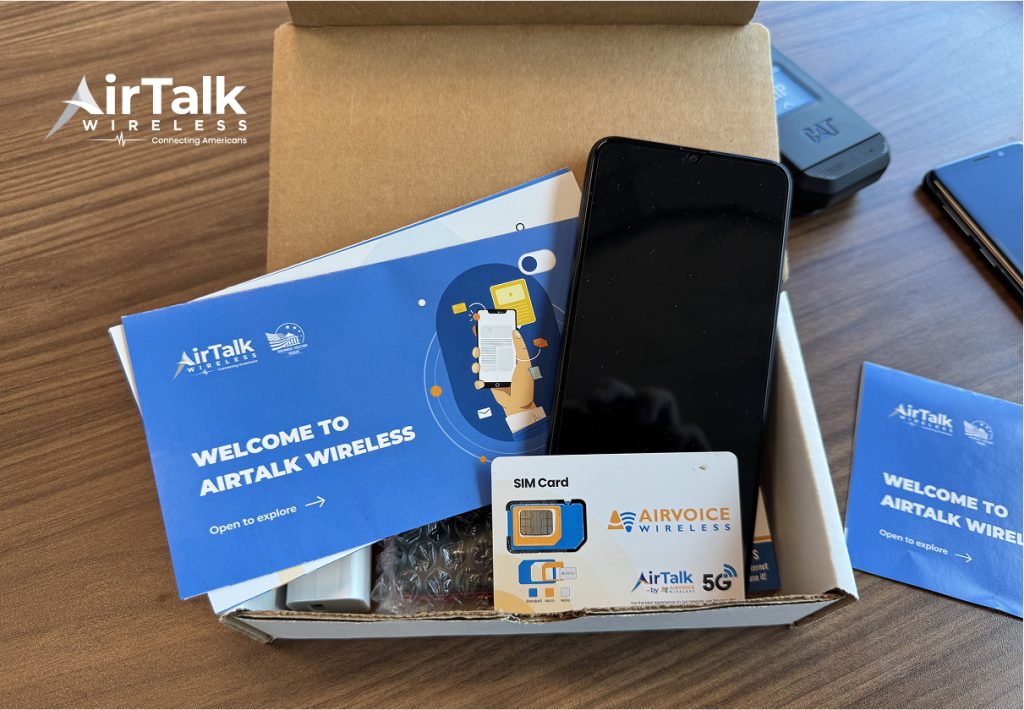
If you and your roommate qualify as separate Lifeline households, you can each check your eligibility and compare available service offers. Device availability, pricing, and plan benefits vary by location.
IMPORTANT: The government does not subsidize devices. Lifeline programs cover basic service costs only. Free or discounted devices, upgrade plans, or top-ups are exclusive benefits provided by AirTalk Wireless and Cintex Wireless as part of the promotional offers. Terms and conditions apply. Limited-time promotion—offers vary by state, stock availability, and eligibility.
Conclusion
Understanding is a roommate considered a household member for Medicaid means looking beyond a shared address to tax dependency, family relationships, and your eligibility category.
Unrelated roommates generally remain separate, but unusual financial arrangements deserve confirmation with your state Medicaid agency. For phone assistance, check Lifeline’s household rules separately before applying.