
What is the maximum income for Medicaid? There is no single income limit that applies to everyone. The amount you can earn and still qualify depends on factors such as your state, household size, age, pregnancy status, disability status, and the Medicaid eligibility category you fall under.
This guide explains how Medicaid income limits work, why they vary between applicants, what happens if your income is above the limit, and how to find the requirement that applies to your situation.
1. What Is the Maximum Income for Medicaid?
The maximum income for Medicaid depends on your state, household size, and eligibility category.
For adults covered through Medicaid expansion, eligibility is generally based on income up to 138% of the Federal Poverty Level (FPL) in states that have expanded Medicaid. The exact dollar amount changes each year and depends on household size and the current federal poverty guidelines.
Children, pregnant individuals, seniors, and people with disabilities may qualify under different financial rules, and their income limits can vary significantly depending on the state and eligibility category.
2. Why Medicaid Income Limits Aren’t the Same for Everyone
Medicaid sets a different maximum income limit for each eligibility group rather than one flat number. Adults, children, pregnant individuals, and seniors or people with disabilities are each evaluated under separate rules, so two people in the same household can qualify under very different income caps.
- Adults covered through Medicaid expansion: In states that expanded Medicaid under the Affordable Care Act, many non-elderly adults qualify based on income up to 138% of the FPL.
- Parents and caretaker relatives: some states set a separate, often lower, limit for this group than the expansion adult figure
- Children: Many states set higher Medicaid or CHIP-related income thresholds for children, but the exact limit depends on the state’s program rules.
- Pregnant individuals: Many states provide pregnancy-related Medicaid coverage at higher income thresholds than standard adult Medicaid categories, with postpartum coverage available according to state and federal requirements.
- Adults 65+ and people qualifying based on disability: These applicants are often evaluated under Non-MAGI rules, which may include different income calculations and asset requirements depending on the program and state.
3. What Income Does Medicaid Count Toward the Limit?
Many Medicaid categories use Modified Adjusted Gross Income (MAGI) to evaluate financial eligibility. This method is based on tax-related income concepts but includes Medicaid-specific rules for determining household income.
This may include sources such as wages, self-employment income, and certain taxable benefits. However, what counts as income can vary depending on the Medicaid category and state rules.
Your Medicaid household is not always the same as everyone who lives in your home. For many MAGI-based categories, household size is connected to tax filing relationships, although specific rules vary depending on your circumstances.
A few Medicaid groups use different income rules entirely. Non-MAGI categories, mainly for seniors, people with disabilities, and long-term care applicants, count income differently and add an asset test that MAGI Medicaid does not have.
Does Medicaid Look at Savings as Well as Income?
Whether savings matter depends entirely on which category applies to you.
- MAGI Medicaid generally has no asset test. Adults, children, and pregnant individuals qualifying under MAGI rules are evaluated on income alone; savings and property don’t factor in
- Non-MAGI Medicaid may include asset limits. Seniors, people with disabilities, and long-term care applicants may need to meet both income and resource requirements, but the allowable asset limits depend on the specific Medicaid program and state rules.
- An asset limit is different from an income limit. Income is what you earn each month; assets are what you already own, like savings or a second property. Meeting the income limit doesn’t automatically mean you pass the asset test if one applies to your category

>>> Read more: Medicaid Asset Limits 2026: How Much Can You Have?
Why Your State Changes the Medicaid Income Answer
Even when two states use the same Federal Poverty Level percentage, the actual dollar amount can differ depending on the current poverty guidelines, household size, and state Medicaid rules.
- Expansion and non-expansion states differ for some adults. States that didn’t adopt Medicaid expansion often set a much lower income limit for childless adults, sometimes excluding them from Medicaid entirely regardless of income
- Children’s and pregnancy limits vary by state. A state can set its own threshold above the federal minimum, so two neighboring states can have meaningfully different cutoffs for the same category
- Alaska and Hawaii use separate federal poverty guidelines, which can affect the dollar amount associated with certain income-based eligibility thresholds.
4. What If Your Income Is Over the Medicaid Maximum?
Going over the maximum income for Medicaid does not always mean you are permanently ineligible.
Some states offer medically needy or spend-down programs that allow applicants with higher incomes to qualify after accounting for certain medical expenses under state-specific rules.
And a Qualified Income Trust can help long-term care applicants whose income exceeds the cap.
- Medically needy / spend-down programs: Available in some states; medical bills reduce your countable income toward the limit
- Qualified Income Trust (Miller Trust): Used mainly by long-term care applicants whose income sits above the cap but below the cost of care
- ACA Marketplace financial assistance: If you do not qualify for Medicaid, you may still be eligible for Marketplace savings depending on your income and current eligibility rules.
5. How to Check the Medicaid Income Limit That Applies to You
Working through this in order avoids the most common mistake: assuming a national figure applies to your specific situation.
- Identify your eligibility group: Adult, child, pregnant, or senior/disability-based
- Confirm your household size, using Medicaid’s tax-based household rules rather than everyone living in your home
- Check your state’s current standard, since the dollar amount behind each FPL percentage differs by state
- Compare the correct income figure for your exact category and household size, not a general adult number
- Apply rather than assuming you’re over the limit: Many applicants qualify under a category they didn’t expect
>>> Check more: Does Urgent Care Take Medicaid? 2026 Coverage Guide
6. If You Qualify for Medicaid, Check This Phone Benefit Too
Income limits determine more than health coverage. If your household falls under the Medicaid maximum, you may also qualify for a separate benefit that has nothing to do with income verification twice; it uses the same eligibility.
Lifeline Program Overview
The Lifeline program is a federal program that reduces your monthly phone service or internet service bill.
Standard households receive a discount of up to $9.25 per month, and households on Tribal lands can receive up to $34.25 per month. Lifeline itself provides the discount; it does not supply a device.
Medicaid enrollment automatically qualifies your household for this discount. You may also qualify through:
- SNAP (food assistance)
- SSI (Supplemental Security Income)
- Section 8 housing assistance
- Veterans Pension
- Household income at or below 135% of the Federal Poverty Guidelines
Benefits You Can Get
Cintex Wireless is among the top trusted Eligible Telecommunications Carrier who partner with the Lifeline program, combining your federal discount with its own device promotions to offer a free phone and $0 monthly service, not just a lower bill. Every plan includes:
- Unlimited talk and text
- Free international calling to over 200 countries and territories
- Free SIM kit or eSIM
- Free WiFi calling
- Free calls to 911
- Caller ID, call waiting, 3-way calling, and voicemail
- Nationwide coverage
- Dedicated customer support
UPDATE: Cintex Wireless has merged into AirTalk Wireless. The merger means that customers can have wider coverage, faster application processing, and stronger monthly benefits.
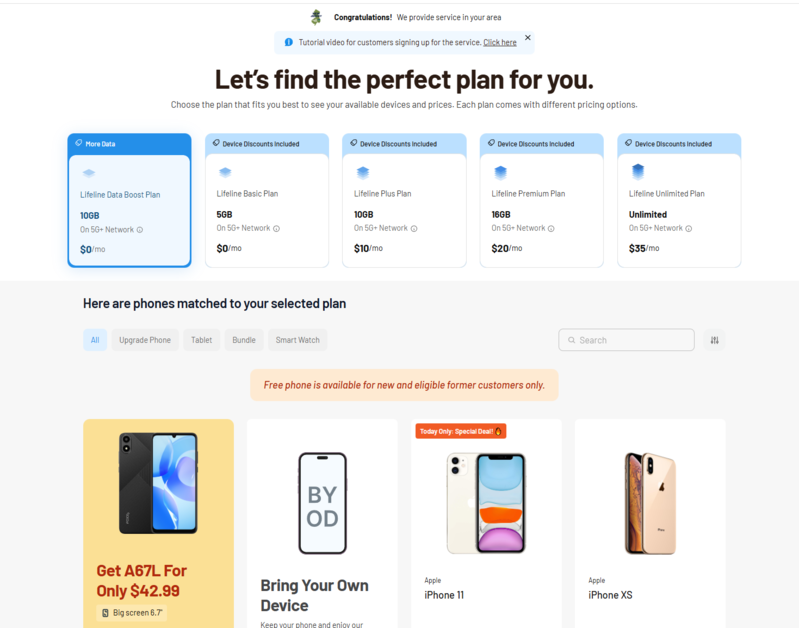
Note: Free phone offers are available for new and eligible former customers only. Device selection, stock, and pricing vary by ZIP code and are subject to change.
7. Frequently Asked Questions
Q1. What’s the highest income to qualify for Medicaid?
The maximum income for Medicaid depends on your eligibility group, household size, and state. Many non-elderly adults in Medicaid expansion states qualify based on income up to 138% of the Federal Poverty Level, but the exact dollar amount changes each year.
Q2. Can I get Medicaid if my income is too high?
Yes, in some cases. A medically needy or spend-down program can reduce your countable income, a Qualified Income Trust may help long-term care applicants, and ACA Marketplace subsidies remain an option if your income stays under 400% FPL.
Q3. What are the income limits for Medicaid in 2026 by state?
Limits vary significantly by state, since each state sets its own dollar figures on top of the federal percentages. Check your state’s Medicaid portal directly for the exact number that applies to your household size and category.
Conclusion
The maximum income for Medicaid is not one fixed number that applies to every applicant. Your eligibility depends on where you live, your household size, your income calculation method, and the Medicaid category you apply under.
Instead of relying on a general income figure, check your state’s Medicaid requirements for your specific situation. That is the number that determines whether you may qualify for coverage.