
When you are dealing with back pain, neck pain, or other movement-related discomfort, getting treatment quickly can make a big difference. But for many patients, the cost of care is also a major concern.
That is why many people search for a chiropractor that takes Medicaid when they want affordable treatment that fits their insurance coverage. This article will help you understand how Medicaid works!
1. Does Medicaid Cover Chiropractic Care?
Medicaid may cover chiropractic services when the treatment is deemed medically essential, such as:
- The condition impairs functional ability.
- Conservative medical therapy has failed.
- The care treats acute pain or damage, not overall well-being.
- A licensed provider explicitly documents the necessity.
Some states may cover x-rays, spinal manipulations, diagnostic imaging, evaluations, and place annual visit limits or require prior authorization for ongoing treatment.
However, because Medicaid is a joint federal-state public insurance program, chiropractic therapy is considered an optional benefit under federal Medicaid regulations.
While federal law establishes minimum criteria, states can choose whether to offer optional treatments such as chiropractic care.
For these reasons, coverage restrictions, visit caps, and referral criteria may vary by state and Medicaid plan.
So double-check your specific benefits and research carefully before looking for chiropractors that take Medicaid.

2. How to Find a Chiropractor That Takes Medicaid?
When searching for a chiropractor that takes Medicaid, using the right resources and asking the correct questions can help prevent unexpected out-of-pocket charges or denied claims.
Here are some practical strategies.
Use Your State Medicaid Provider Directory
Most state Medicaid organizations have an online provider directory where you may look for chiropractor Medicaid in your region.
These directories are often searchable by specialization, region, and plan type, making them one of the most dependable sources for finding in-network providers.
However, ensure that the chiropractor is presently taking new Medicaid patients, since provider availability might vary. It is also critical to guarantee that they accept your specific Medicaid managed care plan.
>>>Read more: Finding A Psychiatrist That Accept Medicaid in 2026: Helpful Tips
Call the Clinic
Another useful way to find a chiropractor that takes Medicaid is to call the clinic directly.
Calling ahead can save time and help you avoid clinics that do not participate in Medicaid or do not offer the type of chiropractic care you need.
This lets you confirm whether the office accepts your specific Medicaid plan, whether they are taking new patients, and whether a referral is required before treatment.
Check Community Health Centers
Certain community health centers and Federally Qualified Health Centers (FQHCs) offer chiropractic care directly or send patients to partner clinics.
These facilities are more likely to work closely with Medicaid patients and may assist in coordinating treatment if alternatives in your region are limited.
3. Who Is Eligible for Chiropractor Medicaid?
Chiropractic therapy is an optional Medicaid benefit, so coverage requirements, age restrictions, and visit limits differ greatly by state.
For this reason, eligibility for Medicaid chiropractic care is determined by your general Medicaid participation and your state’s policy.
Medicaid Enrollment
To qualify for Medicaid services, you first need to meet your state’s basic eligibility rules. These usually include:
- Income and assets: In many states, adults may qualify based on income tied to the Federal Poverty Level, while children, seniors, pregnant individuals, and people with disabilities may qualify under different rules
- Residency: You need to live in the state where you are applying for Medicaid.
- Status: You must generally be a U.S. citizen or have a qualified lawful immigration status.
State’s Policy
Medicaid rules are not exactly the same in every state, and chiropractic coverage may only be available under certain plans or for specific conditions.
Hence, it is important to check both general Medicaid eligibility and your state’s rules on chiropractic services before expecting coverage.
>>>Read more: Medicaid Recertification Forms: The Latest Guide To Renew Medicaid
4. How Much Does a Chiropractor Cost Without Insurance?
The average cost of a new patient chiropractic visit is between $60 and $200. However, chiropractic treatment costs might vary depending on location and treatment type.
Follow-up appointments for established patients are often less expensive than the initial consultation in a chiropractic practice.
It is because the initial appointment involves an examination of your injury or health issue, as well as a complete health history, physical exam, and, in certain cases, your first chiropractic treatment session.
Subsequent chiropractic sessions for established customers generally cost between $60 and $140.
5. Surprising Benefit That Medicaid Recipients May Not Know About
Many recipients may not know that their participation in Medicaid may help them be eligble for the Lifeline program.
It is a federal program that helps eligible low-income households lower the cost of phone service or internet service, and Medicaid is one of the direct qualifying programs under the current federal rules.
In addition to Medicaid, individuals may also be eligible if they meet income requirements or enroll in SSI, SNAP, or other programs.
What’s great about Lifeline is that if you apply through an Eligible Telecommunications Carrier like Cintex Wireless, you can receive a free government phone or tablet.
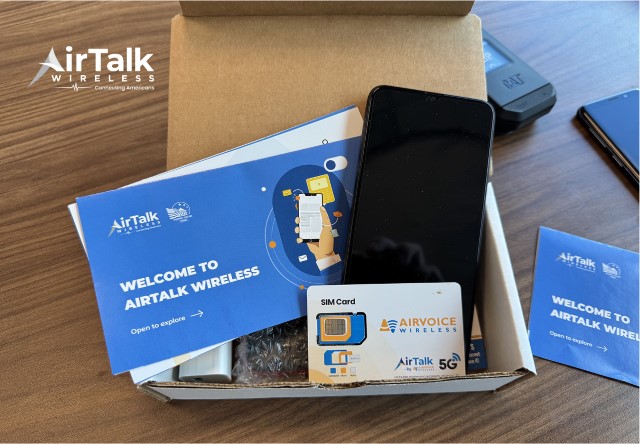
Notably, Cintex is currently being merged into AirTalk Wireless as part of a transition meant to improve support and device access.
This brings customers more benefits, such as:
- Quick and straightforward application process at airtalkwireless.com
- More device options from popular brands
- Generous monthly data
- Free talk and text, international calling
- Dedicated customer support, etc
Note: The government does not cover device costs, only basic service through Lifeline. Any free or discounted devices, upgrades, or top-ups are limited-time Cintex Wireless offers and may vary by state, eligibility, and availability. Terms and conditions apply.
Conclusion
To sum up, finding a chiropractor that takes Medicaid can make treatment more accessible for patients who need care but are worried about cost.
Just note that it is important to confirm the details before making an appointment, as coverage rules and provider participation can vary by state and by plan.