Does CVS accept Medicaid? The short answer is yes, but not at every location, and not for every service.
CVS Pharmacy, CVS MinuteClinic, and general retail items inside CVS all follow different rules under Medicaid. Your state, your managed care plan, and the type of service you need all affect whether your card will work.
Read the full breakdown below before your next CVS visit.
1. Does CVS Accept Medicaid?
Yes, CVS accepts Medicaid for covered prescriptions and certain healthcare services, but coverage depends on your state Medicaid program and managed care plan.
Most CVS Pharmacy locations accept fee-for-service Medicaid for eligible prescription drugs. Meanwhile, CVS MinuteClinic accepts many Medicaid plans for in-person medical visits, although accepted coverage varies by state and provider network.
There are also two important limitations to know:
- Out-of-state Medicaid is usually not accepted. If you use a Medicaid card issued in another state, CVS may not be able to process the claim.
- Some medications require prior authorization (PA). Your doctor must submit the approval request before Medicaid will cover certain prescriptions.
2. Can I Use Medicaid at CVS Pharmacy?
The pharmacy and the clinic inside CVS are treated separately by Medicaid. Knowing which service you need tells you what to expect before you visit.
CVS Pharmacy (Prescriptions)
Most CVS Pharmacy locations accept fee-for-service Medicaid for covered prescription medications. Covered drugs must appear on your state’s Medicaid formulary.
Some medications require prior authorization (PA) before Medicaid will pay. Your doctor must submit the request directly to Medicaid.
Over-the-counter items such as vitamins, supplements, pain relievers, and allergy medicine are usually not covered unless prescribed by a doctor.
Medicaid also does not cover regular retail products like cosmetics, snacks, or skincare items sold at CVS.
CVS MinuteClinic
CVS MinuteClinic accepts many Medicaid plans for in-person medical care, but coverage varies by state and managed care provider.
Covered services may include:
- Minor illness treatment
- Vaccinations and immunizations
- Preventive care visits
- Basic screenings and testing
Virtual visits and wellness-only services are often not covered by Medicaid.
Confirm your specific plan is accepted before scheduling by using the CVS MinuteClinic Insurance Checker at cvs.com/minuteclinic.
>>> Read more: How a Medicaid Trust (MAPT) Pays for Care
3. Why Medicaid Coverage at CVS Depends on Your Health Plan
Coverage at CVS can vary because Medicaid is managed differently in each state. Whether your card works at a specific CVS location usually depends on four factors:
- State and plan differences
Your Medicaid plan must have an active network agreement with CVS. Coverage can vary between providers such as Aetna Better Health and local state-managed plans.
- Medication formularies
Medicaid only covers medications listed on your state’s approved drug formulary. Some non-formulary drugs require prior authorization from your doctor.
- OTC benefits
Some Medicaid plans offer monthly OTC allowances at CVS for pre-approved health items. These cannot be used for groceries, cosmetics, or general retail goods.
- Clinical services
MinuteClinic coverage depends on your specific plan and location. A plan accepted at one MinuteClinic may not be accepted at another in a different ZIP code.
4. Does Medicaid Pay 100% of Prescriptions?
Medicaid often covers most or all of the cost of covered prescriptions, although some adults may still pay small copayments depending on the state and plan.
| Group | Co-pay at CVS |
| Most adults | Small copayment, often around $1–$4 |
| Children | $0 — exempt from co-payments |
| Pregnant individuals | $0 — exempt from co-payments |
| Nursing home residents | $0 — exempt from co-payments |
| Hospice care recipients | $0 — exempt from co-payments |
Three key rules on prescription costs:
- Medicaid only covers drugs on your state’s formulary. Some cosmetic or lifestyle medications may not be covered unless medically necessary.
- Federal rules cap your total out-of-pocket Medicaid costs at 5% of your household income per month or quarter across all services combined.
- If a drug is not on the formulary, your doctor can submit a formulary exception request to ask Medicaid to cover it on a case-by-case basis.
5. Use Your Medicaid Card to Get Free Communication Services Too
Managing prescriptions, booking MinuteClinic visits, and contacting Medicaid offices all require reliable phone service. If you already receive Medicaid, you may also qualify for discounted or free wireless service through the federal Lifeline program.
Medicaid recipients are automatically eligible for Lifeline. You may also qualify through programs like SNAP, SSI, Federal Public Housing Assistance, Veterans Pension benefits, or by meeting income limits.
Which Benefits Can You Get?
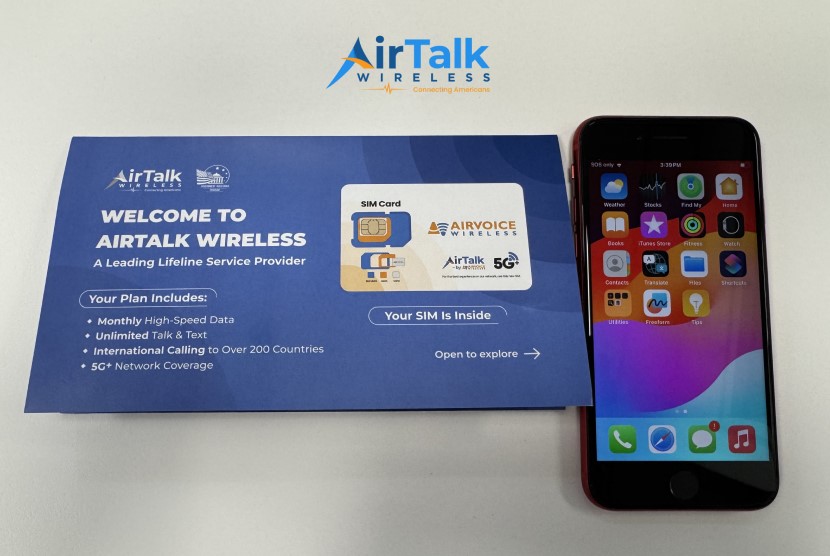
Through federally approved ETCs like Cintex Wireless and AirTalk Wireless, eligible Medicaid members may receive:
- Unlimited talk and text
- 5G data monthly allowance
- Free 5G smartphone
- Good customer services
- International calling to over 200 countries
Staying connected makes it easier to manage prescriptions, book MinuteClinic appointments, and reach your Medicaid office when needed.
UPDATE: Cintex Wireless and AirTalk Wireless are now merging. The combined platform delivers broader coverage, a smoother application experience, and upgraded monthly plan rewards for all members.
How to Apply
Follow the 4 steps below:
- Visit Cintex Wireless or AirTalk Wireless
- Enter your ZIP code to check availability in your area
- Choose a plan and device that fits your needs
- Upload your Medicaid card or approval letter as proof of eligibility
- Submit your application and wait for approval
DISCLAIMER: Lifeline covers monthly service costs only. Devices offered are promotional offers from providers and are not government-funded. Eligibility and plan availability vary by state, ZIP code, and qualifying program. Cintex Wireless and AirTalk Wireless are both federally approved ETCs under the Lifeline Program. One benefit per household. Non-transferable. Terms apply.
>>> Read more: Can You Get A Free Government Phone And Tablet? 2026 Beginner’s Guide
6. Frequently Asked Questions (FAQ)
How Do I Verify If My CVS Accepts My Medicaid Plan?
Call your local CVS Pharmacy or MinuteClinic directly and provide your Medicaid plan information. You can also check your plan’s provider directory or use the insurance checker on the CVS official website.
Why Is CVS Not Taking Medicaid?
Usually no. Medicaid benefits are generally limited to the state that issued your Medicaid card, except for certain emergency situations.
What Items at CVS Does Medicaid Not Cover?
Medicaid usually does not cover:
- Cosmetics and beauty products
- Snacks and groceries
- Skincare products
- Vitamins and supplements without a prescription
- Non-approved over-the-counter items
- Certain cosmetic or lifestyle medications
Coverage varies by state Medicaid plan and formulary.
Final Words
Does CVS accept Medicaid? Generally, yes for covered prescriptions and in-person MinuteClinic visits, but not universally. Your managed care plan, your state’s formulary, and your location all affect whether CVS is in your network.
Always verify your plan before visiting. If your CVS recently stopped accepting your card, a network contract change is the most likely cause.
If you have Medicaid, you may also qualify for a free Lifeline plan through Cintex Wireless or AirTalk Wireless.