A nano SIM is the smallest traditional SIM card and plays an important role in mobile communications. It provides mobile internet access, voice calls, and texting in a small space.
This blog post will cover key facts about this SIM card, including its size, significance, and technology. Let’s check it out!
1. What Is a Nano SIM?
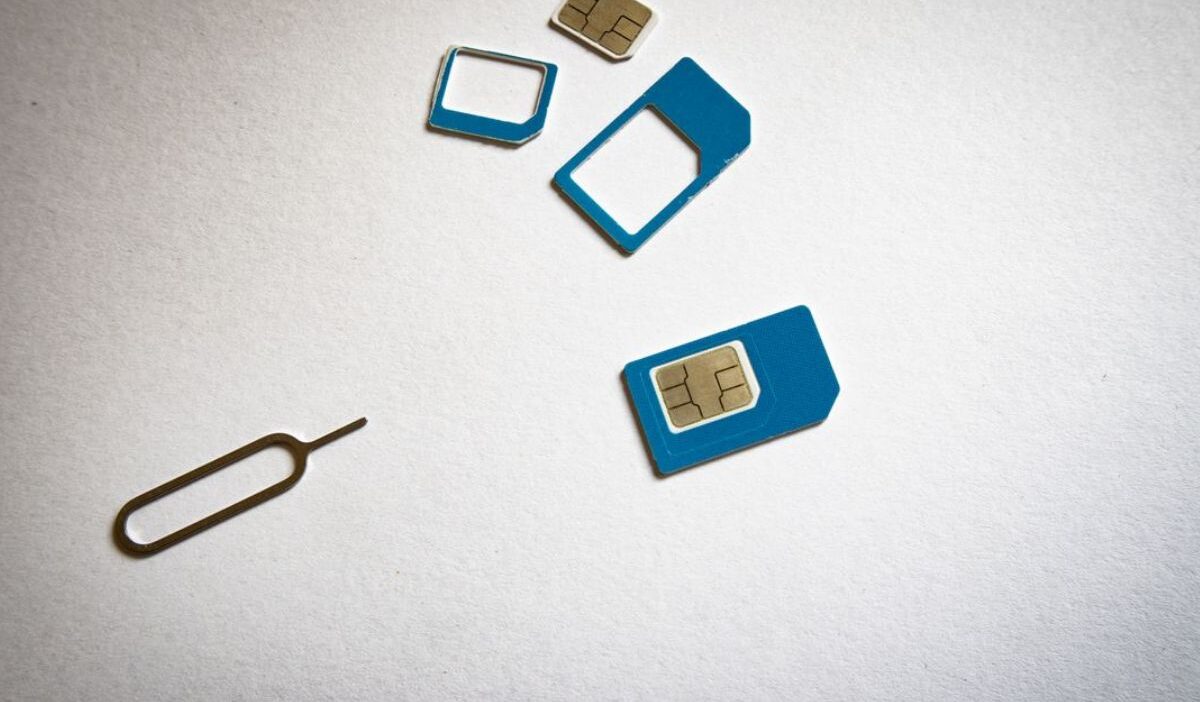
The nano SIM is presently the smallest physical format for SIM cards.
What does a nano SIM mean? It is known as 4FF, which stands for “Fourth Form Factor” in technical terms. This designates it as the fourth stage in the development of SIM cards.
More facts about nano SIMs are revealed below.
Nano SIM Size and Dimension
The nano card was first introduced in 2012 to address the demand for progressively smaller components.
A conventional SIM card is around 25 x 15 millimeters, and a micro SIM measures about 15 x 12 millimeters, while a tiny nano SIM measures just 12.3 x 8.8 x 0.67 millimeters.
This means that it is substantially smaller than previous models. The smaller surface area frees up room in devices for additional technological components.
Also, this SIM card only has an extra insulating card and a gold contact area to help avoid electrical shorts.
Advantages of Nano SIM
Wonder whether all phones use nano SIM now? The answer is no. However, they are commonly used on smartphones for the following benefits.
- Space Efficiency
By reducing the space occupied by the SIM card, manufacturers can use the extra space for improvements, such as increased battery life.
This allows for substantially more device usage on a single charge, as well as the incorporation of modern technology that would not have been possible with a bigger SIM card footprint.
- Adaptation to Slimmer Designs
Their tiny size enables them to integrate perfectly into the design of ultra-thin gadgets.
This ensures that these devices stay compact while maintaining high technical performance.
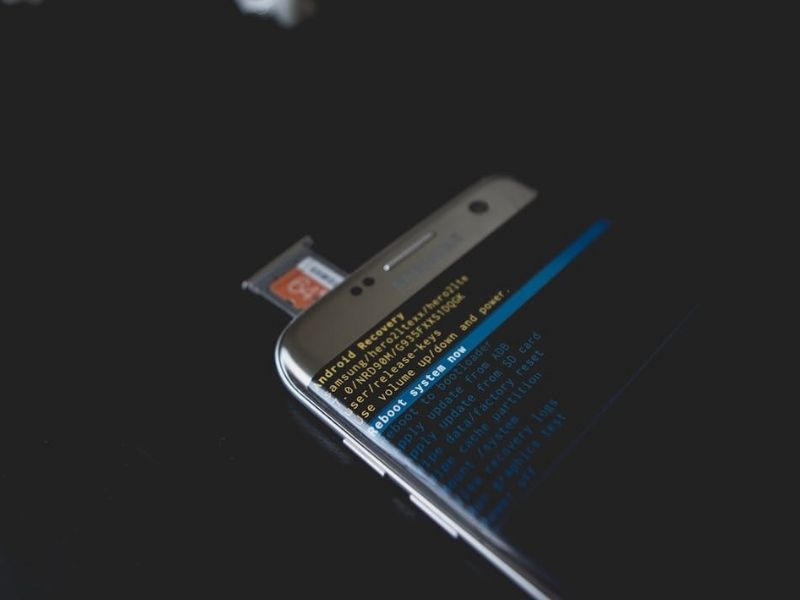
2. Nano SIM Size vs Other SIM Types
Now you know some basics about nano cards. However, there are several types of SIM cards, so you may wonder, for example, which is better, nano SIM or eSIM?
Each type of SIM card serves different needs depending on your device, connectivity requirements, and flexibility.
For instance, nano SIMs are widely used in most smartphones today, while eSIMs allow multiple numbers or carriers without swapping a physical card.
Choosing the right SIM type can impact your device setup, roaming options, and ease of switching between networks.
Refer to the following table for more details:
| SIM types | Size | Integration | Application |
| Full-size SIM | 85 × 54 × 0.76 mm | Physical | Early mobile phones |
| Mini SIM | 25 × 15 × 0.76 mm | Physical | Older mobile phones |
| Micro SIM | 15 × 12 × 0.76 mm | Physical | Smartphones from around 2010 |
| Nano SIM | 12.3 × 8.8 × 0.67 mm | Physical | Current smartphones |
| eSIM | 6 × 5 × 1 mm | Digitally | Modern devices |
3. How Do You Know If Your Phone Uses a Nano SIM?
Using the correct size is critical for ensuring optimal network connectivity and avoiding compatibility difficulties.
Because of their small size and compliance with current mobile network standards, most recent smartphones utilize nano SIM cards.
This card is most likely supported by phones released in the recent few years. Popular devices using nano card include:
- iPhone models from iPhone 5 onward, if they had a physical SIM tray.
- Most Samsung Galaxy, Motorola, LG, Google Pixel, OnePlus, Sony, and Xiaomi models have been sold in the last decade.
If you’re not sure if your phone uses a nano card, you can check the device specs or the SIM tray size.
4. Can a Standard SIM Be Converted to a Nano SIM?
Yes, you can convert a conventional SIM card to a nano one by using a precise cutter or a SIM card cutting template.
However, make sure to cut only the excess plastic around the chip to avoid damaging it.
Despite this, doing so is not recommended since it might damage the SIM card. In general, you’re better off obtaining a new SIM card from your carrier.
5. Is It Possible to Get a Free Nano SIM Card?
You can acquire a free nano SIM card, but in most cases, you’ll need to obtain it directly from your wireless carrier when activating or upgrading your service.
However, eligible low-income individuals may be able to receive a free smartphone and nano SIM card from authorized carriers under the federal Lifeline program.
Lifeline helps qualified households stay connected by providing discounted or free phone service through Eligible Telecommunications Carriers (ETCs).
To qualify, applicants generally must have a household income at or below 135% of the Federal Poverty Guidelines or participate in qualifying government assistance programs such as Medicaid, SNAP, SSI, etc.
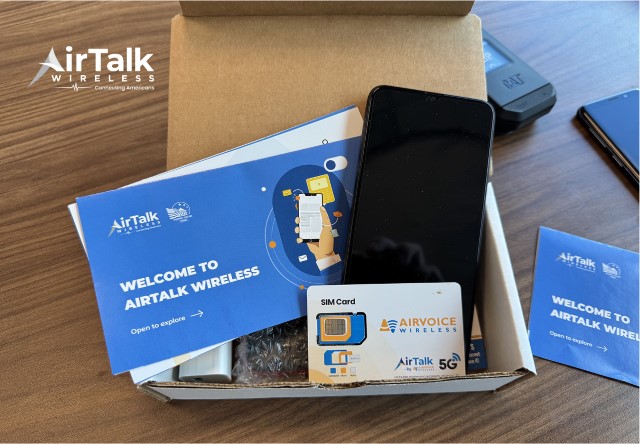
Once approved, you can apply through a participating Lifeline provider.
Among the available options, Cintex Wireless is widely recognized as a reputable provider that offers free government phones, SIM cards, and monthly service plans to eligible Lifeline participants.
Especially, it is now merging with AirTalk Wireless, a company with years of experience partnering with Lifeline.
Note: Eligibility varies by state and program. Offers depend on availability and qualifications. AirTalk Wireless operates under the federal Lifeline Program as an Eligible Telecommunications Carrier (ETC). Service is non-transferable and limited to one service per household.
When you apply for Lifeline through AirTalk, you can get access to a variety of phone models that support a nano SIM card, such as:
IMPORTANT: Device availability may vary by region, inventory, and time of application. Some models may be free, while others may be discounted.
Conclusion
To conclude, nano SIM cards are critical components of mobile communication. They serve as the foundation for several devices, facilitating connections and improving the user experience.
Their importance extends beyond smartphones to smartwatches, highlighting their crucial position in our interconnected lives.