A US mobile SIM card may come in several formats depending on the device you use. This guide covers the common SIM types, where to get one, how activation generally works, and an affordable option for eligible households.
1. Overview of US Mobile SIM Card
Phones used in the United States can support several SIM formats.
Older devices may rely on micro-SIM, while newer models usually use nano-SIM, eSIM, or a combination of both.
Micro SIM
Micro-SIM cards are mainly found in older smartphones and tablets. They are larger than nano-SIM cards and are now much less common on recent devices.
A micro-SIM can still work normally when the phone and network support it, but replacement options may be more limited than with newer SIM formats.
Nano SIM
Nano-SIM is the most common physical SIM format on newer smartphones that still include a SIM tray. The card fits into a small tray and can usually be moved between compatible devices that accept service from the same carrier.
This format remains useful for people who prefer a removable card or frequently switch phones. However, the new device still needs to support the carrier’s network and the same SIM size.
eSIM
An eSIM is built directly into the phone and does not require a removable plastic card. A carrier can activate a mobile plan digitally via a QR code, an app, or a device setup process.
Many newer iPhones, Samsung Galaxy, Google Pixel, and other smartphones support eSIM. Availability can still vary by model, region, and carrier.
2. Is It Better to Choose a Physical or Digital SIM Card in US?
SIM card USA fall into two main groups: Micro SIM and Nano SIM are physical cards, while eSIM is digital.
For most newer phones in the U.S., the choice usually comes down to nano-SIM or eSIM, since micro-SIM is mainly found in older devices.
If your phone still uses a micro-SIM, you will generally need to stay with that format unless you upgrade the device.
A physical nano-SIM can be convenient if you want to remove the card and move it between compatible phones.
An eSIM, meanwhile, allows the mobile plan to be activated digitally and can make it easier to add another line without handling a physical card.

To find out which option your phone supports, start by checking the SIM tray. Its size can indicate whether the device takes a micro-SIM or nano-SIM.
For eSIM, open the cellular settings and look for options such as Add eSIM, SIM Manager, or Add Mobile Plan.
Checking the exact model specifications is also useful, as SIM configurations can vary across regional versions.
3. Where to Get a US Mobile SIM Card?
Looking for a SIM card near me? You can purchase from carrier stores, electronics retailers, supermarkets, convenience stores, and wireless providers’ websites.
The best place depends on whether you need immediate activation or prefer to compare plans first.
Carrier stores can help with compatibility checks, number transfers, and account setup.
This option may be useful when the phone was purchased overseas or you are unsure whether it works with the network.
Large retailers often carry prepaid SIM starter kits. These are convenient for quick purchases, but the shelf price may only cover the SIM itself. Still, a separate service plan or activation payment can still be required.
In addition, buying online also gives you more time to review coverage, data allowances, fees, and bring-your-own-device requirements.
Some providers also let customers enter the phone’s IMEI before ordering, which helps confirm compatibility.
For eSIM, you may not need to buy a physical card at all. A compatible provider can deliver the mobile profile digitally after you choose a plan and complete activation.
Before paying, don’t forget to review the total starting cost. A cheap or free SIM may still come with activation fees, taxes, shipping, or a required first month of service.
4. How to Activate a US Mobile SIM Card?
SIM card activation depends on the carrier and SIM format, but the general process is straightforward.
For a physical SIM, the phone is usually powered off before the card is inserted into the tray. After restarting, the device may connect automatically or ask you to complete setup through the carrier’s website or app.
The provider may request information such as:
- SIM card number or ICCID
- Phone IMEI
- Account details
- Activation code
- Selected service plan
- Number-transfer information when keeping an existing number
An eSIM follows a digital process instead. The phone may scan a QR code, download a carrier profile, transfer an existing eSIM, or complete activation through the provider’s app.
Once the line is active, test a call, text message, and mobile data connection. If service does not appear, restart the phone and confirm that the SIM line is enabled and the device is compatible with the network.
5. Looking for an Affordable Plan for Your US Mobile SIM Card? How Cintex Wireless Can Help
A reliable US mobile SIM card is only useful if the monthly plan it supports fits your budget.
Fortunately, the Lifeline program can be helpful to eligible households looking to reduce wireless expenses.
It is a government assistance initiative that provides a monthly discount on qualifying phone service or internet service. Eligibility is generally based on household income or participation in approved programs such as SNAP, SSI, or Medicaid.
Lifeline is limited to one benefit per eligible household, and the benefit cannot be transferred to another person.
Notably, the Lifeline benefit is delivered through Eligible Telecommunications Carriers, or ETCs.
Depending on the provider, state, eligibility, and current offer, customers may receive discounted wireless service that includes talk, text, and mobile data.
Some ETCs, such as Cintex Wireless, may also provide a SIM card or compatible phone through their own promotions.
This company is merging with AirTalk Wireless, giving new applicants access to an updated enrollment system and a broader range of available devices.
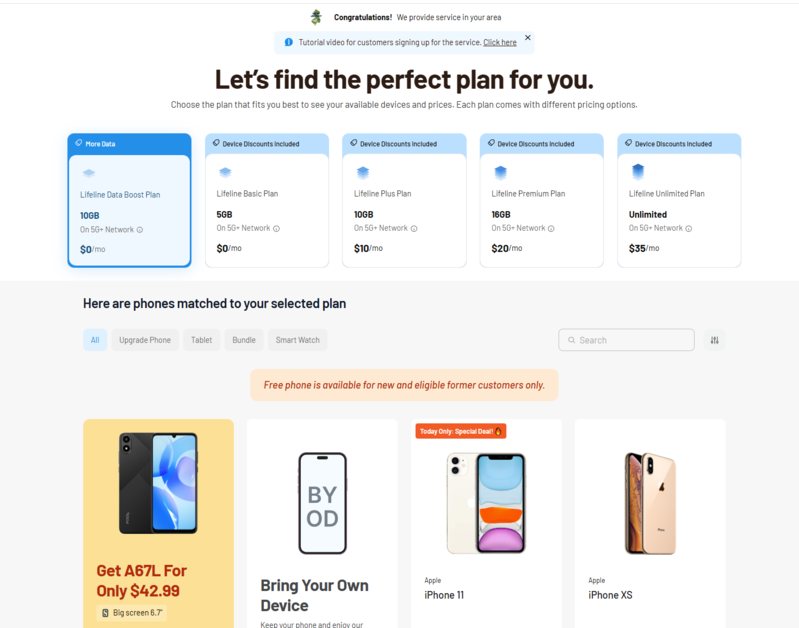
Applicants can review current phones and SIM options through AirTalk before applying.
Just note that device availability can change with inventory levels, and higher-end models may be offered in limited quantities or at a reduced price rather than for free.
Therefore, it is better to check the available options before completing the application to choose one that works with your preferred physical SIM or eSIM setup.
Notice: The government does not cover device costs, only basic service through Lifeline. Any free or discounted devices, upgrades, or top-ups are limited-time Cintex Wireless and AirTalk Wireless offers and may vary by state, eligibility, and availability. Terms and conditions apply.
Conclusion
A US mobile SIM card can be as simple as a nano-SIM placed in a tray or an eSIM downloaded directly to the phone. The better option depends on device support, coverage, and how you prefer to manage your mobile line.
Before buying or activating service, confirm compatibility and review the full cost of the plan. That small amount of preparation can save you from ending up with a SIM that does not work with your phone.