Does Medicaid cover home health care? Yes. Medicaid includes home health services as a federally required benefit for eligible beneficiaries, although the exact services, authorization rules, and amount of care can differ by state and individual need.
That distinction matters because “care at home” covers a lot of ground. Skilled nursing is not the same as help with meals or bathing, and long-term personal assistance may fall under a different Medicaid program altogether. Knowing which bucket your needs fall into can make the coverage rules much easier to navigate.
1. Does Medicaid Cover Home Health Care?
Yes. Federal Medicaid rules require qualifying state programs to cover a core set of home health services.
At minimum, the Medicaid home health benefit includes:
- Part-time or intermittent nursing services
- Home health aide services
- Medical supplies, equipment, and appliances suitable for use at home
States may also cover physical therapy, occupational therapy, speech-language pathology, and audiology through the home health benefit.
Coverage is generally tied to medical need and a written plan of care. Unlike Medicare home health, federal Medicaid rules do not require someone to be “homebound” simply to qualify for the Medicaid home health benefit.

2. What Does Medicaid Cover for Home Health Care?
When asking what does Medicaid cover for home health care, it helps to start with the medical services that can safely be delivered where you live. Each service has a different purpose within your overall care plan.
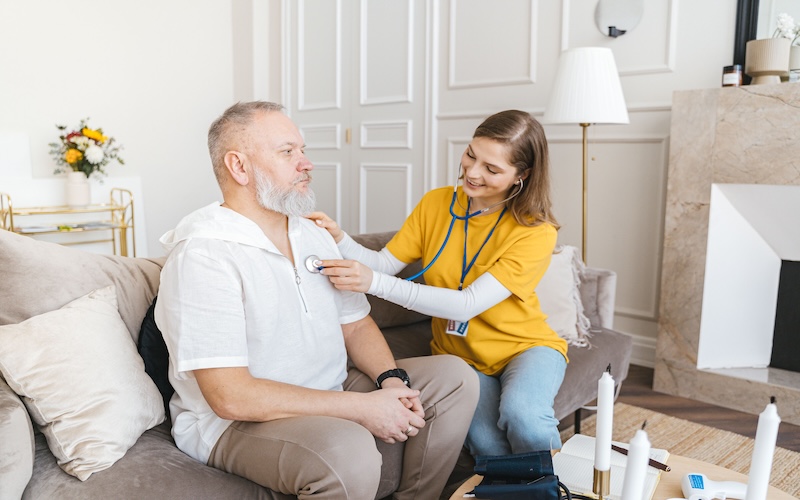
Skilled nursing at home
Skilled nursing may include medically necessary services such as wound care, medication-related care, catheter care, or monitoring that requires a licensed nurse.
Federal rules describe covered nursing under the Medicaid home health benefit as part-time or intermittent rather than automatically around-the-clock care.
Home health aide services
Home health aides may provide hands-on personal assistance that forms part of an authorized home health plan, such as help with bathing, dressing, mobility, or other appropriate tasks.
However, do not assume every kind of ongoing personal assistance is simply “home health.” Medicaid can also provide personal care services or broader HCBS through separate authorities, and those programs have their own eligibility and assessment rules.
Therapy and Medicaid services at home
Physical therapy, occupational therapy, and speech-language services can also be provided at home when the state covers them and the individual meets applicable requirements.
Under federal Medicaid home health regulations, these therapy services are optional components rather than part of the three federally required core services.
Medical equipment and supplies
The mandatory home health benefit also includes medically necessary supplies, equipment, and appliances suitable for use where normal life activities take place.
That can include items such as mobility equipment or other medical supplies when coverage criteria are met. Federal rules also prohibit states from using an absolute equipment list that shuts the door on every item not already listed.
>>> Read more: Free Phone And Tablet With Medicaid? Tips To Maximize Your Benefits
3. How Many Hours of Home Health Care Does Medicaid Cover?
There is no nationwide number.
The amount approved depends on what kind of service is needed, the person’s medical and functional needs, state rules, and the authorized plan of care.
Factors may include:
- Medical condition and treatment needs
- Ability to complete Activities of Daily Living
- Safety risks
- Need for skilled nursing or aide services
- Whether a different Medicaid personal-care or HCBS program applies
- State authorization limits
This is also why “hours” can be misleading. Standard home health nursing may be delivered through intermittent visits, while private-duty nursing or personal-assistance programs can follow entirely different schedules.
4. What Determines Your Medicaid Home Health Coverage?
Once the service itself is identified, Medicaid looks at whether it meets the coverage requirements.
Your Medical need
Medical necessity sits at the center of the decision.
An assessment may consider your condition, functional limitations, ability to handle everyday activities, and whether the requested care can safely be provided at home.
In other words, approval is not pulled from a one-size-fits-all rulebook. The care has to match the need.
Your doctor’s order and care plan
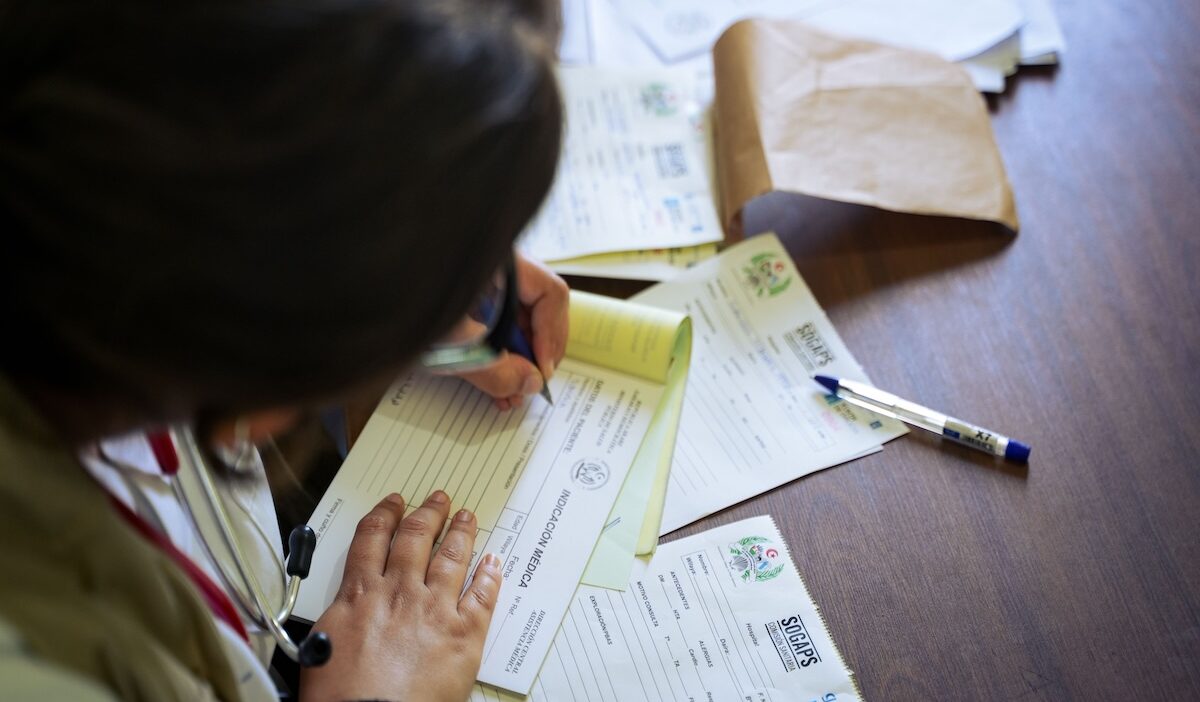
Home health services generally must be ordered and included in a written plan of care.
Federal Medicaid rules allow orders from a physician, nurse practitioner, clinical nurse specialist, or physician assistant, subject to state law. The plan identifies what services are needed and how they should be delivered and reviewed.
Individual states may impose more specific requirements. Florida’s current Medicaid home health policy, for example, requires recipients to be under a physician’s care and have a physician’s order for home health services
>>> Read more: Best Free Government Phone And Tablet From Popular Brands
5. What Is Not Covered Under Medicaid Home Health Care?
There is no single national list that applies to every Medicaid program, so it is safer to ask what is not included in the standard home health benefit.
Services may fall outside regular home health coverage when they are not medically necessary or do not meet the state’s coverage criteria.
Examples can include purely custodial supervision or household tasks that have no connection to an authorized care need.
But be careful with broad statements about housekeeping, meal preparation, respite, or personal assistance.
Some of those services can be covered separately through Medicaid HCBS waivers, personal-care benefits, or self-directed programs.
Federal HCBS programs can include homemaker services, personal care, respite, case management, and other supports designed to help people remain in the community.
The label matters here. Something may not fit under “home health” and still have another Medicaid door open to it.
6. Staying Connected Matters When Care Happens at Home
Home health visits may happen a few times a week, but care coordination does not clock out when the nurse walks through the door. Appointment changes, prescription questions, family updates, and calls from the care team can happen in between.
If you participate in Medicaid, that same program participation may also make you eligible for Lifeline, a government assistance program that helps lower the cost of qualifying phone service or internet service.
If Medicaid is not available to you, you can still qualify if you meet the income limit or participate in other qualifying programs like SNAP, SSI, etc.
Lifeline service is provided through participating Eligible Telecommunications Carriers. Cintex Wireless is one such ETC.
For someone managing care from home, several Cintex features can be particularly practical:
- A free or discounted phone to stay connected
- Monthly mobile data for patient portals, email, maps, or video calls
- Unlimited text and picture messaging
- Caller ID and Voicemail so important calls are easier to track
- A SIM kit or eSIM for compatible service
Cintex is also merging into AirTalk Wireless. The transition brings customers into a more unified service experience with additional benefits and access to a broader range of available device options.
That connection may seem like a small part of home care, but when appointments, caregivers, and family are all moving pieces, having a dependable way to reach each other can keep fewer things from slipping through the cracks.
IMPORTANT: The government does not subsidize devices. Lifeline programs cover basic service costs only. Free or discounted devices, upgrade plans, or top-ups are exclusive benefits provided by Cintex and AirTalk Wireless as part of the promotional offers. Terms and conditions apply. Limited-time promotion—offers vary by state, stock availability, and eligibility.
7. FAQs
Does Florida Medicaid cover home health care?
Yes. Florida Medicaid covers medically necessary home health visits, including skilled nursing and qualified home health aide services, for recipients who meet its criteria. Florida also has separate personal-care and more intensive in-home service programs.
Can Medicaid pay a family member to provide care?
Sometimes. Certain Medicaid self-directed personal-assistance or HCBS programs may allow participants to hire some relatives, but who can be paid and under what conditions varies by state and program.
Do I need a doctor to get Medicaid home care?
Not always under federal rules. A physician, nurse practitioner, clinical nurse specialist, or physician assistant may be able to order Medicaid home health services where state law permits. Individual states can have more specific requirements.
Can I get Medicaid home care if I live alone?
Yes. Living alone does not automatically disqualify you. Coverage depends on Medicaid eligibility, medical or functional need, state rules, and the particular home-care service requested.
Conclusion
Does Medicaid cover home health care? Yes, but the answer becomes much clearer once you separate standard home health from personal care and broader HCBS.
That distinction can keep you from knocking on the wrong door. The right Medicaid benefit may cover nursing, aide services, equipment, or longer-term support, but the path depends on what kind of help you actually need.