
Couples therapy can help partners work through communication problems, conflict, and other relationship challenges, but ongoing sessions can be expensive. So, does Medicaid cover couples therapy? The answer varies because Medicaid benefits and behavioral health coverage differ by state and plan.
This blog post will explain how coverage generally works, how to check if couples counseling is covered, and the additional costs you may need to pay.
1. What Counts as Couple Therapy?
Couples therapy, also known as marriage counselling, is a type of psychotherapy in which a professionally trained counsellor assists partners in enhancing their overall well-being, resolving conflict, and enhancing communication.
In contrast to individual therapy, which emphasizes the patient’s personal development, couples therapy concentrates on enhancing relationships between two partners or among multiple family members.
Below are what count as couples therapy:
- Couples counseling: Counseling that helps partners address issues such as communication difficulties, recurring conflicts, trust concerns, and relationship changes.
- Marriage counseling: A form of couples counseling specifically for married partners. It may focus on improving communication, resolving disagreements, and strengthening the marital relationship.
- Family psychotherapy: Therapy involving partners or other family members to address behavioral, emotional, or mental health concerns that affect family relationships and functioning.
The key distinction is why the therapy is being provided, not simply whether two people attend the session. Medicaid coverage generally focuses on medically necessary treatment for the enrolled beneficiary, and states determine which behavioral health services and providers are covered.
As a result, a session involving both partners may sometimes be covered as part of treatment for one Medicaid member’s mental health condition. However, counseling intended only to improve a relationship, resolve marital disagreements, or strengthen communication may not qualify for Medicaid coverage.
2. Does Medicaid Cover Couples Therapy?
Medicaid may cover therapy involving both partners when it is part of medically necessary treatment for a Medicaid beneficiary, but coverage is not guaranteed for relationship counseling alone.
The exact rules depend on the state Medicaid program, managed care plan, provider, and how the service is billed.
Medicaid programs can cover family or other behavioral health psychotherapy, but states have flexibility in defining covered services and eligible providers.
Therefore, the fact that “does Medicaid cover couples therapy” does not automatically mean every type of couples counseling is covered.

When Couples Therapy May Be Covered
Does Medicaid cover couples therapy? Couples therapy may be covered when it supports treatment of a Medicaid member’s diagnosed mental health condition and meets the plan’s medical-necessity requirements.
For example, a therapist may involve a partner in treatment when doing so supports the Medicaid member’s care for depression, anxiety, PTSD, or another qualifying condition.
Some Medicaid programs specifically allow family psychotherapy involving non-Medicaid family members when the service remains focused on the enrolled beneficiary’s treatment.
The therapist may also need to meet the state’s Medicaid provider requirements, and the service may need to be included in the member’s treatment plan.
When Couples Therapy May Not Be Covered
Medicaid may not cover couples counseling when its sole purpose is relationship improvement rather than treatment of a covered medical or behavioral health condition.
For example, sessions focused only on communication problems, marital disagreements, trust issues, or relationship dissatisfaction may not meet the plan’s medical-necessity requirements.
Because Medicaid rules differ by state and plan, check your behavioral health benefits and ask how couples or family sessions are billed before scheduling an appointment.
>>>Read more: 4 Easy Tips To Find Child Therapist That Accept Medicaid Near Me
3. How to Check Whether Your Medicaid Plan Covers Couples Therapy
Understanding does Medicaid cover couples therapy is not enough. Because Medicaid behavioral health benefits vary by state and plan, it is important to verify your coverage before scheduling couples therapy.
A few simple steps can help you understand what is covered and what you may need to pay for.
- Review your Medicaid plan documents: Check your benefits information for terms such as “family therapy,” “behavioral health services,” or “outpatient mental health care.” These sections may explain whether therapy involving a partner or family member is covered.
- Contact your Medicaid plan: Call member services and ask whether couples or family therapy is covered, whether one partner must have a qualifying diagnosis, and whether specific billing requirements apply. You should also confirm your potential out-of-pocket costs.
- Ask the therapist before booking: Doing so will help you confirm that your therapist accepts your specific Medicaid plan and how couples sessions are billed. The provider may also be able to explain whether your circumstances typically meet the plan’s coverage requirements.
- Search your plan’s provider directory: Use your Medicaid plan’s online directory or behavioral health resources to find a therapist that take Medicaid. You can then contact potential providers to confirm that they offer couples or family therapy and are currently accepting Medicaid patients.
4. How Much Does Couples Therapy Cost If Medicaid Doesn’t Cover It? Top Alternatives
If Medicaid does not cover couples therapy, the cost of private sessions depends on the therapist, location, session length, and type of service. Some providers offer sliding-scale fees for clients who meet certain income requirements.
Other lower-cost options may include:
- Community mental health centers: Some offer behavioral health services at reduced rates based on income.
- University clinics: Training clinics may provide counseling at lower fees under professional supervision.
- Nonprofit organizations: Some community organizations offer free or reduced-cost counseling programs.
- Employee Assistance Programs (EAPs): An employer’s EAP may include a limited number of counseling sessions at no direct cost.
- Online counseling: Some services offer lower-cost options than traditional private-practice sessions.
Be careful when considering an HSA or FSA as a way to pay for couples counseling. The IRS states that therapy for a diagnosed mental illness can qualify as a medical expense, but marital counseling itself does not. Check with your plan administrator if you’re unsure whether a particular service qualifies.
5. Using Telehealth or Ongoing Therapy? A Helpful Assistance Program to Stay Connected
Reliable connectivity can be important when you use telehealth, attend virtual therapy sessions, communicate with your provider, or manage ongoing appointments.
If you receive Medicaid, you may also qualify for Lifeline, a federal program that provides eligible low-income consumers with a monthly discount on qualifying wireless service.
You can also qualify based on household income or another eligible government assistance program, such as SNAP, SSI, etc.
What’s great about Lifeline is that, instead of providing support directly, the service is delivered through participating Eligible Telecommunications Carriers (ETCs).
Cintex Wireless, a participating Lifeline ETC, is merging with AirTalk Wireless to provide customers with a streamlined application experience and access to available service and device offers.
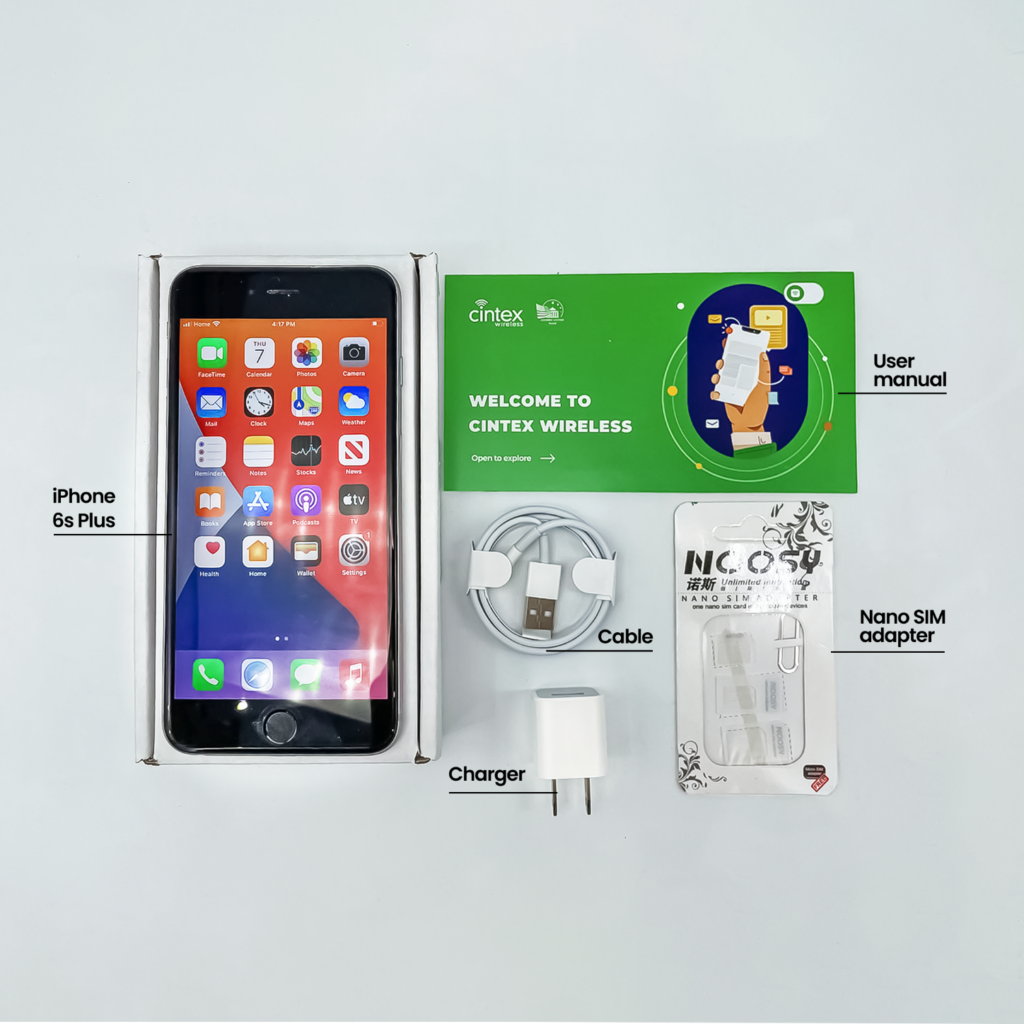
You can apply through AirTalk in four steps:
- Enter your ZIP code: Visit AirTalk Wireless and provide your ZIP code to check Lifeline availability in your area.
- Select a plan and device: Browse available Lifeline plans and device options, then choose an offer that fits your needs.
- Complete your application: Provide your information and proof of Medicaid participation, another qualifying program, or eligible household income. Upload supporting documents if requested.
- Submit and wait for approval: Submit your application and wait for the eligibility decision. If approved, follow the instructions to receive or activate your Lifeline-supported service.
DISCLAIMER: The government does not cover device costs, only basic service through Lifeline. Any free or discounted devices, upgrades, or top-ups are limited-time Cintex Wireless and AirTalk Wireless offers and may vary by state, eligibility, and availability. Terms and conditions apply.
Conclusion
So, does Medicaid cover couples therapy? It may, but coverage typically depends on your state, Medicaid plan, provider, and whether the counseling meets medical necessity requirements. Before starting therapy, check your behavioral health benefits and confirm that the therapist accepts your specific Medicaid plan.
If traditional couples counseling is not covered, alternatives such as community mental health centers, nonprofit organizations, university clinics, or sliding-scale services may offer more affordable options for relationship support.