
Medicaid may verify your financial information to determine whether you qualify, but that does not mean your bank account is being continuously monitored.
So, how often does Medicaid check your bank account? There is no national rule requiring Medicaid to check everyone’s bank account monthly, quarterly, or yearly. Reviews generally occur when financial verification is needed, such as during an application, renewal, a reported change, or when available information needs clarification.
1. Does Medicaid Check Your Bank Account?
Yes, Medicaid can verify bank account information when financial assets are relevant to your eligibility.
However, not every Medicaid applicant is subject to an asset test.
Most MAGI-based groups, including many children, pregnant people, parents, and expanded adults, generally qualify based on income rather than bank-account balances or other assets.
Asset verification is more relevant to certain non-MAGI Medicaid categories, including some programs for older adults, people with disabilities, and people seeking long-term-care coverage.
When the Checks Happen
Bank or asset verification is generally tied to an eligibility event rather than a fixed monitoring schedule.
It may happen during the initial application, at renewal, after you report a financial change, or when Medicaid receives information that requires further verification.
Also, financial information may be verified at the time of application, at renewal, and when a beneficiary reports changes between renewals.
Information Medicaid Can Access
States can use electronic data sources to verify financial information. For Medicaid categories that include an asset test, states may also use an Asset Verification System (AVS) to check available financial asset information.
If the electronic information is unavailable, incomplete, or inconsistent with what you reported, the agency may ask you for supporting documents such as bank statements.
This verification process is different from continuously monitoring your account. Medicaid generally checks financial information when it is needed to make or confirm an eligibility decision.

2. How Often Does Medicaid Check Your Bank Account?
There is no single nationwide frequency for how often does Medicaid check your bank account.
Medicaid does not normally check every beneficiary’s bank account every month, every quarter, or on another universal schedule.
Instead, how often does Medicaid check your bank account depends on your eligibility category and whether something triggers a need to verify your finances.
When You First Apply
Wonder how often does Medicaid check your bank account?
If your Medicaid category has an asset test, the state may verify bank balances and other countable resources when processing your first application.
Electronic verification may be used before the agency asks you to submit financial records manually.
During Medicaid Renewal
Financial information may be checked again when Medicaid reviews whether you remain eligible.
For beneficiaries whose Medicaid category includes an asset test, states may use current electronic asset information during an ex parte renewal, meaning the state first tries to determine eligibility using reliable information it already has.
CMS specifically requires states to use available Asset Verification System information for applicable non-MAGI renewals.
This means a bank-account check may occur around renewal for some beneficiaries, but not every Medicaid member is subject to an asset check, and a renewal does not automatically mean you must submit bank statements.
When Reported Information Doesn’t Match Electronic Data
Another review may happen if the financial information you report does not reasonably match information obtained from electronic sources.
Medicaid may then ask for additional documentation or an explanation before completing the eligibility determination.
When Your Circumstances Change
If you report a change in income, savings, property, or another financial factor that matters to your eligibility category, Medicaid may verify the updated information.
CMS allows states to use electronic data to verify financial information when beneficiaries report changes between regular renewals.
For those wondering how often does Medicaid check your bank account, the key point is that financial verification is generally event-based rather than continuous.
The agency may verify information when necessary, but that is different from monitoring every purchase, deposit, or withdrawal in real time.
>>>Read more: How Long Does It Take To Get Medicaid? Tips To Avoid Unnecessary Delays
3. What is the Medicaid Five-Year Look-Back Rule?
The Medicaid five-year look-back rule applies primarily to people applying for Medicaid coverage of long-term care.
It allows the state to review certain asset transfers made during the 60 months before the application to determine whether assets were transferred for less than fair market value.
The purpose is to prevent someone from giving away or transferring assets below fair value simply to meet Medicaid’s financial requirements for long-term-care coverage.
The look-back does not mean Medicaid automatically reviews every bank transaction made by every applicant.
Instead, the state may request financial records or other documentation when it needs to determine whether a potentially disqualifying transfer occurred.
Who Is Subject to the Look-Back?
The five-year look-back generally applies to applicants seeking Medicaid-funded institutional long-term care or certain home- and community-based long-term care services.
It is not a standard financial review applied to every Medicaid child, parent, pregnant member, or expansion adult.
What Financial Activity May Be Reviewed?
For a long-term-care application, the state may examine transfers involving cash, bank accounts, property, trusts, or other assets during the applicable 60-month period.
The focus is generally on transfers for less than fair market value, rather than ordinary spending or continuous monitoring of everyday account activity.
What are Medicaid Look-Back Period Violations and Penalties?
If an applicant transferred countable assets for less than fair market value during the applicable period, a penalty may delay Medicaid payment for certain long-term-care services.
The length and calculation depend on the transfer and state rules.
4. What Can Cause Problems During the Medicaid Look-Back Period?
The following issues mainly matter for people preparing to apply for Medicaid long-term care, not ordinary Medicaid beneficiaries whose eligibility does not involve the five-year rule.
- Gifts and Transfers
Giving away a large amount of money or other assets during the look-back period may be reviewed as a transfer for less than fair market value.
- Sell Assets Below Fair Market Value
Selling property, a vehicle, or another valuable asset for substantially less than its value can also raise eligibility questions because part of the asset’s value was effectively transferred.
- Transfer to Family Members
Moving money or property to children or other relatives does not automatically make the transaction acceptable under Medicaid long-term-care rules.
The state may still examine whether fair value was received.
- Exempt Transfers
Some transfers are allowed under federal or state Medicaid rules, including certain transfers involving spouses or people with disabilities.
These exceptions can be highly specific, so applicants should verify the rule before moving assets.
- What to Check Before Moving Assets
Anyone expecting to apply for Medicaid long-term care should review the applicable state rules before making major gifts or transfers.
Trying to reduce assets without understanding the look-back rules may create a penalty rather than help eligibility.
5. What Financial Information Might Medicaid Ask You to Verify?
Now you know how often does Medicaid check your bank account.
If your Medicaid category requires financial verification, the agency may ask for records when electronic information alone cannot confirm your eligibility.
Depending on your eligibility category and circumstances, requested documents may include:
- Recent bank statements
- Checking or savings account information
- Investment records
- Property information
- Trust documents
- Life-insurance cash value information
- Explanations or documentation for unusual deposits or asset transfers
CMS generally encourages states to use available electronic data before requesting additional documentation from applicants or beneficiaries.
Being asked for bank records does not necessarily mean Medicaid suspects wrongdoing. Often, the agency simply needs additional information to resolve a discrepancy or complete an eligibility decision.
>>>Read more: Medicaid Transportation Phone Number: How to Find Yours in 2026
6. Keeping Up With Medicaid Reviews? Make Sure You Can Receive Updates
Medicaid reviews can result in renewal notices, document requests, deadlines, or calls from the agency.
In these cases, owning a reliable telecommunication service can make it easier to respond before a missing update causes a coverage issue.
Luckily, people who already participate in Medicaid may also qualify for Lifeline, a federal program that helps eligible households reduce the cost of qualifying wireless service.
Medicaid participation is one pathway, while households may also qualify through income at or below 135% of the Federal Poverty Guidelines or through programs such as SNAP or SSI.
Lifeline service is offered through participating Eligible Telecommunications Carriers.
One reputable provider is Cintex Wireless, which is merging with AirTalk Wireless.
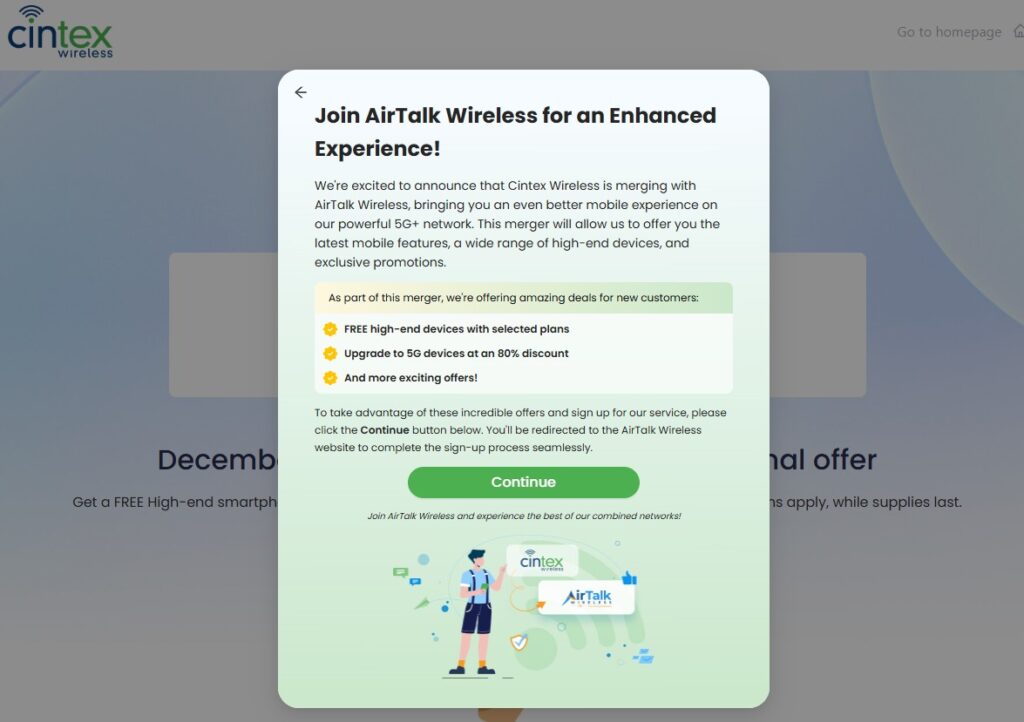
This merger brings qualifying applicants a more streamlined application process and lots of benefits, such as:
- Talk and text service
- Monthly mobile data
- International calling to supported destinations
- A SIM or compatible service option
- A free or discounted smartphone through provider promotions
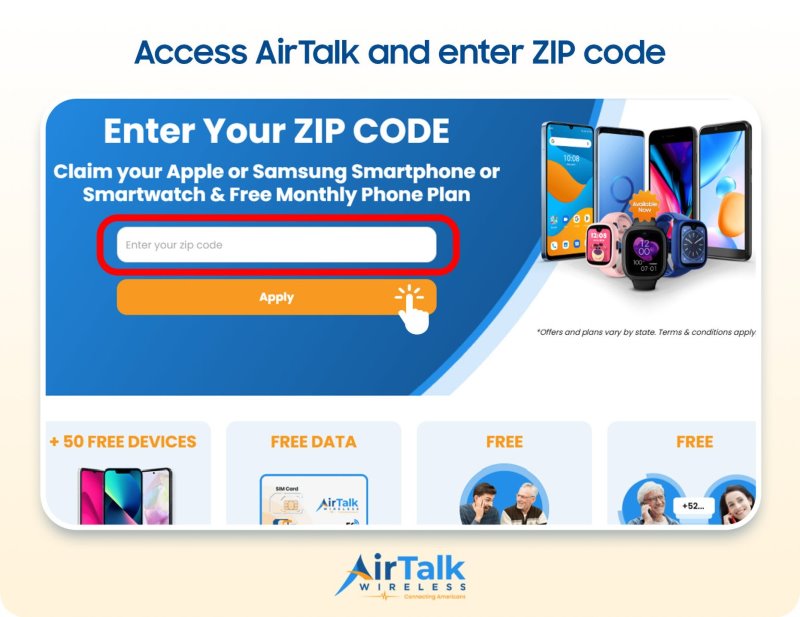
Plans and devices vary by location, eligibility, and current inventory. Also, the Lifeline benefit is limited to one household and is non-transferable.
DISCLAIMER: The government does not cover device costs, only basic service through Lifeline. Any free or discounted devices, upgrades, or top-ups are limited-time Cintex Wireless and AirTalk Wireless offers and may vary by state, eligibility, and availability. Terms and conditions apply.
Conclusion
Your bank account is not under a constant microscope just because you receive Medicaid.
How often does Medicaid check your bank account depends largely on the type of coverage you have and whether a renewal, reported change, or eligibility review calls for financial verification. For long-term-care Medicaid, the five-year look-back adds another layer by examining certain asset transfers.
The best approach is to keep your financial information accurate and respond when the state asks for documentation. That way, a routine eligibility check stays just that, a routine part of keeping your coverage on solid ground.