
Weight loss injections are now part of obesity treatment for many patients, but Medicaid coverage is far from uniform. A prescription that is covered in one state may be excluded or heavily restricted in another.
So, does Medicaid cover weight loss shots? Sometimes. The answer depends on the medication, why it is being prescribed, and the rules of your state Medicaid program.
1. What Are Weight Loss Shots?
Weight loss shots are injectable prescription medications used to support chronic weight management in eligible patients.
Many of the best-known options belong to the GLP-1 or related incretin drug class, which can reduce appetite, slow digestion, and help patients feel full for longer.
Common examples include Wegovy (semaglutide) and Zepbound (tirzepatide), both of which have FDA-approved indications for chronic weight management in certain adults and adolescents.
Other related drugs, such as Ozempic and Mounjaro, contain similar active ingredients but are approved primarily for diabetes rather than general weight loss.
These medications are usually intended to be used alongside changes in diet, physical activity, and other medical guidance rather than as stand-alone treatments.
2. Does Medicaid Cover Weight Loss Shots? State-by-state Guide
Medicaid coverage for weight loss medications varies significantly from state to state.
Federal Medicaid rules allow states substantial flexibility in whether they cover drugs used specifically for weight loss.
Thus, there is no nationwide requirement that every Medicaid program pay for Wegovy, Zepbound, or similar obesity medications.
Some states include one or more anti-obesity drugs on their Medicaid formularies, often with strict prior authorization. Others exclude drugs when prescribed solely for weight loss or limit coverage to particular diagnoses and patient groups.
Coverage policies can also change as states update their formularies and requirements. For this reason, the safest approach is to check your state’s current Medicaid preferred drug list and your managed care plan before starting treatment.

In practice, state policies generally fall into three broad patterns:
- Broader coverage: Certain obesity medications are covered when clinical criteria are met.
- Restricted coverage: Only selected drugs, diagnoses, or patient groups qualify, usually with prior authorization.
- Limited or excluded obesity coverage: Medication prescribed solely for weight loss may not be covered, even if the same or a related drug is covered for another FDA-approved condition.
Coverage note: Medicaid formularies, prior authorization requirements, and covered medications can change over time. The information above provides general guidance, so always confirm the current coverage rules with your state Medicaid program or health plan.
>>>Read more: Is Ketamine Treatment Covered By Medicaid? Important Facts You Should Know
3. When Does Medicaid Cover Weight Loss Shots?
Does Medicaid cover weight loss shots?
Coverage becomes more likely when the treatment fits a recognized Medicaid benefit and meets the plan’s clinical requirements.
When the State Covers Obesity Medications
Some state Medicaid programs cover FDA-approved anti-obesity drugs such as Wegovy and Zepbound.
Approval may still require a minimum BMI, documented obesity-related conditions, previous attempts at lifestyle treatment, or periodic evidence that the medication is working.
When the Drug Has Another Covered FDA-Approved Indication
A medication may be covered for a condition other than weight loss even when obesity treatment itself is excluded.
For example, Medicaid commonly covers GLP-1 medications approved for type 2 diabetes, while certain drugs now also have FDA-approved indications involving cardiovascular risk reduction or obstructive sleep apnea.
Coverage depends on whether the patient’s diagnosis matches that approved indication and the state’s formulary rules.
For Children and Adolescents Under EPSDT
Does Medicaid cover weight loss shots? Medicaid coverage can work differently for beneficiaries under 21 because of the Early and Periodic Screening, Diagnostic, and Treatment (EPSDT) benefit.
EPSDT requires states to provide medically necessary Medicaid-coverable services needed to correct or improve conditions identified through screening.
This can create a coverage pathway for medically necessary obesity treatment in eligible children and adolescents even when a state does not offer the same obesity-drug coverage to adults.
However, being under 21 does not automatically mean a particular weight loss shot will be covered. Medical necessity, the drug’s approved use, and the state’s Medicaid rules still matter.
4. What Can Affect Whether Medicaid Approves a Weight Loss Shot?
Approval rules vary, but several requirements appear frequently across Medicaid programs.
- Prior Authorization
Many plans require the prescriber to submit a prior authorization before Medicaid will pay for an anti-obesity medication.
The request usually includes the diagnosis, clinical history, weight information, and the rationale for the medication’s medical appropriateness.
- BMI and Clinical Criteria
A plan may require a minimum BMI or an obesity-related health condition before approving treatment.
The threshold can also differ depending on whether the patient has conditions such as hypertension, diabetes, or sleep apnea.
- Diagnosis and Indication
The diagnosis attached to the prescription matters because the same medication can follow different coverage rules depending on its FDA-approved indication.
For example, a Medicaid plan may cover a GLP-1 for type 2 diabetes or another covered indication even when it does not cover the same medication when prescribed solely for obesity treatment.
- Previous Treatment Requirements
Some Medicaid programs require evidence that the patient previously tried lifestyle interventions or other treatments.
Others may require a trial of a preferred medication before approving a more expensive option.
- Formulary or Preferred Drug Rules
A Medicaid program may cover only selected medications within the same class.
Even if one GLP-1 drug is covered, another may be non-preferred, excluded, or subject to additional authorization requirements.
5. What to Do if Your State’s Medicaid Doesn’t Cover Weight Loss Shots?
A Medicaid denial does not necessarily mean there are no remaining options.
Instead, you should start by asking why the prescription was denied, because the next step depends on whether the issue is an exclusion, missing prior authorization, an unmet clinical requirement, or the choice of medication.
Your prescriber may be able to submit additional documentation, request an exception, or appeal the decision.
If another FDA-approved drug is preferred by the Medicaid plan, switching medications may also be possible when medically appropriate.
Patients can also ask about:
- Another covered obesity medication
- A preferred medication on the Medicaid formulary
- Nutrition or behavioral weight-management programs
- Whether an FDA-approved alternative fits their medical condition
- Manufacturer assistance programs, when eligibility requirements allow
- Other insurance coverage that may be available
A different GLP-1 should not be chosen simply because it appears cheaper or easier to obtain. The appropriate medication depends on your diagnosis, medical history, other medications, and the drug’s approved use, so any change should be discussed with your healthcare provider.
6. How People Can Access Health Care with Lifeline Program
Weight-management treatment can involve pharmacy calls, prior authorization updates, follow-up appointments, lab results, and regular communication with healthcare providers.
Hence, for Medicaid members, reliable phone service can be part of staying on top of care.
Notably, Medicaid participation is one of the eligibility pathways for Lifeline, a federal program that helps qualifying households reduce the cost of eligible phone service or internet service.
People can also qualify through income or participation in programs such as SNAP or SSI.
Lifeline service is provided through participating Eligible Telecommunications Carriers (ETCs). The service is non-transferable and limited to one service per household.
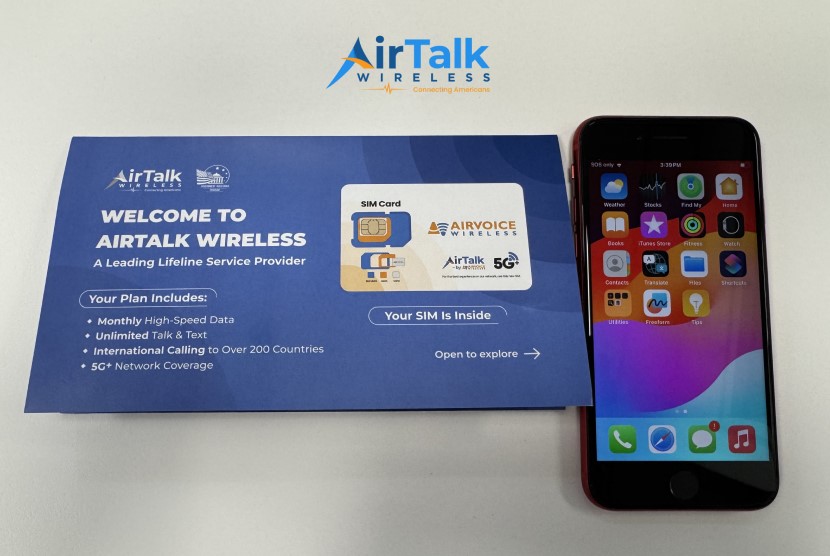
Cintex Wireless, as one of the mentioned ETCs, is merging with AirTalk Wireless, where qualifying applicants may have access to benefits such as:
- Talk and text service
- Monthly mobile data
- International calling to supported destinations
- A SIM or compatible service option
- A free or discounted smartphone through provider promotions
The application generally involves checking service availability by ZIP code, reviewing current plans, completing eligibility verification, and submitting supporting documents if needed.
DISCLAIMER: The government does not cover device costs, only basic service through Lifeline. Any free or discounted devices, upgrades, or top-ups are limited-time Cintex Wireless and AirTalk Wireless offers and may vary by state, eligibility, and availability. Terms and conditions apply.
7. FAQs
Does Medicaid cover Ozempic for weight loss?
Medicaid typically does not cover Ozempic when it is prescribed solely for weight loss. Ozempic is FDA-approved for type 2 diabetes and certain cardiovascular-risk indications rather than general obesity treatment. Coverage may be available when the prescription matches an approved diagnosis.
Are other GLP-1 medications covered by Medicaid?
Some GLP-1 medications are covered by Medicaid, but coverage varies by state, medication, and indication. Drugs used for diabetes often have broader Medicaid coverage than medications prescribed specifically for obesity.
Is Medicaid coverage for weight loss medication changing?
Yes. State formularies, prior authorization rules, and covered obesity treatments continue to change, so members should check their current Medicaid drug list rather than relying on an older coverage guide.
Conclusion
In short, does Medicaid cover weight loss shots? It can, but state rules and the reason for treatment matter just as much as the drug itself.
Before assuming a prescription is covered or excluded, check the Medicaid formulary, confirm the diagnosis being used, and ask whether prior authorization or another covered option is available.