Does Medicaid cover wheelchair lifts for home or vehicle use? The short answer is yes, but coverage is rarely provided through standard Medicaid health plans or basic medical equipment benefits.
This guide explains which Medicaid waivers cover wheelchair lifts, how to compile the required clinical documentation, and what action steps to take if your initial authorization is denied.
1. Does Medicaid Cover Wheelchair Lifts?
Medicaid may pay for a wheelchair lift under specific waiver programs, but approval depends on your state, your program enrollment, and the exact lift type required.
- Home Platform Lifts: Vertical platform lifts (VPLs) raise a user and wheelchair between levels, such as from a driveway to a porch. These are typically covered under HCBS Environmental Accessibility Adaptation benefits rather than standard equipment rules.
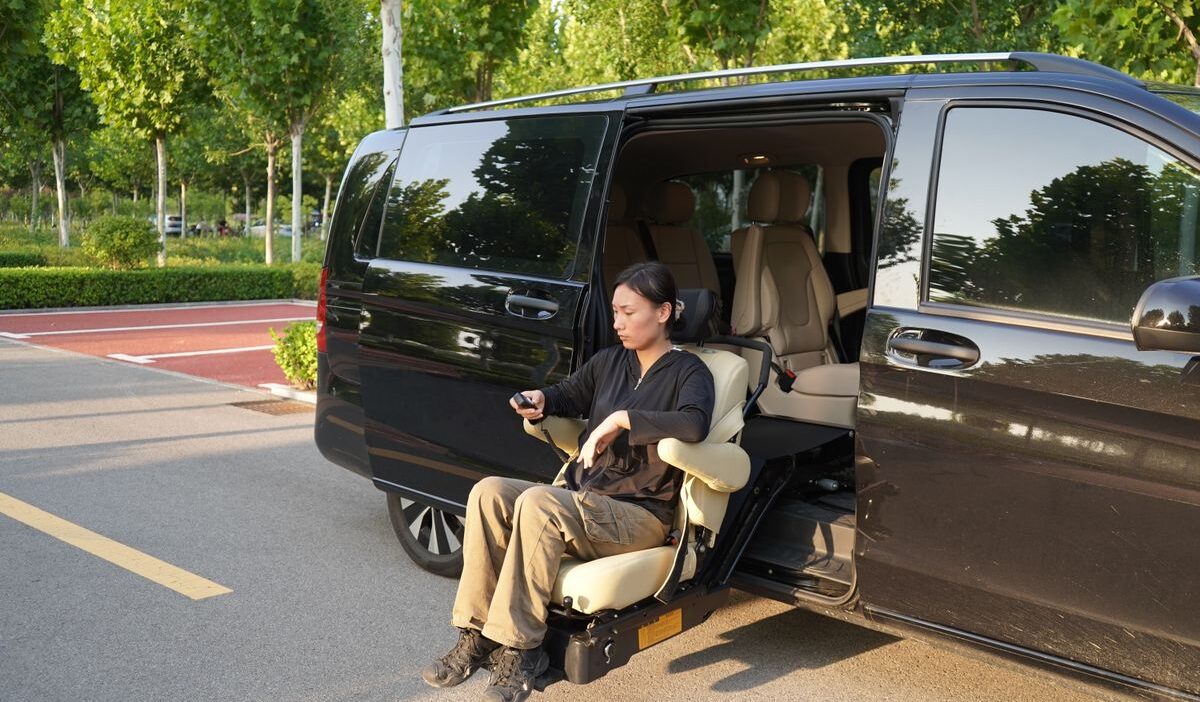
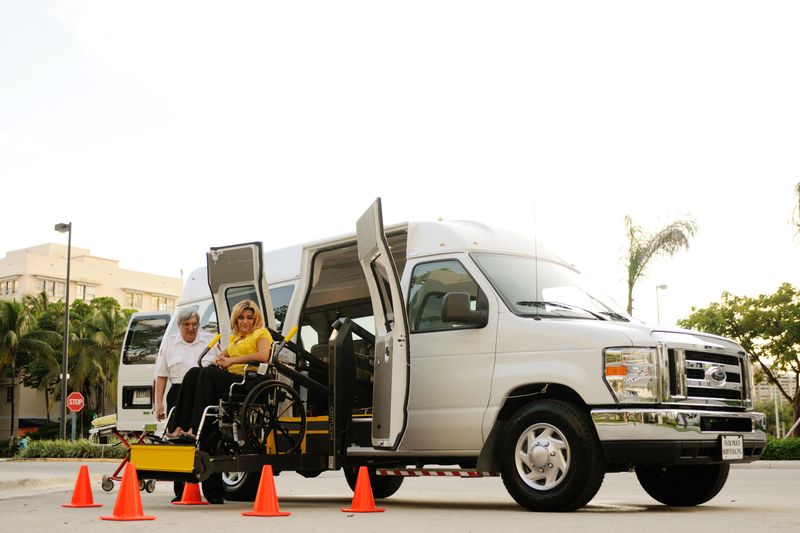
- Vehicle-Mounted Lifts: These devices lift wheelchairs into a van or secure them for transport. Coverage falls under state-specific vehicle modification benefits, which maintain separate rules and funding caps from home adaptations.
- Portable Wheelchair Lifts: Portable or temporary lifts require explicit prior authorization. Medicaid plans evaluate whether a permanent modification or simpler alternative better suits the documented home environment.
2. When Does Medicaid Cover Wheelchair Lifts?
Once you have identified the type of lift, the next step in answering does Medicaid cover wheelchair lifts is to check whether your circumstances meet an available benefit’s rules.
States design their HCBS programs within federal guidelines, so there is no single approval checklist that applies everywhere.
The Lift Is Medically Necessary
The request should explain the person’s mobility limitations and why the proposed lift is needed.
A clinician’s letter may describe why an entrance, staircase, or vehicle cannot be used safely under the current arrangement. A prescription or letter supports a request; it does not, by itself, establish coverage.
It Supports Safe Access and Independent Living
An assessment can connect the equipment to a specific daily need, such as entering the home for appointments or using an accessible vehicle.
It should also explain why a simpler or less costly option would not adequately address the barrier, if the program asks for that comparison.
It Is Included in an Eligible Medicaid or HCBS Program
Even a well-documented need must fit a benefit available to the applicant. Medicaid’s HCBS programs serve different groups, including older adults and people with physical or developmental disabilities; individual program eligibility and covered services vary.
The Request Receives Prior Authorization
Ask the plan or case manager whether approval is required before ordering equipment or scheduling installation.
Find out who submits the request and whether the authorization must separately include the lift, site work, and labor.
An Approved Provider Installs the Equipment
The program may require a participating supplier or qualified installer. Confirm provider requirements and the approved scope of work in writing. When you ask does Medicaid cover wheelchair lifts, ask about the complete project cost as well as the equipment itself.
3. Which Medicaid Programs May Help Pay for a Wheelchair Lift?
When asking does Medicaid cover wheelchair lifts, look beyond your Medicaid card to the specific benefit that might pay for the equipment.
The programs below are useful places to start, but their names, enrollment rules, and covered modifications differ by state.
Home and Community-Based Services Waivers
HCBS waivers can provide long-term services and supports to eligible people living in their homes or communities.
Some state programs list home accessibility adaptations, vehicle modifications, or both. The presence of a benefit in one state’s waiver does not mean it is available in another.
Medicaid Long-Term Services and Supports
If you receive long-term services and supports, ask your case manager whether an accessibility modification can be considered under your service plan.
The assessment and plan may need to show how the lift supports your care and ability to live in the community.
Programs for Older Adults or People with Disabilities
States may operate programs for age groups or disability-related needs. For example, Medicaid’s South Dakota waiver factsheet lists environmental accessibility adaptations and vehicle modification services for specified eligible groups. It illustrates why checking your own state’s program is essential.
State Vehicle Modification Benefits
If the lift belongs in a vehicle, ask specifically about a vehicle modification benefit.
Home adaptation approval does not automatically extend to a van, and a transportation benefit may have different rules from a modification benefit.
Your state Medicaid agency or managed care plan can identify the applicable program and its current requirements.
4. How to Apply for Medicaid Wheelchair Lift Coverage?
If you are still asking does Medicaid cover wheelchair lifts under my plan, begin with a benefit check. The steps below help you build a request around the equipment and access barrier you actually need addressed.
- Contact Your Case Manager: Confirm whether your current waiver or plan includes environmental accessibility or vehicle modification benefits.
- Schedule a Functional Assessment: Have an OT or PT inspect your home or vehicle to document physical barriers and recommend precise lift specifications.
- Obtain Clinical Documentation: Secure a detailed letter of medical necessity and prescription from your treating physician.
- Request Itemized Quotes: Get written estimates covering equipment, labor, and structural preparation from Medicaid-certified installers.
- Submit for Prior Authorization: Ensure your case manager submits all clinical reports, OT assessments, and contractor quotes before purchasing equipment or starting construction.
Do not pay for installation on the assumption that Medicaid will reimburse you later. First obtain a written decision that identifies what, if anything, the program authorizes.
>>> Read More: Missouri Medicaid Income Limits: How Much Can You Make?
5. What If Medicaid Denies or Only Partially Covers the Lift?
A decision may approve the equipment but leave installation or other work unresolved. Read the notice closely before changing the request or paying the difference yourself.
Check Which Costs Were Approved
Compare the written decision with the supplier’s itemized estimate. Check whether it addresses the lift, installation, structural or vehicle work, and any separately quoted components. Ask the plan to clarify any unclear amount or service.
Ask Why the Request Was Denied
Find out whether the issue was program eligibility, medical documentation, the proposed model, the supplier, or a service the plan does not cover. A specific reason gives your care team a clearer path for responding.
Submit Additional Documentation or Appeal
An updated assessment or clinician’s explanation may address missing evidence. If you disagree with the decision, follow the appeal instructions and deadline on your notice; managed care members have appeal rights under Medicaid rules. Keep a copy of everything you submit.
Explore Other Funding Options
Ask your case manager about another eligible Medicaid program or an alternative accessibility solution.
You can also ask a local disability organization, aging agency, or vocational rehabilitation office whether it knows of assistance suited to your circumstances. Availability and eligibility must be checked separately.
6. Keep Your Wheelchair Lift Request Moving Forward
Coverage for wheelchair lifts through Medicaid usually comes down to medical necessity, a doctor’s documentation, and the specific rules your state has in place, so it’s not something you can assume is automatically included.
Since you’re already checking into one benefit, it’s worth pulling up another while you’re at it: the Federal Lifeline Program, which lowers what you pay each month for phone or internet service.
Medicaid does not stop at healthcare. Its eligibility rules were built broadly enough that they open doors to other forms of support too, and Lifeline is one of the clearest examples.
Qualify for Medicaid, and there’s a strong chance you’ve already qualified for this as well. No Medicaid? The income threshold by itself works, and so does enrollment in SSI, SNAP, or Section 8.
The one rule that doesn’t bend: a single discount per household, tied to that household alone.
The government sets up and funds the discount through Lifeline, but delivering it to actual households is handled by approved carriers. That’s where Cintex Wireless comes in, one of the Eligible Telecommunications Carriers responsible for putting the benefit into someone’s hands.
Cintex Wireless, now merged with AirTalk Wireless, combines the standard monthly savings with a free or discounted device, and the merger brought a wider catalog of phones for eligible participants to choose from.
Here’s what that adds up to once you’re approved:
- A phone or tablet, free or at a reduced cost
- Monthly data with talk and text included
- International calling
- No contracts, credit checks, or activation fees to deal with
Note: Eligibility varies by state and program. Offers depend on availability and qualifications. AirTalk Wireless and Cintex Wireless operate under the federal Lifeline Program as an Eligible Telecommunications Carrier (ETC). Service is non-transferable and limited to one service per household.
7. FAQs About Medicaid Wheelchair Lift Coverage
Does Medicaid Cover a Wheelchair Lift for a Vehicle?
Medicaid may cover vehicle-mounted lifts through state vehicle modification benefits, provided the vehicle meets program age and mileage standards and the lift is approved before installation.
Does Medicaid Cover Wheelchair Ramps?
No. Standard DME coverage is generally restricted to items used inside the home for medical treatment. Wheelchair lifts are usually classified under HCBS waiver modification benefits instead.
Can Medicaid Pay to Repair or Replace a Wheelchair Lift?
Yes, if the original lift was authorized through Medicaid and remains within its covered service life. Repair requests require an itemized estimate from an approved vendor and prior plan authorization.
Conclusion
The answer to does Medicaid cover wheelchair lifts depends on the type of lift, your state’s benefits, and approval of your specific request. An eligible program may help pay for a home accessibility or vehicle modification when the need is documented.
Identify the exact lift, check your program’s rules, and obtain written authorization before installation. If the decision falls short, compare it with the estimate and follow the notice’s appeal instructions to address the specific issue.