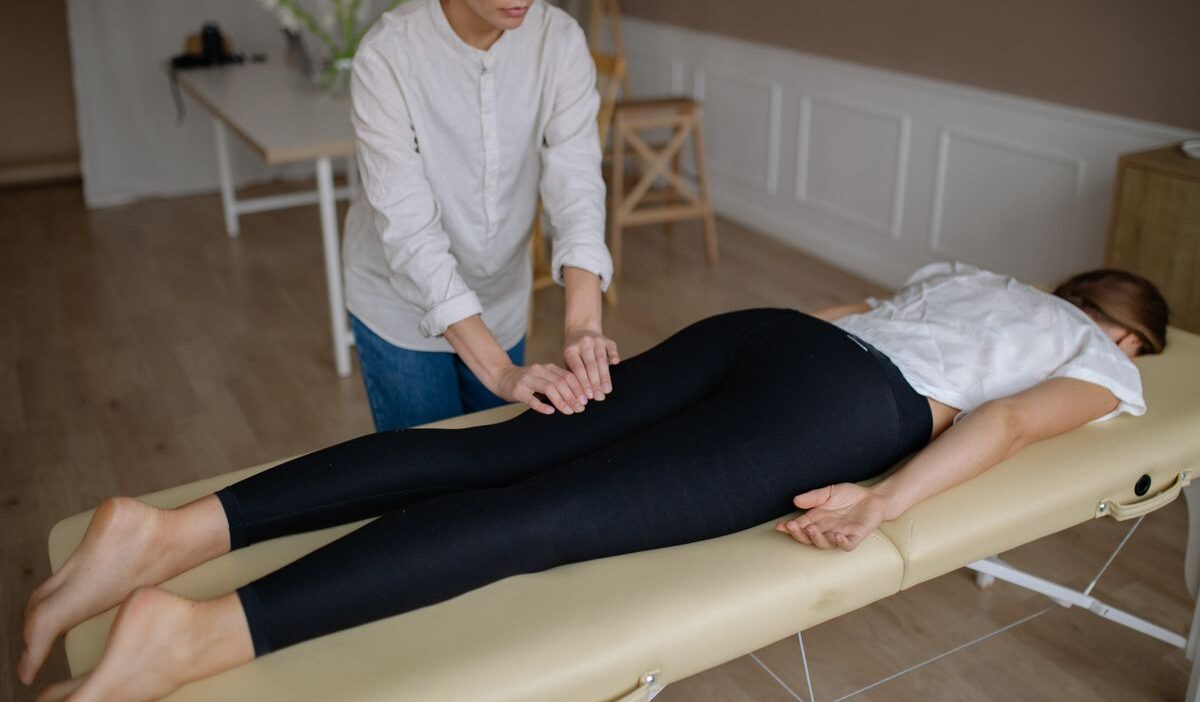
Does Medicaid cover massage therapy? Sometimes, but coverage depends on your state, Medicaid plan, and the type of massage being requested. Some programs may cover massage in specific circumstances, while others exclude it entirely.
Before booking an appointment or paying out of pocket, it helps to understand when coverage may apply, what requirements you may need to meet, and how to verify your benefits. Keep reading to find out what your Medicaid plan may cover and what to do if massage therapy isn’t included.
1. Does Medicaid Cover Massage Therapy?
Sometimes, but Medicaid does not have a nationwide benefit that covers massage therapy in every state. Each state determines which services it covers within federal Medicaid rules, and some states may offer massage therapy through specific programs or waivers while others exclude it.
A standalone massage for relaxation or general wellness is generally not the same as a covered Medicaid treatment. Coverage, when available, may depend on the specific Medicaid program, medical need, provider qualifications, and any authorization requirements.
For example, a state may offer massage therapy through an HCBS waiver for a specific population without making massage a standard benefit for every Medicaid member. Colorado currently provides massage therapy through certain HCBS waivers, illustrating why you need to check your specific program rather than rely on a nationwide answer.
So, does Medicaid cover massage therapy in your situation? The answer needs to be confirmed with your state Medicaid agency or health plan based on the exact service, provider, and program involved.
2. When Might Medicaid Help Pay for Massage Therapy?
Whether Medicaid covers massage therapy depends on your specific program and the treatment being requested. A doctor’s recommendation can support a coverage request, but it does not guarantee payment.
Coverage may be possible when:
- Massage is included in a covered benefit or waiver: Some Medicaid programs cover massage for specific populations or circumstances.
- Medical necessity is documented: Your provider may need to explain your diagnosis, symptoms, treatment goals, and why the service is appropriate.
- The provider and treatment meet plan requirements: The therapist may need to participate in your Medicaid plan, and prior authorization may be required before treatment begins.
- Ask your plan to confirm the exact service, provider requirements, and approval rules before scheduling treatment.
3. How to Check Your Medicaid Plan’s Massage Therapy Coverage?
The fastest way to resolve does Medicaid cover massage therapy for you is to ask about a specific proposed service. A general question about massage can produce a general answer that misses restrictions on provider type, billing, or authorization.
- Review your member handbook: Look for massage, rehabilitation, physical therapy, exclusions, visit limits, and authorization requirements.
- Call Member Services: Use the number on your Medicaid card and ask whether the proposed service and provider are covered under your plan.
- Confirm provider participation: Ask the therapist whether they accept your specific Medicaid plan and can bill Medicaid for the exact service.
- Check prior authorization: If approval is required, find out who submits the request and wait for confirmation before beginning treatment.
>>> Read More: Medicaid Annuity: How It Works for Long-Term Care Eligibility
4. What If Medicaid Doesn’t Cover Massage Therapy?
If the answer to does Medicaid cover massage therapy is no for your proposed appointment, you may still have other ways to address pain or limited mobility. First find out why payment is unavailable, then discuss options that suit your health needs and budget.
Check Your Expected Out-of-Pocket Cost
Before agreeing to self-pay, request the full price per visit and the expected number of sessions.
Ask about cancellation fees and whether the provider offers a written estimate. Do not assume Medicaid will reimburse a visit you paid for yourself, particularly if you booked it before resolving coverage or authorization.
Ask About Covered Alternatives
Tell your treating clinician and plan what you hope to improve, such as movement, daily function or pain.
Ask which covered services could address that goal and whether you need a referral. The right alternative depends on your condition; a lower-cost service is useful only if it is appropriate for you.
Consider Physical or Occupational Therapy
Physical or occupational therapy may be alternatives when your goal is to improve movement, strength, function, or daily activities.
Medicaid recognizes these as benefit categories that states may choose to cover, but specific coverage, visit limits, provider requirements, and authorization rules vary by state and plan.
Ask your clinician whether either service fits your condition and confirm with your Medicaid plan that the recommended treatment is covered before scheduling it.
Ask About Other Pain Management Services
Depending on the cause of your symptoms, your care team may discuss evaluation, medication, rehabilitation, or other treatments.
Ask how the available choices compare for your condition, including possible risks and follow-up needs. Avoid replacing an established treatment plan with massage without speaking to the clinician managing your care.
Explore Community or Lower-Cost Options
If you still want massage and it is medically appropriate, compare prices at local clinics or ask about reduced-fee programs.
Check the practitioner’s credentials and understand that a discounted self-pay visit remains separate from Medicaid coverage. This is especially useful when your plan has clearly confirmed that the service is excluded.
5. Keep Important Coverage Conversations Within Reach
Checking does Medicaid cover massage therapy may involve calls with your plan, your doctor, and the treating provider. And reliable connectivity can help you navigate through the task effectively. What’s more is that the connectivity doesn’t have to be expensive.
Lifeline, a government assistance program, can lower the cost of eligible phone service or internet service through a monthly discount.
Eligibility is based on household income or participation in another qualifying assistance program like Medicaid, SNAP, SSI, etc., may also qualify
Lifeline generally allows one benefit per household, subject to its rules.
Importantly, instead of providing the communication support directly, Lifeline works with Eligible Telecommunications Carriers (ETCs) to handle the enrollment and discount delivery. And those ETCs often offer more than just the Lifeline-discounted service
One perfect example is Cintex Wireless, an ETC that offers qualifying consumers a way to explore Lifeline-supported service. A free or discounted device may be available with an eligible offer, depending on location, inventory, and current terms.
Update: Cintex Wireless has merged into AirTalk Wireless. This gives eligible consumers a wider selection of phones.
After confirming your eligibility, you can apply for your benefit. A typical benefit package may include:
- Free or discounted phone or tablet
- Unlimited talk and text bundled with monthly data
- The option to call internationally
- Zero contracts, credit checks, or activation fees standing in the way
IMPORTANT: The government does not subsidize devices. Lifeline programs cover basic service costs only. Free or discounted devices, upgrade plans, or top-ups are exclusive benefits provided by AirTalk Wireless and Cintex Wireless as part of the promotional offers. Terms and conditions apply. Limited-time promotion offers vary by state, stock availability, and eligibility.
6. FAQs About Medicaid and Massage Therapy
The answer to does Medicaid cover massage therapy often changes with your specific benefit and the details of the proposed treatment. These three questions can help you avoid booking care based on an assumption.
Does Medicaid Cover Medical Massage Prescribed by a Doctor?
A prescription may help explain why treatment is needed, but it does not guarantee coverage. Your plan must cover the proposed service, and its provider, documentation and authorization requirements must be met. Ask the plan to confirm how it classifies and pays for the prescribed care.
Can I Choose Any Massage Therapist with Medicaid?
Usually, you cannot assume any therapist will qualify. If your plan covers the service, it may restrict payment to certain provider types or participating providers. Verify both the therapist’s status and their ability to bill your plan for the exact treatment before the appointment.
Does Medicaid Cover Massage Therapy for Chronic Back Pain?
Chronic back pain alone does not establish a massage benefit. Your clinician can assess appropriate treatment, while your plan can confirm whether a proposed massage service, or another form of care is covered. Ask about medical necessity, provider rules and prior authorization before starting sessions.
Conclusion
The practical answer to does Medicaid cover massage therapy is that it depends on your specific Medicaid program, not simply on whether a doctor recommends massage.
Some Medicaid programs or waivers cover massage therapy for defined populations and purposes, while others exclude it entirely. Before booking a session, confirm the benefit, provider requirements, and any authorization rules with your Medicaid plan. If massage is not covered, ask your care team about other covered treatments that may address the same health goal.