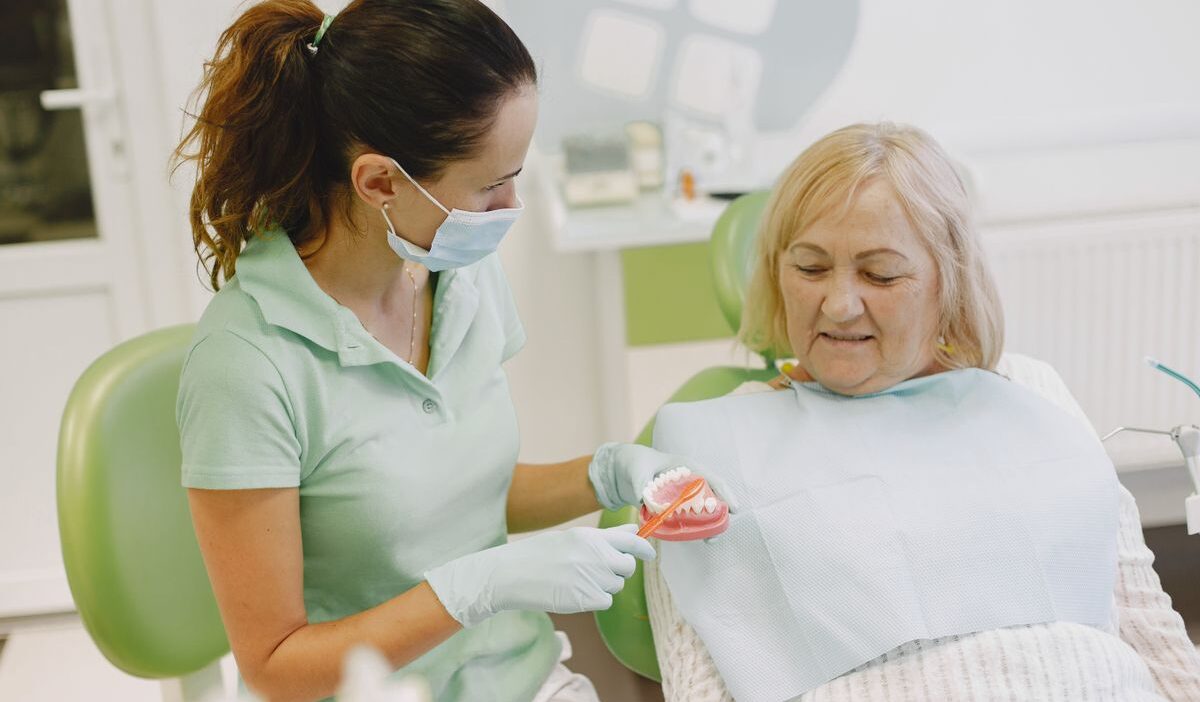
Dental pain can make it hard to eat, sleep or wait for an appointment. If you’re asking what does Medicaid cover for dental for adults in Texas, the answer depends on more than having a Medicaid card.
This guide explains where dental benefits may be available, which routine services need closer checking, and how to confirm coverage before receiving care. It also outlines practical options if the treatment you need is not covered.
1. What Does Medicaid Cover for Dental for Adults in Texas?
For most adults asking what does Medicaid cover for dental for adults in Texas, the key point is that Texas Medicaid does not provide a comprehensive routine dental benefit for adults age 21 and older.
However, certain dental services may be available through another Medicaid benefit, an eligible long-term care program such as STAR+PLUS HCBS, or an additional benefit offered by a managed care plan. Each pathway has its own eligibility and coverage rules.
Texas Health and Human Services states that its regular Medicaid dental services are available to members age 20 or younger; adults should therefore check their specific source of coverage before scheduling treatment.
Emergency dental treatment
Severe swelling, uncontrolled bleeding or an injury involving the mouth may need urgent medical attention. A hospital may evaluate and treat a covered medical emergency, but that does not mean Medicaid will pay for every dental procedure needed afterward.
If symptoms are urgent, seek appropriate care first; then ask the health plan which follow-up services and providers are covered.
Medically necessary oral surgery
Some procedures involving the mouth or jaw may be considered under a medical or surgical benefit rather than a routine dental benefit. Whether the service is covered depends on the diagnosis, procedure, treatment setting, provider, and applicable plan rules.
A surgeon‘s recommendation alone does not establish coverage. Before treatment, ask the provider and your health plan which benefit applies and whether prior authorization is required.
Dental care connected to a medical condition
A medical condition may affect how dental treatment is planned, but it does not automatically turn an uncovered dental service into a covered one. Ask the treating clinician to explain the medical need and have the plan review the proposed service under the appropriate benefit.
Benefits through a specific program or plan
Some adults have another possible route to dental care. STAR+PLUS Home and Community-Based Services (HCBS) includes dental services for eligible members, while managed care plans may offer additional benefits that differ by plan and service area. The member’s enrollment, approved services and current plan terms determine what is available.
2. Which Routine Dental Services May Not Be Covered for Texas Adults?
When people ask what does Medicaid cover for dental for adults in Texas, routine dental care is often where the confusion begins.
A dentist accepting Medicaid does not necessarily mean that an adult member has coverage for every service the dentist provides. Check each proposed treatment against your specific Medicaid program or plan. Pasted text
- Exams and cleanings: Do not assume routine checkups or cleanings are included in standard adult Medicaid coverage. Check whether your specific program or managed care plan offers these services.
- X-rays and preventive treatments: Ask whether the requested X-rays, fluoride treatment, or other preventive service is covered under your specific benefit.
- Fillings, crowns, and root canals: Coverage for one procedure does not establish coverage for another. Confirm each proposed procedure before treatment begins.
- Dentures and other prosthetic services: Confirm eligibility, service limits, authorization requirements, and your potential out-of-pocket responsibility before treatment starts.
An eligible waiver service or a managed care plan’s extra benefit may create an exception. Texas publishes STAR+PLUS plan comparison charts, but the member handbook and plan can confirm the terms that apply to your treatment.
3. Who May Have Additional Dental Coverage Through Texas Medicaid?
To answer what does Medicaid cover for dental for adults in Texas in your situation, first identify which benefit could pay for care. Program names can point you in the right direction, but enrollment in a program does not guarantee approval for a proposed procedure.
STAR+PLUS members receiving HCBS
Some adults may have another route to dental coverage through STAR+PLUS Home and Community-Based Services (HCBS). Dental services may be available to members who meet the program’s requirements and have the service approved as part of their individual service plan.
Being enrolled in STAR+PLUS alone does not automatically mean that HCBS dental services are covered. If you receive STAR+PLUS HCBS, ask your service coordinator whether dental services are included in your approved plan of care.
Members with an extra plan benefit
Some Medicaid managed care plans may offer dental-related extra benefits for eligible adult members. The available benefit can vary by plan, service area, enrollment category, and plan year.
Check your current member handbook or contact Member Services to confirm what is included, whether there are dollar or visit limits, and whether the benefit uses a separate dental network.
Adults needing urgent or medically necessary care
An adult without a routine dental benefit may still need evaluation for a medical emergency or a potentially covered medical procedure involving the mouth or jaw. The health plan must assess the specific service under its rules. “Emergency” and “medically necessary” are reasons to request that assessment, not promises that a dental bill will be paid.
>>> Read More: Medicaid Waiver Florida: Income Limits and How to Apply?
4. How to Check Whether Texas Medicaid Covers Your Dental Treatment?
The most reliable way to answer what does Medicaid cover for dental for adults in Texas is to check the specific treatment you need against your current benefit. Have the dentist’s name, diagnosis, proposed procedure, and expected treatment date available when you contact your plan.
Review your handbook and call your plan
Find the dental, medical and extra-benefit sections of your current member handbook. Call the Member Services number on your plan card and ask which benefit would apply to each proposed procedure.
Confirm service limits, any required referral or prior authorization, and whether you could owe anything for care the plan does not cover. Record the representative’s name, call date and reference number.
Have the dentist verify the treatment
Ask the office to check your eligibility and benefits using the proposed procedure codes. Find out whether the office participates in the network for that benefit, will request authorization if needed, and can provide a written estimate for any noncovered work.
Benefit verification is helpful, but an authorization or written coverage decision offers a clearer basis for planning treatment.
Find a dentist who accepts your specific plan
Search your health plan’s provider directory, then contact Member Services for help if the results are limited. Call each office directly and ask: “Do you accept my specific Texas Medicaid plan, are you taking adult patients, and can you provide this service under my benefit?”.
A directory listing may be out of date. Community health centers and dental schools can also tell you whether they accept your coverage or offer another payment option.
Obtain confirmation before treatment whenever possible. If the care is urgent, explain the symptoms when you call so the plan and provider can direct you to an appropriate setting.
5. What If Texas Medicaid Doesn’t Cover Your Dental Service?
A “not covered” response does not always mean the treatment is permanently unavailable. The issue could be a missing authorization, an out-of-network provider, an unavailable benefit, or insufficient documentation.
Ask for the reason in writing: Request a coverage decision or denial that identifies the service and reason. If you disagree with a formal denial, follow the appeal instructions and deadline on the notice.
Look for lower-cost alternatives: Community health centers, dental schools, and local dental programs may offer reduced-cost care. Before agreeing to treatment, request a written estimate showing the expected cost of each service.
6. Keep Important Dental Care Conversations Within Reach
Checking what does Medicaid cover for dental for adults in Texas may involve several calls to a health plan, dentist, or service coordinator. Reliable phone service helps manage all those tasks.
Fortunately, Lifeline is a government assistance program that helps eligible households lower communication costs through a monthly discount.
Medicaid participation is one way to qualify; household income or participation in another qualifying assistance program may also provide a route.
Lifeline generally allows one benefit per household, and eligibility must be verified.
Lifeline benefits are delivered through participating Eligible Telecommunications Carriers (ETCs).
Cintex Wireless is one of those ETCs, offers an enrollment route, and may offer free or discounted phone options to eligible applicants, subject to availability.
Notably, Cintex Wireless has merged into AirTalk Wireless, giving applicants a unified place to explore available service and device choices.

IMPORTANT: The government does not subsidize devices. Lifeline programs cover basic service costs only. Free or discounted devices, upgrade plans, or top-ups are exclusive benefits provided by AirTalk Wireless and Cintex Wireless as part of the promotional offers. Terms and conditions apply. Limited-time promotion—offers vary by state, stock availability, and eligibility.
Conclusion
The answer to what does Medicaid cover for dental for adults in Texas depends on your specific Medicaid program, health plan, and the treatment you need. Standard Medicaid does not provide comprehensive routine dental coverage for most adults, but certain members may have access to dental services through STAR+PLUS HCBS, managed care plan extras, or another applicable medical benefit.
Before scheduling treatment, confirm the exact procedure, provider participation, authorization requirements, and benefit that applies. Getting that information in advance can give you a clearer picture of what Medicaid may cover and what costs you may need to handle yourself.