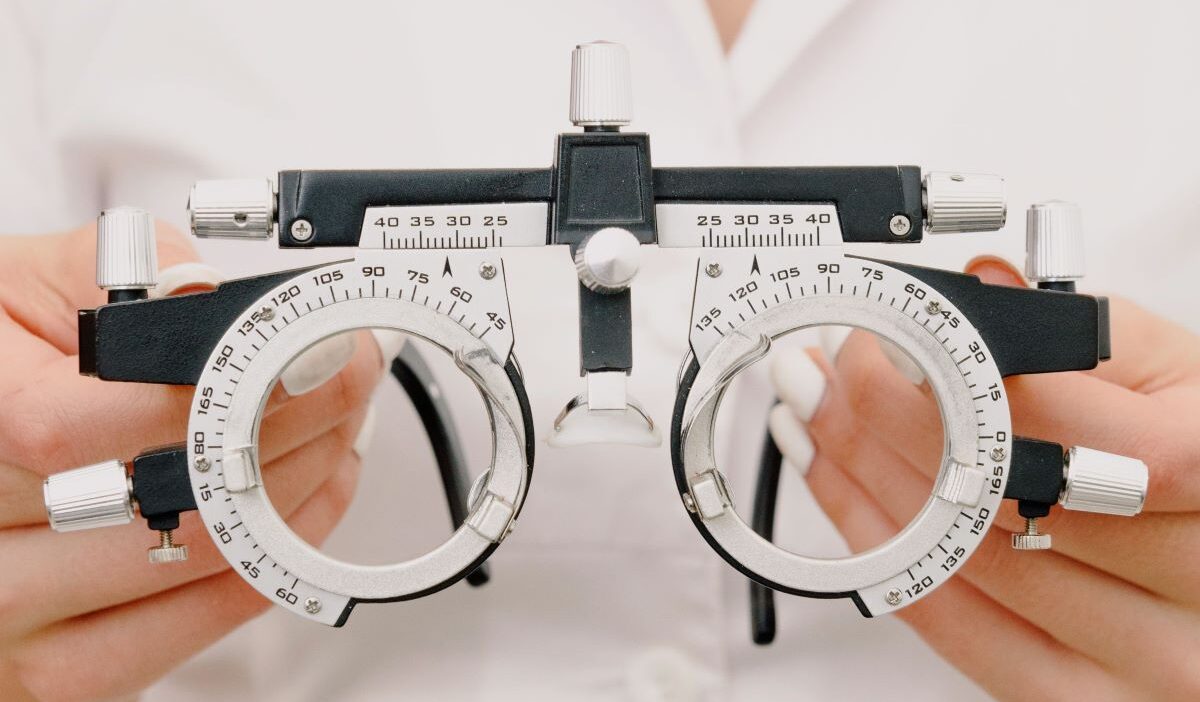
Eye exams and prescription glasses can be expensive, especially when you need to keep up with changes in your vision. If you have Medi-Cal, knowing which services your coverage includes can help you plan for these costs and avoid unexpected bills.
So, does MediCal cover vision care, and what does the 24-month rule mean if you need new glasses sooner? Here’s what to know before scheduling an appointment.
1. Does MediCal Cover Vision?
Yes. Medi-Cal covers vision care for members with full-scope benefits.
Covered services include routine eye exams, prescription eyeglasses, and certain specialized services for members who meet the program’s requirements.
The standard benefit schedule allows for a routine eye exam and eyeglasses once every 24 months. However, this schedule does not apply to every vision-related need. Medi-Cal may cover more frequent eye exams when they are medically necessary, such as when you experience eye pain or blurred vision.
Vision services must generally be obtained through providers who accept your Medi-Cal coverage. Before scheduling an appointment, check your benefits and confirm that the provider is in your network.
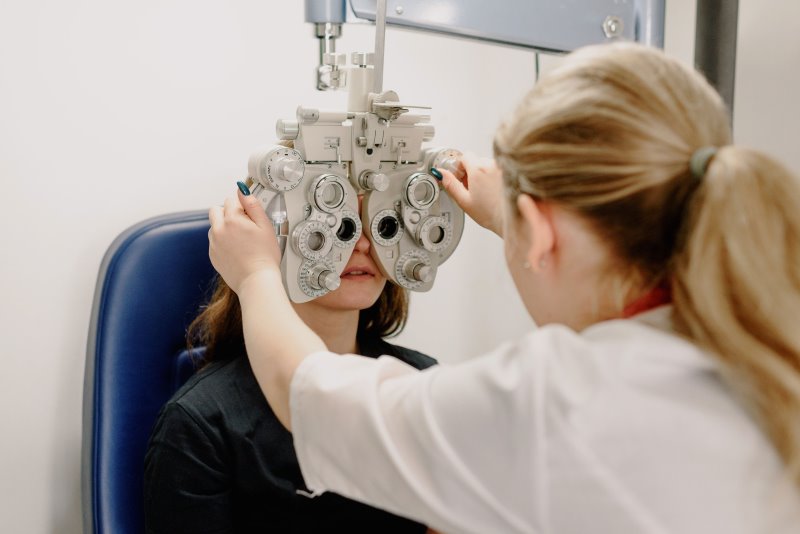
Yes, for members with full-scope benefits. (Image by Pexels)
2. What Vision Services Does MediCal Cover?
Medi-Cal covers several types of vision services, each with its own coverage requirements.
Routine Eye Exams and Prescription Glasses
Routine eye exams help assess your eye health and determine the prescription you need to correct your vision. Members with full-scope Medi-Cal can generally receive a routine eye exam and prescription eyeglasses once every 24 months.
Covered eyeglasses include frames and prescription lenses. This benefit helps eligible members obtain corrective eyewear without paying the full cost themselves.
Exceptions to the standard schedule may apply in certain circumstances.
Contact Lens Testing and Other Specialized Services
Medi-Cal may cover specialized eye care when standard glasses aren’t enough to address a medical condition.
Depending on your needs, covered services may include:
- Medically necessary contact lenses: Contact lens testing and lenses may be covered when eyeglasses cannot be used because of an eye condition. Examples include keratoconus, aphakia, and aniridia.
- Low vision evaluations: These assessments help people whose vision cannot be adequately corrected with standard glasses, contact lenses, medication, or surgery and whose vision loss interferes with everyday activities.
- Artificial eyes: Medi-Cal may cover artificial eye services and related materials for eligible members who have lost an eye because of an injury or disease.
Keep in mind: Choosing contact lenses for convenience or appearance does not automatically make them a covered benefit. Ask your vision provider whether your condition meets Medi-Cal’s medical necessity requirements and whether additional approval is needed.
>>> Read more: Medicaid Vision Coverage: What Eye Care Is Covered?
3. Can You Get New Glasses Before 24 Months With Medi-Cal?
Yes. Medi-Cal may cover replacement eyeglasses before the standard 24-month period ends if certain conditions are met. According to the California Department of Health Care Services, early replacement may be covered when:
- Your prescription changes. You may qualify for new glasses if your vision prescription changes.
- Your glasses are lost or stolen. Replacement may be covered under the program’s applicable requirements.
- Your glasses are broken beyond repair through no fault of your own. You may qualify if the glasses cannot be fixed and the damage was not your fault.

For lost, stolen, or broken glasses, you must provide a written note explaining what happened. Your provider can tell you how to document the situation and whether any other information is needed.
Keep in mind that early replacement of glasses and medically necessary repeat eye exams follow different rules. You may qualify for another eye exam before 24 months because of a medical concern, even when your situation does not qualify for early replacement glasses.
Before ordering a new pair, contact your vision provider or Medi-Cal managed care plan to confirm that your situation qualifies. This can help you avoid unexpected out-of-pocket costs.
4. How to Use Your MediCal Vision Benefits
Once you know which services you may qualify for, the next step is finding a provider who accepts your coverage. Even when a service is covered, you may have to pay out of pocket if you use a provider outside your plan’s network.
Follow these steps to arrange vision care:
Step 1 – Check your Medi-Cal coverage: Confirm whether you have fee-for-service Medi-Cal or are enrolled in a Medi-Cal managed care plan.
Step 2 – Find an in-network vision provider: If you’re in a managed care plan, contact your health plan directly for help locating an in-network provider. Fee-for-service members can use the official DHCS vision care resources for provider information and assistance.
Step 3 – Schedule your appointment: You can generally contact an in-network Medi-Cal vision provider directly. A referral is usually not required.
Step 4 – Confirm coverage before your visit: Ask whether your exam, glasses, or specialized service is covered and whether any additional approval or documentation is needed.
These checks are especially important if you need specialized care or an eye exam before the usual 24-month interval. Confirming does MediCal cover vision services for your specific needs with your provider or health plan can help you avoid surprises.
5. Beyond Vision Care: Phone and Internet Assistance for Eligible MediCal Members
Medi-Cal can do more than help you access health care. It may also open the door to savings on another household expense: your monthly phone bill.
You may qualify for Lifeline, a federal program that helps eligible households reduce the cost of phone service or internet service across the country, including California.
Medi-Cal is one way to qualify, but it isn’t the only one. You may also qualify if:
- You or a qualifying dependent participates in SNAP, SSI, Federal Public Housing Assistance (FPHA), or the Veterans Pension and Survivors Benefit program.
- Your household income is at or below 135% of the federal poverty guidelines.
As an Eligible Telecommunications Carrier (ETC), Cintex Wireless has participated in the Lifeline program to help eligible customers access supported phone service. The carrier also announced that it has merged with AirTalk Wireless, giving applicants a convenient way to apply online and explore available plans and device offers
Depending on your location and the available plan, offers can include unlimited talk and text, monthly data, a free SIM card or eSIM, and other calling features.
But there’s more to explore: you may also qualify for a free or discounted device. Options may include Apple iPhones, Samsung Galaxy phones, TCL and Nokia smartphones, and select tablets.
Note: Offers, data allowances, device models, and availability vary by location, eligibility, promotions, and inventory.
Ready to see what you could get? Apply now and explore available offers!
DISCLAIMER: The government does not subsidize devices. Lifeline programs cover basic service costs only. Free or discounted devices, upgrade plans, or top-ups are exclusive benefits provided by AirTalk Wireless and Cintex Wireless as part of the promotional offers. Terms and conditions apply. Limited-time promotion—offers vary by state, stock availability, and eligibility.
6. FAQs
Does Medi-Cal cover vision exams for adults?
Yes. Adults with full-scope Medi-Cal generally qualify for routine eye exams once every 24 months. Additional exams may be covered when medically necessary, such as when you experience eye pain or unexpected changes in vision.
Does Medi-Cal pay for contact lenses instead of glasses?
Medi-Cal may cover medically necessary contact lenses when eyeglasses cannot adequately meet a member’s medical needs. Routine contact lenses chosen for convenience or appearance are not automatically covered. Your provider can determine whether you qualify.
Do I need a referral to see an eye doctor with Medi-Cal?
Generally, no. You can contact a participating Medi-Cal vision provider directly. If you have managed care coverage, check with your health plan to find an in-network provider before scheduling your appointment.
Can I use Medi-Cal vision benefits at any optical store?
Not necessarily. The provider must accept your Medi-Cal coverage or participate in your managed care plan’s network. Contact your plan before visiting an optical retailer to confirm whether the exam and glasses are covered.
Conclusion
Vision problems can affect everyday tasks, from reading to driving, so don’t put off getting care when something changes. If you notice new symptoms, contact a vision provider rather than waiting for your next routine appointment.
Knowing does MediCal cover vision care is a useful starting point, but confirming your coverage before receiving services can help you make informed decisions and avoid unexpected expenses.