
Physical therapy can make everyday activities easier after an injury, surgery, or a health condition that affects your movement. But regular appointments can become expensive, especially when recovery takes longer than expected.
Before committing to treatment, it’s worth checking what your Medicaid physical therapy coverage may include. A little preparation can help you avoid unexpected bills and focus on getting the care you need.
1. Does Medicaid Cover Physical Therapy?
Under federal Medicaid rules, physical therapy is classified as an optional benefit. States may cover it directly or provide certain therapy services through other benefit categories, depending on their approved Medicaid programs.

Coverage requirements differ across states. Historical data from KFF illustrates these differences, including variation in visit limits and prior authorization requirements. However, current coverage should always be verified through your state’s Medicaid program or health plan.
Children and young adults under 21 have additional protections. Through Medicaid’s Early and Periodic Screening, Diagnostic, and Treatment (EPSDT) benefit, medically necessary PT may be covered to correct or improve a health condition, even when the service is not otherwise included in the state’s standard Medicaid benefit package.
2. What Physical Therapy Services Does Medicaid Cover?
Medicaid physical therapy coverage varies by state and the type of care you need.
Outpatient Physical Therapy
Outpatient PT allows you to attend scheduled sessions without staying overnight in a hospital or facility. A physical therapist may assess your movement, strength, balance, flexibility, and pain before developing a treatment plan.
Depending on your condition and covered benefits, treatment may involve:
- Therapeutic exercises
- Mobility training
- Balance exercises
- Techniques to improve your ability to perform everyday activities
Some plans limit the number of visits or require approval before treatment begins.
Inpatient and Home Health Physical Therapy
Physical therapy may be provided during a covered hospital stay or in certain nursing facilities. In these settings, therapy may be included as part of broader treatment or rehabilitation services rather than billed as a separate outpatient benefit.
Home health physical therapy works differently. Although Medicaid includes mandatory home health benefits, physical therapy is an optional component for adults under federal home health rules.
If your state covers home health PT, you may qualify when the service is medically necessary and meets applicable program requirements. Treatment can help you work on movement and everyday activities in your home.
Ask your Medicaid plan whether home-based therapy is covered, who can provide it, and what documentation or authorization is required.
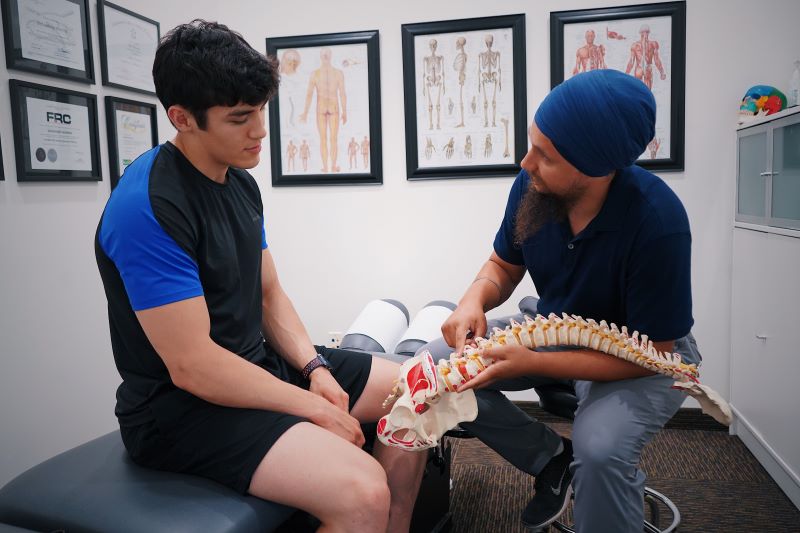
Physical Therapy After Surgery or an Injury
PT may help restore movement and function after surgery, a fracture, a serious injury, or another condition that affects mobility. Your treatment plan might focus on walking safely, rebuilding strength, improving joint movement, or returning to daily activities.
Coverage is not guaranteed simply because a doctor recommends rehabilitation. Check your plan’s requirements before starting treatment to avoid unexpected costs.
3. What Affects Medicaid Physical Therapy Coverage?
Even when your state covers physical therapy, certain requirements determine whether your treatment is approved and how many sessions you can receive.
Medical Necessity and Treatment Goals
Medicaid plans generally require physical therapy to meet medical necessity criteria. Your provider may need to explain how treatment will address your condition and why professional therapy is appropriate.
Depending on your state’s rules, therapy may focus on restoring movement after an injury, improving functional abilities, or maintaining existing skills when continued treatment is medically necessary.
Your treatment plan should document your limitations and the care you need. It may also explain how your therapist will evaluate progress or changes in your condition.
Not every treatment plan qualifies automatically, so confirm the medical necessity criteria with your Medicaid plan.
Visit Limits and Prior Authorization
States and Medicaid managed care plans can set limits on covered visits or require prior authorization. Some plans approve an initial course of treatment and review the need for additional sessions later.
Check whether your plan has:
- A limit on the number of PT visits or treatment units.
- A prior authorization requirement before the first appointment.
- Additional approval rules for continued treatment beyond the initial allowance.
If you reach a visit limit, ask whether your plan allows additional sessions when medically necessary. Do not assume that reaching the standard limit means further treatment can never be approved.

Referrals and Provider Requirements
Under federal Medicaid rules, physical therapy covered through the PT benefit must be prescribed by a physician or another licensed practitioner authorized under state law.
Your Medicaid plan may also have separate referral or prior authorization requirements.
Before scheduling treatment, confirm that your provider accepts your specific Medicaid plan and ask whether an existing prescription is sufficient or additional paperwork is needed.
4. How to Check Your Medicaid Physical Therapy Coverage
The most reliable way to confirm your benefits is to check your state’s Medicaid rules and your specific plan. Here’s how to do that:
- Review your plan documents. Look for physical therapy, rehabilitation, outpatient services, and home health benefits in your member handbook or online portal.
- Call member services. Ask whether PT is covered for your condition, how many visits are allowed, and whether you need a referral or prior authorization.
- Find an in-network provider. Use your plan’s directory or ask a representative to identify participating physical therapy clinics.
- Confirm costs and approval. Ask whether you may owe a copay and whether the clinic will submit authorization paperwork before treatment.
If you need help interpreting state rules, the Medicaid benefits overview explains how states administer mandatory and optional benefits.
Checking these details in advance helps you understand your Medicaid physical therapy coverage before you start treatment, rather than discovering a restriction after receiving a bill.
What if you have both Medicare and Medicaid?
If you’re enrolled in both programs, Medicare generally pays first for physical therapy services it covers. Medicaid may help with eligible remaining costs, depending on your coverage.
Contact your providers and health plans to confirm how your benefits work together before starting treatment.
>>> Read more: Physical Therapy That Takes Medicaid Near Me: 5 Crucial Checks
5. What If Medicaid Won’t Cover More Physical Therapy?
If your plan denies PT or refuses to authorize additional visits, first ask for the specific reason. The problem could be missing documentation, an unmet clinical requirement, an exhausted visit limit, or a service that is not covered under your plan.
Your next step depends on the reason:
- Ask about an appeal. If you believe the decision does not reflect your medical needs, review the denial notice for appeal instructions and deadlines. Your provider may be able to submit supporting records.
- Check whether more visits can be approved. Ask your therapist and plan whether updated progress notes or a revised treatment plan could support continued care.
- Discuss alternatives with your provider. Your clinician may recommend other covered services or exercises you can safely continue at home.
If you consider paying privately, ask the clinic for the full cost before agreeing to treatment. Do not stop medically necessary care without discussing the next steps with your provider.
6. Can Medicaid Members Also Qualify for Lifeline Benefits?
Recovering from an injury or managing a long-term condition can mean more appointments, calls, and coordination with healthcare providers. Reducing your phone bill may help leave more room in your budget for other essentials.
Fortunately, Lifeline may offer a way to lower that expense. This federal program helps eligible households reduce their phone service or internet service costs.
Participating in Medicaid is one qualifying route. You may also qualify through programs such as SNAP, Supplemental Security Income (SSI), or Federal Public Housing Assistance, or through qualifying household income.
Lifeline does not provide benefits directly to consumers. Instead, eligible households access the program through participating service providers. Cintex Wireless is one such provider, helping eligible customers access Lifeline benefits.
Now merged with AirTalk Wireless, a provider with more than 25 years of experience, Cintex customers can explore a range of benefits, including:
- Phone plans with talk, text, and monthly data
- Free SIM cards or eSIMs compatible with their phones
- Free or discounted smartphones and tablets from brands such as Apple and Samsung
Note: Plans, data allowances, device availability, and SIM options depend on eligibility, location, device compatibility, and current offers.
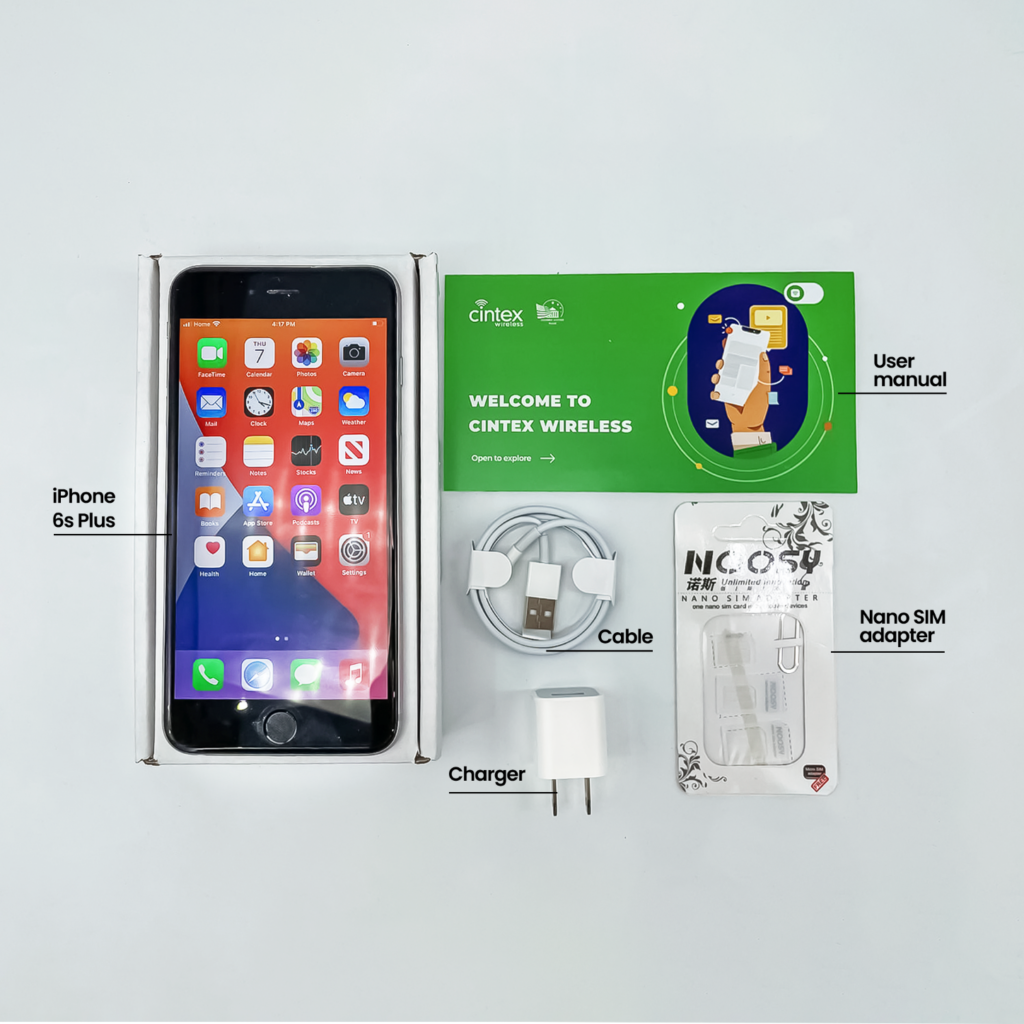
Plus, applying through AirTalk Wireless is simple: enter your ZIP code, choose a plan and device, upload any required documents, submit your application, and wait for approval.
Ready to get started? Check your eligibility and explore Lifeline offers through AirTalk Wireless!
DISCLAIMER: The government does not subsidize devices. Lifeline programs cover basic service costs only. Free or discounted devices, upgrade plans, or top-ups are exclusive benefits provided by AirTalk Wireless and Cintex Wireless as part of the promotional offers. Terms and conditions apply. Limited-time promotion—offers vary by state, stock availability, and eligibility.
Conclusion
Getting back to your usual routine can take patience, and insurance paperwork should not make the process harder than necessary. When reviewing Medicaid physical therapy coverage, ask questions early and keep copies of referrals, treatment plans, and approval notices.
If your recovery takes longer than expected, talk with your therapist before your authorized visits run out. Planning ahead can help you make informed decisions about your care without unnecessary financial surprises.