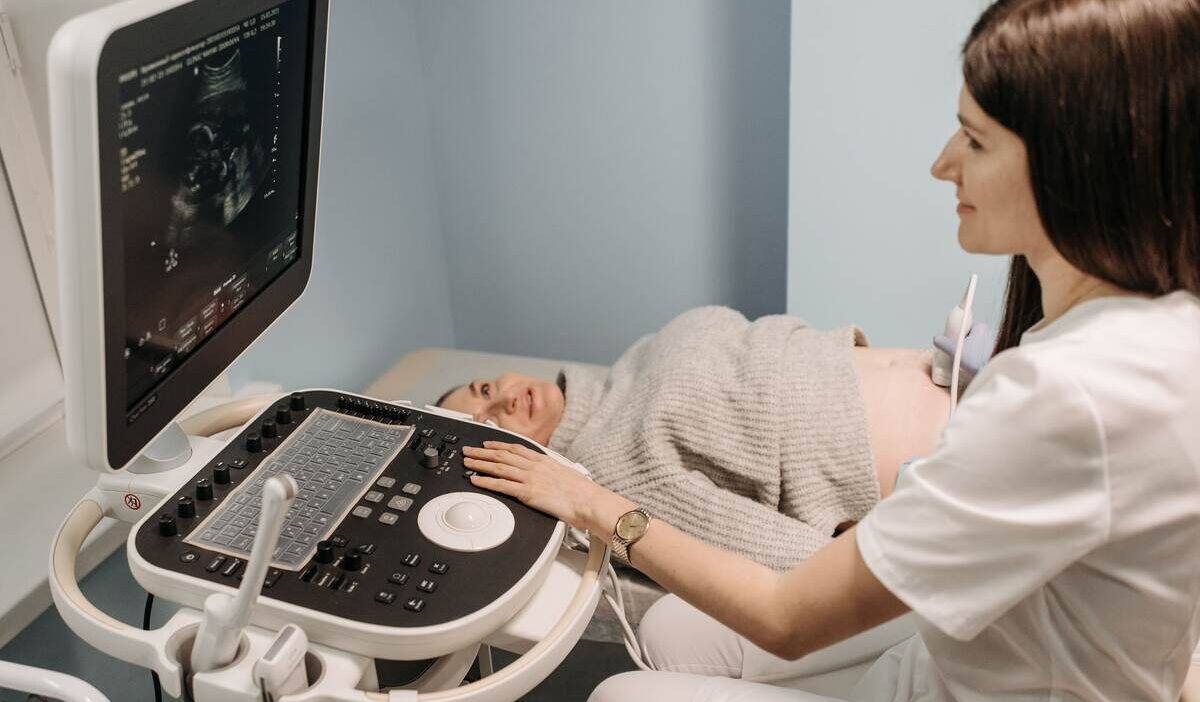
Medicaid was the primary payer for 40.2% of births in the U.S., according to the National Center for Health Statistics. For families planning for a baby, that figure puts an important question into focus: where can you turn for maternity coverage?
Pregnancy Medicaid is worth exploring, and this guide covers what to know before applying.
1. What Is Pregnancy Medicaid?
Pregnancy Medicaid is not the only maternity coverage option available. Depending on your state, you may also qualify for CHIP-funded pregnancy coverage or another state assistance program.
For example, some states use CHIP to cover eligible pregnant individuals whose income exceeds Medicaid limits. Others offer a CHIP-funded program that covers certain pregnancy-related care through the baby’s birth.
California also offers the Medi-Cal Access Program (MCAP), which provides maternity coverage for eligible pregnant residents who meet specific income and insurance requirements.
These programs follow different eligibility and coverage rules. If you’re unsure which one applies to you, your state Medicaid agency can help identify the available options.
2. Who Qualifies for Pregnancy Medicaid? Understand the Eligibility
Eligibility generally depends on household income, household size, state residency, and citizenship or immigration status.
Income Limits and Household Size
There is no nationwide income limit for pregnancy Medicaid. States set their thresholds based on the Federal Poverty Level (FPL).
As of January 2026, the median Medicaid income eligibility limit for pregnant women was 201% of the FPL, according to KFF State Health Facts.
Your expected baby also affects household size. For example, someone expecting one baby may be counted as a household of two, although other household members are counted according to Medicaid rules.
Most pregnancy-related Medicaid eligibility uses Modified Adjusted Gross Income (MAGI) rather than an asset test.
If your income seems too high, check your state’s current guidelines before ruling yourself out.
Residency and Immigration Requirements
You generally must live in the state where you apply and meet applicable citizenship or immigration requirements.
Some states offer additional maternity coverage to certain lawfully residing noncitizens. Others may provide emergency Medicaid or CHIP-funded pregnancy services to people who do not qualify for full Medicaid.
Contact your state Medicaid agency to learn which options are available.
3. What Does Pregnancy Medicaid Cover?
Pregnancy Medicaid generally covers medically necessary care during pregnancy, childbirth, and postpartum recovery.
Depending on your state and eligibility category, covered services may include:
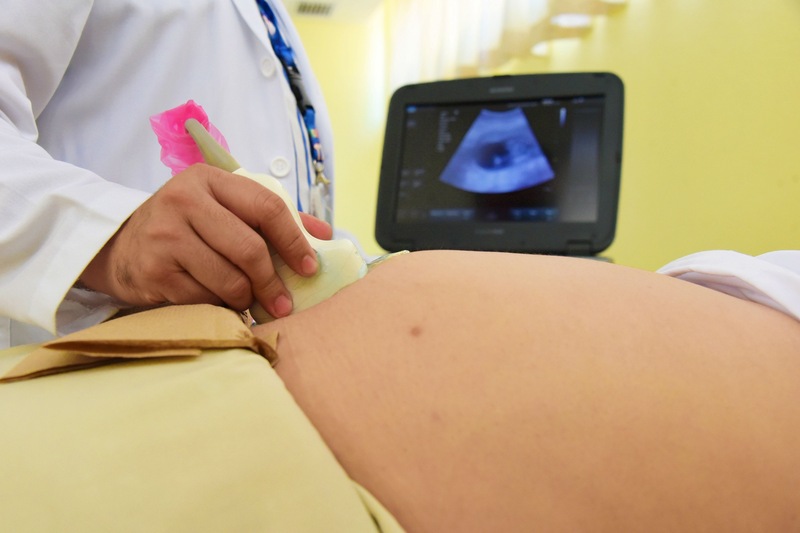
- Prenatal care: Routine checkups, screenings, ultrasounds, and blood tests.
- Labor and delivery: Covered hospital or birthing facility services and medical care during childbirth.
- Pregnancy complications: Treatment for pregnancy-related health conditions.
- Postpartum care: Follow-up visits and eligible mental health services after delivery.
- Additional support: Dental services, breastfeeding assistance, nutrition counseling, doula care, or medical transportation when covered.
However, not every pregnant Medicaid member receives identical benefits. Some qualify for full Medicaid coverage, while others receive benefits limited to pregnancy-related care.
For example, Minnesota covers certain doula, dental, and non-emergency medical transportation services for eligible members.
Before scheduling care, confirm which services your plan covers and whether your provider accepts Medicaid.
>>> Also read: Pregnancy Medicaid Arkansas: Essential Coverage Guide
4. How Long Does Pregnancy Medicaid Last After Birth?
Pregnancy-related Medicaid coverage continues for at least 60 days after pregnancy ends, with coverage extending through the end of the month containing the 60th postpartum day.
Most states now provide 12 months of postpartum coverage, giving eligible members more time to access follow-up care, including treatment for postpartum health concerns.
The exact duration depends on your state and coverage program.
Before your benefits expire:
- Confirm your coverage end date with your Medicaid agency.
- Ask whether you qualify for continued Medicaid coverage.
- Explore other insurance options if your eligibility is ending.
What about your baby’s coverage?
Babies born to qualifying Medicaid members are generally automatically eligible for Medicaid through their first birthday without a separate application. Notify your state Medicaid agency after delivery to update your baby’s coverage information.
5. How to Apply for Pregnancy Medicaid Step-by-Step
Applying for pregnancy Medicaid starts with finding the right application channel and preparing the information your state requires. Follow these steps to get started:
Step 1: Find your state’s application portal
Check whether you can apply online, by phone, by mail, or in person.
Step 2: Prepare your information
Gather your income, household, residency, and current insurance details. Your state may request additional documentation.
Step 3: Submit your application
Complete the application accurately and indicate that you’re pregnant. If you already receive Medicaid, report your pregnancy to your state agency.
Step 4: Ask about temporary coverage
Some states offer presumptive eligibility, allowing temporary Medicaid coverage while your application is processed. Retroactive coverage may also be available under applicable state rules.
Step 5: Follow up
Check your application status and provide any requested documents promptly. If you need prenatal care while waiting, ask your Medicaid agency or a local health center about available services.
Apply as early as possible to help avoid delays in accessing prenatal care.

>>> Also read: Pregnancy Medicaid Florida: Get Faster Coverage (2026)
6. Pregnancy Medicaid and Lifeline: Another Benefit to Check
Pregnancy can bring extra expenses beyond medical care, including calls to doctors, appointment reminders, and coordination with family.
But did you know that Medicaid participation is already one way to qualify for Lifeline? This federal program helps eligible households save on phone service or internet service.
Besides Medicaid, you can also qualify if you meet the household income threshold or participate in qualifying programs like SSI, SNAP, etc.
Eligible households can access Lifeline through participating providers like Cintex Wireless, which has helped many people connect with these benefits.
Cintex Wireless has merged into AirTalk Wireless, a provider that has been serving customers for more than 2 decades. Through AirTalk, eligible applicants can discover valuable ways to save on wireless service and devices, including monthly plans and free or discounted smartphones and tablets.
Note: Available plans, devices, and promotions vary, and compatibility requirements may apply.
Applying for Lifeline on AirTalk is simple and can take just a few minutes to complete online from any device:
- Visit the application page and enter your ZIP code to check service availability.
- Choose a suitable plan and device if available.
- Upload any necessary documents.
- Complete the application and submit for approval.
Ready to save? See what Lifeline offers are waiting for you at AirTalk Wireless.
DISCLAIMER: The government does not subsidize devices. Lifeline programs cover basic service costs only. Free or discounted devices, upgrade plans, or top-ups are exclusive benefits provided by AirTalk Wireless and Cintex Wireless as part of the promotional offers. Terms and conditions apply. Limited-time promotion—offers vary by state, stock availability, and eligibility.
7. FAQs
What’s the difference between pregnancy Medicaid and regular Medicaid?
Pregnancy Medicaid often has higher income limits and specific pregnancy and postpartum coverage rules. Regular Medicaid eligibility depends on other factors, such as age, disability, and family status. Rules vary by state.
How long does it take to get accepted for Medicaid when pregnant?
Processing times vary by state. For example, Washington processes pregnancy Medicaid applications within 15 days, while New York allows up to 30 days for eligible pregnant applicants.
What if I’m pregnant and have no insurance?
Apply for Medicaid or CHIP through your state or the Health Insurance Marketplace. If you don’t qualify, contact a community health center about low-cost prenatal care.
What can I get for free if I’m pregnant?
Pregnant people may qualify for free or low-cost prenatal care, delivery services, and other support. For example, Pregnancy Medicaid may cover medically necessary care with no cost-sharing for eligible members. Available benefits depend on your state and program.
What does Medi-Cal cover during pregnancy?
California’s Medi-Cal covers pregnancy-related care, including prenatal visits, delivery, and postpartum services. Eligible members may also receive dental benefits during pregnancy and for one year postpartum.
Conclusion
Getting healthcare in place early can make pregnancy feel more manageable, especially when money is tight.
If you think you may qualify for pregnancy Medicaid, do not wait until your next appointment to check. Review your state’s requirements, submit an application, and ask for help if any part of the process is unclear.
Having a plan for your care now can give you more room to focus on yourself and your baby.