
Finding dental care should not mean spending hours calling offices or worrying about bills you cannot afford. Yet, locating a dentist that accepts Medicaid for adults can be challenging, especially when provider networks and covered services vary by state.
This blog post shares practical ways to find a participating dentist and get the care you need within your budget.
1. How to Find a Dentist That Accepts Medicaid for Adults
Does Medicaid cover dental care for adults? It depends on your state. Some states provide comprehensive benefits, while others cover only limited treatments or offer no routine adult dental coverage.
Before searching for a dentist, confirm which services your Medicaid plan covers. Then use the following methods to find a participating provider.
Check Your State Medicaid Provider Directory
Start with your state’s official Medicaid website. Look for a provider directory or dental care section where you can search by ZIP code, city, or provider specialty.
Some states offer a searchable list of enrolled dental providers. Others direct members to their Medicaid managed care plan for a more specific list. Check whether the directory identifies dentists who treat adults and filter by distance when possible.
You can also use your state’s Medicaid website to review covered dental services. This helps you narrow your search to dentists who may provide the treatment you need.
Call the Number on Your Medicaid Card
If the online directory is outdated or confusing, call the member services number on your Medicaid card. Your plan’s representatives can help you find a dentist that accepts Medicaid for adults and explain how to access your dental benefits.
Ask these questions during the call:
- Which dentists near my ZIP code accept my plan?
- Does my plan use a separate dental provider network?
- Can you help me find a dentist accepting new adult patients?
- Is the dental service I need covered?
Write down the provider’s name, address, and phone number. If possible, ask the representative to confirm whether the dentist offers the specific service you need.
Use Your Dental Plan’s Dentist Search Tool
Some Medicaid members receive dental benefits through a separate dental administrator. Once you identify your dental plan, visit its official website and look for a provider search tool.
For example, DentaQuest offers a Find a Dentist tool that lets users search by location and adjust the search distance. Other states and plans may use administrators such as MCNA Dental.
The exact process may vary by tool, but you can generally take the following steps to narrow your search and identify suitable providers:
- Enter your ZIP code or city to find nearby dentists.
- Select your Medicaid dental plan if prompted.
- Use available filters to narrow the results by location or provider type.
Once you have a shortlist of potential providers, verify that they accept your specific Medicaid plan before scheduling an appointment. The next section explains how to confirm coverage and avoid unexpected costs.
2. How to Confirm a Dentist Accepts Your Medicaid Plan
Finding a dentist listed in a directory is a useful starting point, but it does not guarantee that the office can treat you under your current coverage. A dentist may accept one Medicaid plan but not another, or may have stopped accepting new patients.
Before booking an appointment with a dentist that accepts Medicaid for adults, call the office and ask:
- Do you accept my specific Medicaid plan?
- Are you accepting new adult Medicaid patients?
- Do you provide the dental service I need?
- Is that service covered under my plan?
- Do I need a referral or prior authorization?
- Will I have any out-of-pocket costs?
Have your Medicaid card ready so the staff can identify your exact plan. If you need a filling, extraction, denture, or another specific treatment, name it rather than asking only whether the office accepts Medicaid.
You can also ask your plan to confirm coverage before treatment. This extra check can help you avoid unexpected bills, unnecessary appointments, and delays in getting care.
>>> Also read: What Does Medicaid Cover for Dental for Adults in Texas? 5 Essential Facts
3. What to Do If You Can’t Find a Dentist That Accepts Medicaid
If you can’t find a dentist accepting your Medicaid plan, contact member services before giving up on covered care. Ask whether the plan can arrange an appointment with another provider.
When a Medicaid managed care network cannot provide a necessary covered service, the plan may be required to arrange out-of-network care. Confirm any authorization before scheduling treatment.
You can also explore these alternatives:
- Community health centers: Many offer dental services with fees based on income. Use the HRSA health center resources to find local options.
- Dental schools: Dental schools and dental hygiene programs may provide treatment at reduced prices through supervised clinics.
- Low-cost dental clinics: Local public health departments and nonprofit organizations may maintain lists of affordable providers.
When contacting a clinic, ask about appointment availability, treatment costs, and income-based discounts. HRSA recommends comparing local options because services and prices vary.
If you have severe swelling, fever, uncontrolled bleeding, or difficulty swallowing or breathing, seek urgent medical or dental care. Do not delay emergency attention while searching for a routine appointment.
>>> Read more: Free Dental Work for Low-Income Adults: Free and Low-Cost Options Near You
4. Explore More Benefits as an Adult Medicaid Member
Managing healthcare costs is only part of keeping your household budget under control.
As an adult Medicaid member, you may also qualify for Lifeline, a federal program that helps eligible households save on phone service or internet service costs. That means you could have another way to free up money for everyday essentials without giving up the ability to reach family, doctors, or other important contacts.
Cintex Wireless is an Eligible Telecommunications Carrier (ETC) that provides Lifeline-supported services to eligible customers. Following its merger into AirTalk Wireless, applicants can explore a broader range of available service plans and device offers through AirTalk’s online application process.
AirTalk’s Lifeline plans can include the following features and benefits:
- Monthly wireless service: Unlimited talk and text, with a data allowance that varies by state and plan.
- Useful calling features: Free international calling to more than 200 countries and territories, Wi-Fi Calling, and a free SIM kit or eSIM.
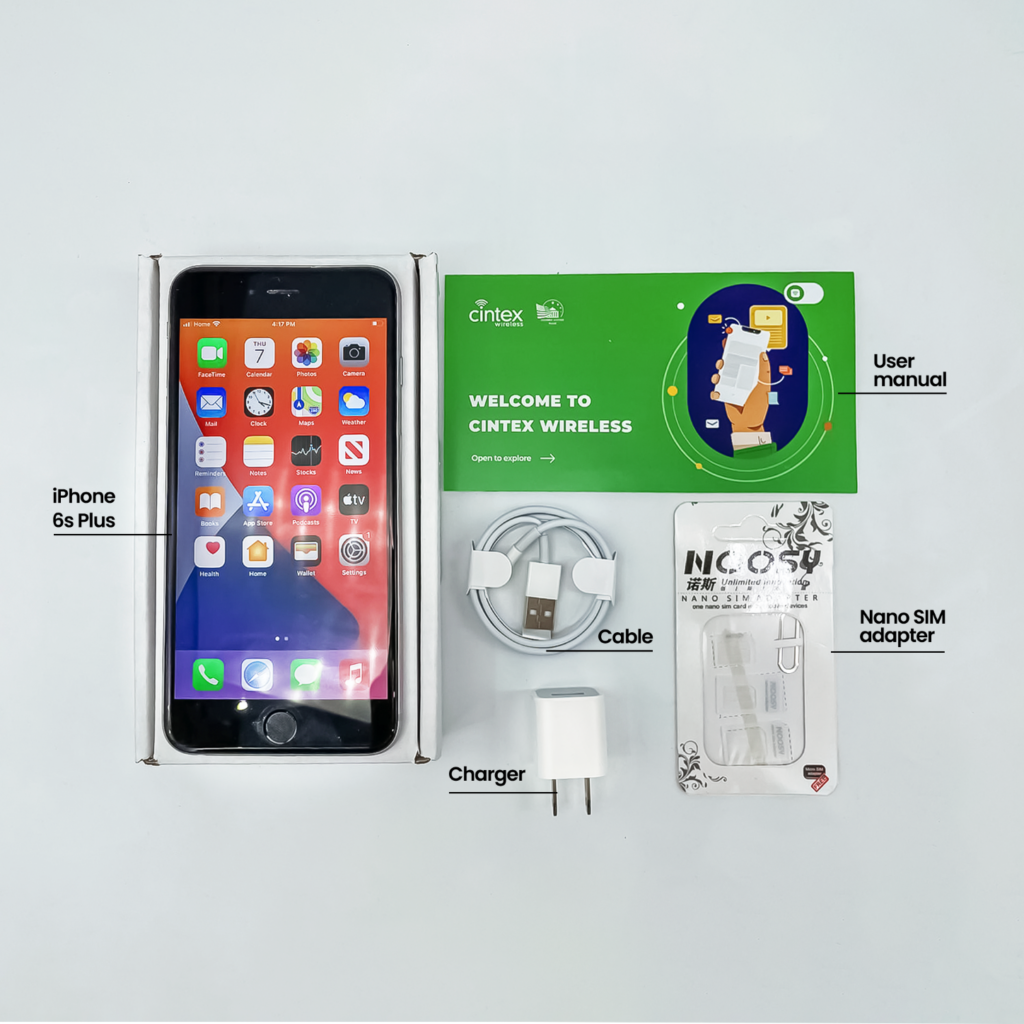
- Smartphone and tablet offers: Explore available free or discounted phones and tablet options to find a device that suits your needs and budget. Offers depend on location, eligibility, inventory, and current promotions.
You already have enough expenses to juggle. Why pay more than you have to for staying connected?
Enter your ZIP code to explore AirTalk Wireless plans and available phone offers. You may find a better way to stay connected while keeping more room in your budget!
DISCLAIMER: The government does not subsidize devices. Lifeline programs cover basic service costs only. Free or discounted devices, upgrade plans, or top-ups are exclusive benefits provided by AirTalk Wireless and Cintex Wireless as part of the promotional offers. Terms and conditions apply. Limited-time promotion—offers vary by state, stock availability, and eligibility.
FAQs
Why are dentists not accepting Medicaid?
Some dentists don’t accept Medicaid because of reimbursement rates, administrative requirements, or limited appointment capacity. Others accept only certain Medicaid plans or patient groups. Participation varies by location, so contact your plan for available providers.
Which dental providers in New York accept Medicaid?
New York Medicaid members can use the state’s official dental clinic directory to locate participating providers. Managed care members should also contact their plan to confirm coverage, adult patient eligibility, and appointment availability.
How many dentists accept Medicaid?
According to the American Dental Association, 41% of U.S. dentists participated in Medicaid or CHIP in 2024. However, participation varies by state and does not necessarily mean a dentist accepts adult Medicaid patients.
How much is a dentist visit without insurance?
Dental visit costs vary by location, clinic, and treatment. Routine examinations and cleanings generally cost less than procedures such as crowns or root canals. Ask for an estimate or compare community clinics offering reduced fees.
What gives you free dental treatment?
Medicaid may cover dental treatment for eligible adults, depending on state benefits. Community health centers and charitable dental programs may also offer free or reduced-cost services. Eligibility, treatment availability, and possible charges vary by provider.
Conclusion
Putting off dental care can make small problems harder and more expensive to treat. When searching for a dentist that accepts Medicaid for adults, take time to verify your benefits and ask about affordable alternatives. A little preparation can help you get the care you need without putting unnecessary pressure on your budget.
And if you’re looking for other ways to make your budget go further, consider applying for Lifeline. Take a moment to explore AirTalk Wireless and see whether its available plans and device offers could help ease some of your monthly expenses.