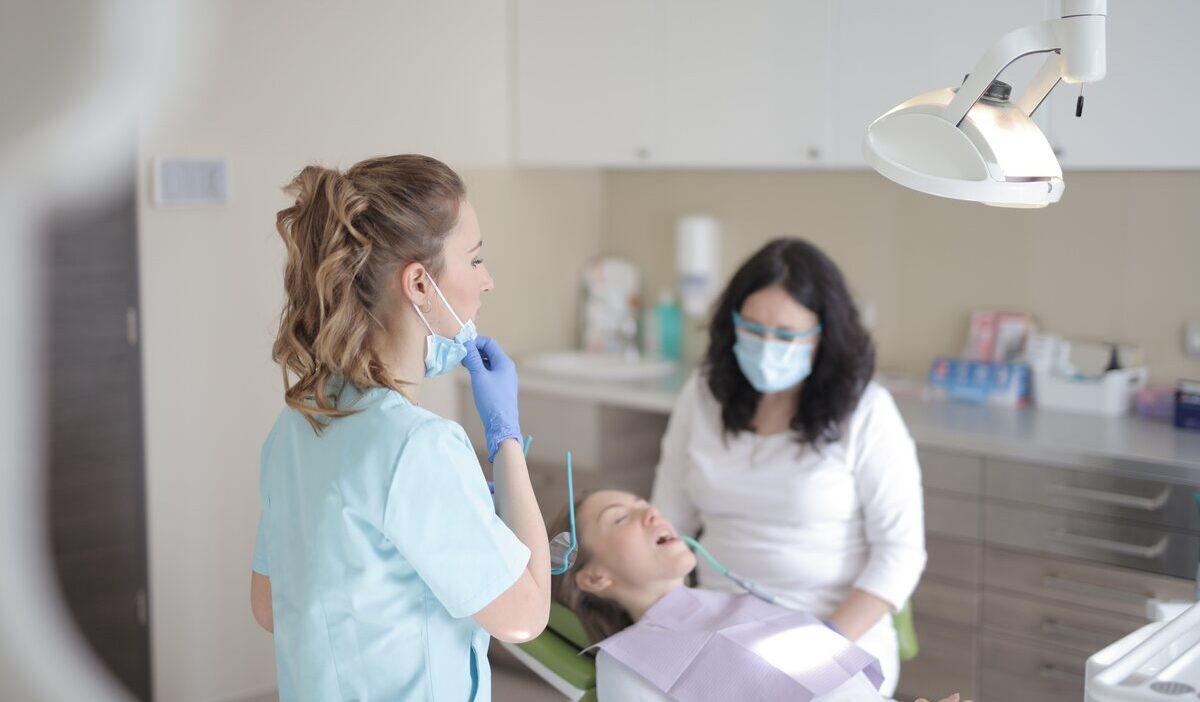
Dental problems can become expensive when a simple checkup leads to fillings, a root canal, or a tooth replacement. For families managing healthcare costs, knowing which services Medicaid pays for can help prevent unexpected bills.
Texas Medicaid dental coverage varies by age, program, and type of treatment, so checking the rules before scheduling an appointment can make a real difference.
1. What Does Texas Medicaid Dental Coverage Include?
Texas provides broader dental benefits for children and young adults than for most adults. The services available depend on the member’s age, Medicaid program, and applicable coverage rules.
Dental Benefits for Children and Young Adults Under 21
Children and young adults enrolled in Texas Medicaid generally qualify for a broad range of dental services, including preventive care and medically necessary treatment. Most receive these benefits through Children’s Medicaid Dental Services, which works with dental maintenance organizations (DMOs) to coordinate care.
Covered services may include:
- Preventive care: Dental examinations, cleanings, and X-rays when appropriate.
- Restorative treatment: Fillings and other covered procedures to repair damaged teeth.
- Treatment for dental problems: Extractions, root canals, and other medically necessary services when program requirements are met.
- Orthodontic treatment: Braces may be covered for eligible children when the treatment meets Texas Medicaid’s medical-necessity requirements.
Some children and young adults follow different arrangements. For example, those enrolled in STAR Health receive services through that program rather than through the standard Children’s Medicaid Dental Services arrangement.
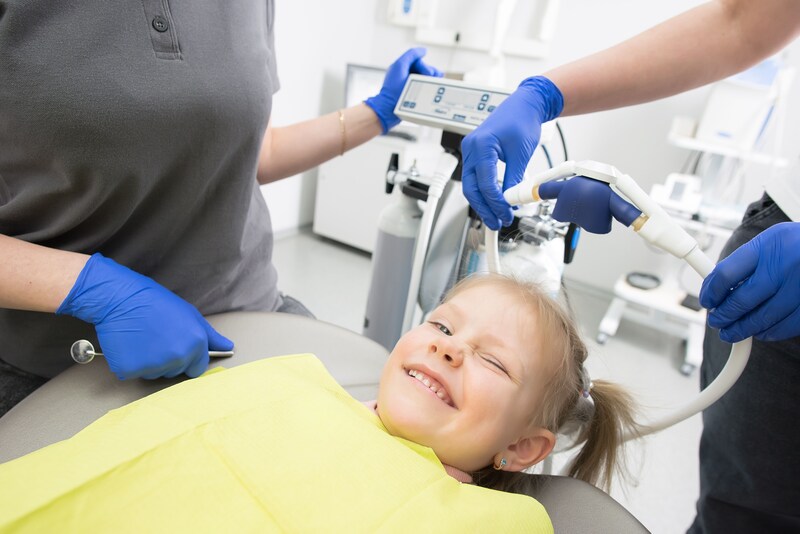
Coverage and authorization requirements depend on the applicable program and procedure, so parents should confirm benefits with their child’s plan before scheduling treatment.
Texas Medicaid Dental Coverage for Adults
Unlike children, adults aged 21 and older generally receive limited dental benefits through Texas Medicaid. Routine cleanings, fillings, dentures, and bridges are not covered under standard adult benefits.
However, exceptions may apply to certain medically necessary procedures, including treatment related to life-threatening medical conditions. These exceptions have specific requirements and may need prior authorization.
Some Medicaid-funded institutional settings also have separate dental coverage rules.
Before scheduling treatment, contact your Medicaid plan to confirm whether your procedure qualifies and whether approval is required.
>>> Read more: What Does Medicaid Cover for Dental for Adults in Texas? 5 Essential Facts
Additional Dental Benefits Through Medicaid Health Plans
Some Texas Medicaid managed care plans offer extra dental benefits, known as value-added services, to eligible adults.
Examples include:
- Blue Cross and Blue Shield of Texas: Eligible adult STAR members may receive up to $250 annually for dental exams, cleanings, X-rays, fillings, and extractions through participating providers.
- Texas Children’s Health Plan: Eligible STAR members aged 21 and older in Harris and Jefferson service areas may receive two annual dental exams and cleanings, along with selected X-rays and treatments.
- Superior HealthPlan: Eligible pregnant STAR members aged 21 and older may receive up to $250 per pregnancy for selected dental services, including exams, cleanings, X-rays, and fluoride treatments.
These extra benefits are not available to every Texas Medicaid member. Check your plan’s current eligibility rules, service area, and provider requirements before booking an appointment.
2. What Does Medicaid Not Cover in Texas? Dental Services & Exceptions
For most adults aged 21 and older, Texas Medicaid does not cover routine dental services such as cleanings, fillings, dentures, or bridges.
The Texas Medicaid Provider Procedures Manual also lists adult dentures and endosteal implants as noncovered benefits.
Certain medically necessary procedures may qualify under separate rules, but a dental problem does not automatically establish coverage.
Even covered services may be denied when required authorization is missing, benefit limits are exceeded, or the treatment does not meet program requirements.
A painful dental problem does not automatically qualify for Medicaid coverage. If a needed procedure isn’t covered, there may still be ways to manage the cost.
The next section explains how to check your Texas Medicaid dental coverage and what to do if a service you need isn’t included.
3. How to Check Your Texas Medicaid Dental Coverage
Dental benefits can vary depending on the Medicaid program and health plan. If it’s unclear which services are covered, a few simple checks can help you find the information you need:
- Identify your age and Medicaid program. Children, adults, pregnant members, and people in certain institutional settings may have different benefits.
- Confirm your health and dental plans. Check your Medicaid enrollment information to identify the organization responsible for your dental care.
- Find an in-network dentist. Use your dental plan’s provider directory or contact member services for help finding a participating provider.
- Ask about the procedure. Give the dentist the name of the proposed treatment and ask whether it is covered under your specific benefits.
- Check authorization and costs. Find out whether prior authorization is required, whether any limits apply, and whether you could owe money.
For children and young adults, the Texas Health Steps helpline at 1-877-847-8377 can help with dental checkups and finding care. You can also consult the Texas Department of State Health Services’ Find a Dentist page.
>>> Also read: NC Medicaid Dental Coverage: Adults, Kids, Dentures & Braces
4. What If Your Dental Care Isn’t Covered by Texas Medicaid?
A procedure that falls outside Texas Medicaid dental coverage does not necessarily mean you must pay the full price at a private dental office. Several resources offer free or reduced-cost care, although availability depends on where you live and whether you meet their requirements.
Consider these options:
- Community health centers: Federally qualified health centers may offer dental services based on income and local availability.
- Dental schools: Dental schools in Dallas, Houston, San Antonio, and El Paso may provide treatment through supervised student clinics, often at reduced rates.
- Local public health programs: County health departments and other public agencies may provide selected services or referrals.
- Charitable dental clinics: Some nonprofit organizations hold free dental events or help eligible patients access treatment.
- Reduced-cost dental services: Ask clinics about sliding-scale fees, payment arrangements, or discounts for uninsured patients.
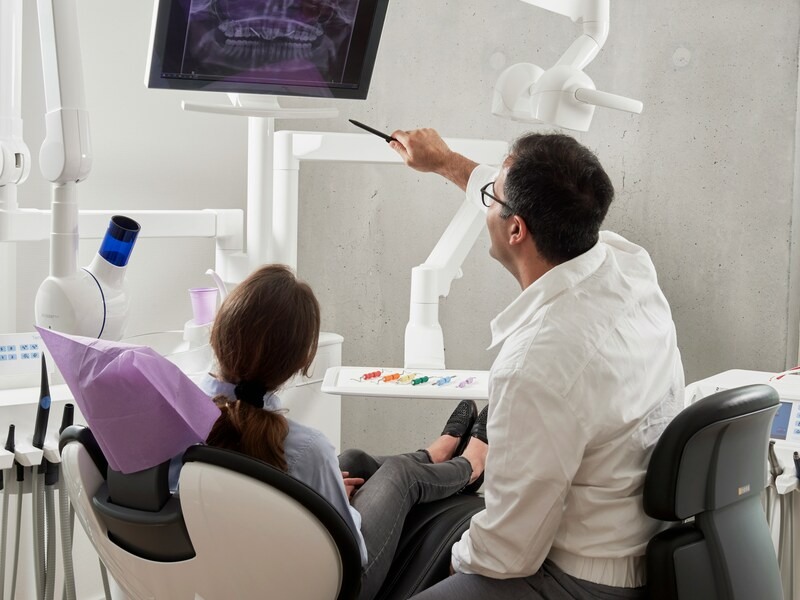
You can also call 211 Texas or visit 211Texas.org to find local dental resources. The Texas Department of State Health Services recommends this as a starting point for locating affordable care.
When comparing options, ask about the total cost before scheduling treatment. If your dental problem is urgent, explain your symptoms when contacting a clinic so staff can advise you on available care.
5. Looking for More Savings Beyond Dental Care? Explore Affordable Wireless Options
Dental expenses can put pressure on a household budget, but they aren’t the only cost worth looking at. Eligible Texans may be able to free up a little more room in their monthly budget through Lifeline, a federal program that helps qualifying households pay for phone service or internet service.
So, how can you qualify for Lifeline?
- If you’re enrolled in Texas Medicaid, you already meet one of the program’s eligibility requirements.
- You may also qualify through programs such as SNAP, Supplemental Security Income (SSI), or Federal Public Housing Assistance (FPHA), or based on your household income.
However, benefits aren’t automatic. You still need to complete an application through a participating carrier, such as Cintex Wireless.
The carrier is known for its simple enrollment process and beside offer of Lifeline-discounted service plan, it also offer a free or discounted device to make the support more sustainable.
Here’s something worth noting: Cintex Wireless has merged into AirTalk Wireless, giving eligible applicants a way to explore available service plans and device offers through AirTalk. Benefits may include unlimited talk and text, monthly data, nationwide coverage, international calling, and free SIM kits or eSIM options where supported.
Eligible Texans may also find devices such as:
- Apple: iPhone 7, iPhone 8, iPhone X, and iPhone SE (2nd generation)
- Samsung: Galaxy A42 5G, A32 5G, S9, and A71 5G
- Tablets: Apple iPad 7, Clovertek G17, Samsung Galaxy Tab E, and ASUS ZenPad Z10
Note: Device availability, pricing, and eligibility vary by location.
DISCLAIMER: The government does not subsidize devices. Lifeline programs cover basic service costs only. Free or discounted devices, upgrade plans, or top-ups are exclusive benefits provided by AirTalk Wireless and Cintex Wireless as part of the promotional offers. Terms and conditions apply. Limited-time promotion—offers vary by state, stock availability, and eligibility.
FAQs
Does Medicaid cover 100% of dental?
Not always. Texas Medicaid generally provides comprehensive dental benefits for eligible children, while adults have limited coverage. Payment depends on the service and program requirements.
What will happen to Medicaid in 2026 in Texas?
Medicaid continues to operate in Texas. As of October 2026, the federal Medicaid website states that the new federal Medicaid work requirement does not apply in Texas. Check official state notices for updates.
Is there free dental insurance available in Texas?
Eligible children may receive dental coverage through Medicaid or CHIP. Adults can look for free or low-cost care at community health centers, dental schools, and charitable clinics.
Conclusion
Dental problems are stressful enough without the added worry of paying for care. When costs feel overwhelming, knowing what Texas Medicaid dental coverage includes can help make the next decision easier.
Even if a needed procedure isn’t covered, that doesn’t mean all options are off the table. Affordable care may still be within reach, and no one should have to navigate those choices without knowing where to turn for help.