
Finding affordable care for an aging parent or a loved one with a disability can quickly become overwhelming. Between financial requirements, service restrictions, and unfamiliar program terms, it is not always clear where to turn.
The topic of community Medicaid vs Medicaid adds another layer to navigate when planning for care at home.
1. What Is Community Medicaid?
Community Medicaid generally refers to Medicaid coverage for eligible individuals living at home or in community settings rather than receiving institutional long-term care. It is not a separate federal program, although some states use specific community Medicaid coverage classifications.
Depending on the state and eligibility category, benefits may include doctor visits, prescriptions, and other routine medical services.
Eligible individuals who need additional help with daily activities may also receive Home and Community-Based Services (HCBS), such as personal care assistance. These services often have separate eligibility and assessment requirements.

2. Community Medicaid vs Medicaid: What’s the Difference?
Is there a difference between community Medicaid and regular Medicaid? The key distinction is that Medicaid is the broader health coverage program, while community Medicaid describes coverage or services delivered outside institutional settings.
Community Medicaid is not a separate federal program, and its services and eligibility requirements vary by state.
The table below highlights the key differences between Medicaid and community Medicaid in terms of coverage, care settings, services, and eligibility:
| Comparison | Medicaid | Community Medicaid |
| Meaning | The broader federal-state health coverage program | An informal term for Medicaid coverage and services received while living at home or in the community |
| Care setting | May cover care in clinics, hospitals, homes, nursing facilities, and other approved settings | Focuses on care and support provided at home or in community settings |
| Services | Covered medical services depend on the state and eligibility group | May include regular medical care and, for eligible individuals, home-based personal care or other long-term support |
| Eligibility | Depends on the applicant’s eligibility group and state rules | Follows applicable Medicaid eligibility rules, with additional requirements for certain home and community-based services |
Here are two examples that make the distinction clearer:
- Regular medical coverage: A parent with limited income qualifies for Medicaid and receives covered doctor visits, hospital care, and prescription medications. They may not need any long-term care services.
- Community-based support: An older adult with mobility limitations qualifies for Medicaid and receives personal care assistance at home through an available state program. They may also receive help with daily activities, provided they meet the program’s requirements.
Both individuals can receive Medicaid, but their coverage needs are different.
Having Medicaid for routine medical care does not automatically qualify someone for every home-based long-term care service. Those who need additional support may have to complete a separate assessment or meet other program requirements before receiving these services.
3. Who Is Eligible for Community Medicaid?
Eligibility depends on your state’s Medicaid rules and the type of coverage you need. Regular Medicaid applicants generally must meet applicable financial and residency requirements. Those seeking home-based long-term care may also need a functional assessment or meet additional program criteria.
Financial Eligibility
Income requirements vary by state and eligibility group. Most applicants under MAGI-based Medicaid rules are not subject to an asset test, while older adults, people with disabilities, and certain long-term care applicants may face resource limits.
- Income: Limits vary by state and eligibility category.
- Assets: Some programs consider savings, investments, and other countable resources.
- Applicant category: Rules may differ for older adults and people with disabilities compared with children, pregnant women, and other adults.
Medical and Functional Needs
Regular Medicaid coverage does not always require proof of a long-term care need. However, certain Home and Community-Based Services (HCBS) programs require an assessment to determine whether an applicant needs specific levels of assistance. This may include help with daily activities or care comparable to that provided in an institution.

Program-specific Requirements
Applicants may also need to meet additional conditions, such as:
- Living in the state where they apply.
- Meeting applicable age or disability criteria.
- Providing documents to verify eligibility.
- Meeting program-specific requirements for the requested services.
Some HCBS waiver programs cap enrollment and maintain waiting lists.
When comparing community Medicaid vs Medicaid, remember that qualifying for general medical coverage does not automatically establish eligibility for every home-based service.
>>> Read more: Medicaid Home Care: Which Coverage Pathway Fits You?
4. What Services Can Community Medicaid Cover?
Available services depend on the state’s Medicaid plan, the program providing the benefit, and the person’s assessed needs. Common examples include:
- Home health services: Skilled nursing, certain therapies, and other covered medical care provided at home.
- Personal care assistance: Help with bathing, dressing, grooming, eating, and other daily activities.
- Adult day services: Supervision, social activities, and health-related support at a community facility, when covered.
- Respite care: Temporary relief for family caregivers who provide ongoing support.
- Home modifications: Approved accessibility improvements, such as ramps or bathroom adaptations, under certain programs.
Not every Medicaid plan covers all these services. For example, a state may cover personal care through its regular Medicaid state plan but offer home modifications or respite care only through a specific HCBS waiver.

5. How to Find and Apply for Community-Based Medicaid Services in Your State
The application process depends on whether someone already has Medicaid or needs to apply for coverage and home-based services at the same time.
Step 1: Contact the state Medicaid agency. Visit Medicaid.gov to find your state’s official contact information and application resources.
Step 2: Ask about home and community-based services. Explain the type of assistance needed, such as personal care, respite care, or home health services. Ask whether these benefits are available through the state plan, an HCBS waiver, or another program.
Step 3: Check financial and care requirements. Confirm the applicable income and asset limits, documentation requirements, and whether a medical or functional assessment is necessary.
Step 4: Complete the application and assessment. Submit the requested financial records and other supporting documents. If an assessment is required, follow the agency’s instructions and provide accurate information about daily care needs.
Step 5: Ask about waiting lists and next steps. Some waiver programs limit enrollment. Find out whether a waiting list applies, whether other services are available in the meantime, and how to appeal if the application is denied.
The community Medicaid vs Medicaid distinction matters during this process because general Medicaid enrollment and approval for specific long-term care services may involve different requirements. If coverage is already active, ask the agency whether a separate referral, assessment, or service application is necessary.
>>> Also read: Assisted Living Facilities That Accept Medicaid Waiver Near Me: Find Participating Care
6. Can Medicaid Help You Save on Phone Service?
Keeping up with medical appointments, care arrangements, and benefit updates is easier when phone service fits the household budget. For eligible individuals, Medicaid may also open the door to savings through Lifeline, a federal program that provides a monthly discount to lower phone service or internet service costs.
And if Medicaid is not within your reach, you can still qualify if you meet the income threshold or participate in qualifying programs like: SNAP, SSI, etc.
To get the discount, you can apply to an Eligible Telecommunications Carrier (ETC), such as Cintex Wireless. This carrier is trusted for its simple process and, in many cases, also offers a free or discounted phone along with the service plan that has implemented the discount.
The good news is that Cintex Wireless has merged into AirTalk Wireless! Eligible applicants can now explore AirTalk’s Lifeline plans and available phone offers through its online application process.
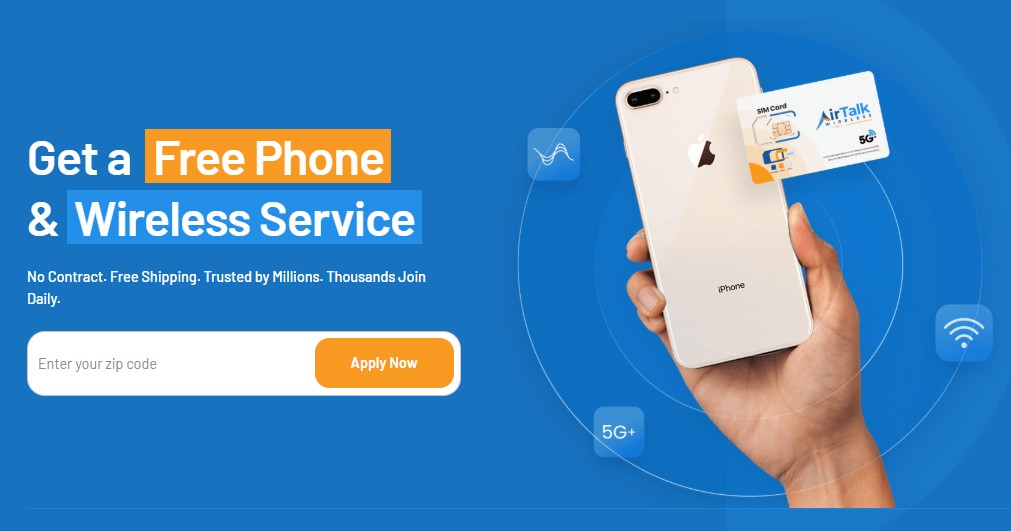
AirTalk’s Lifeline plans can include unlimited talk and text, monthly data, useful calling features, and, most excitingly, access to free or discounted smartphones!
Available device offers may include models such as the iPhone 11, Samsung Galaxy A42 5G, Google Pixel 3a, etc. Options, prices, and availability may vary by location and current promotions.
Explore your Lifeline plan today with AirTalk and find a phone offer that fits your needs!
DISCLAIMER: The government does not subsidize devices. Lifeline programs cover basic service costs only. Free or discounted devices, upgrade plans, or top-ups are exclusive benefits provided by AirTalk Wireless and Cintex Wireless as part of the promotional offers. Terms and conditions apply. Limited-time promotion—offers vary by state, stock availability, and eligibility.
FAQs
What are the four types of Medicaid?
There are no four official federal Medicaid types. Common overlapping categories include MAGI-based coverage, Medicaid for older adults or people with disabilities, home and community-based long-term care, and institutional long-term care.
Is there a look-back period for community Medicaid?
Ordinary Medicaid coverage generally does not involve an asset-transfer look-back. However, a 60-month look-back typically applies to nursing home Medicaid and certain HCBS waiver services. Rules depend on the state and program.
What is the income limit for community Medicaid?
There is no nationwide income limit for community Medicaid. Eligibility depends on your state, coverage category, and household circumstances. Certain long-term care programs also have asset limits or different financial eligibility rules.
Who is eligible for community Medicaid for seniors?
Seniors may qualify based on income, assets, residency, and other Medicaid eligibility requirements. Those seeking home-based long-term care may also need a functional assessment. Specific requirements vary by state and program.
Conclusion
Choosing care that allows someone to remain at home can mean more than avoiding a nursing facility. Familiar surroundings, daily routines, and time with loved ones can make a real difference in quality of life.
Before making financial or care decisions, speak with the state Medicaid agency about the services available and the rules that apply. A clear answer about community Medicaid vs Medicaid can help families plan with greater confidence and avoid overlooking support that may be available.