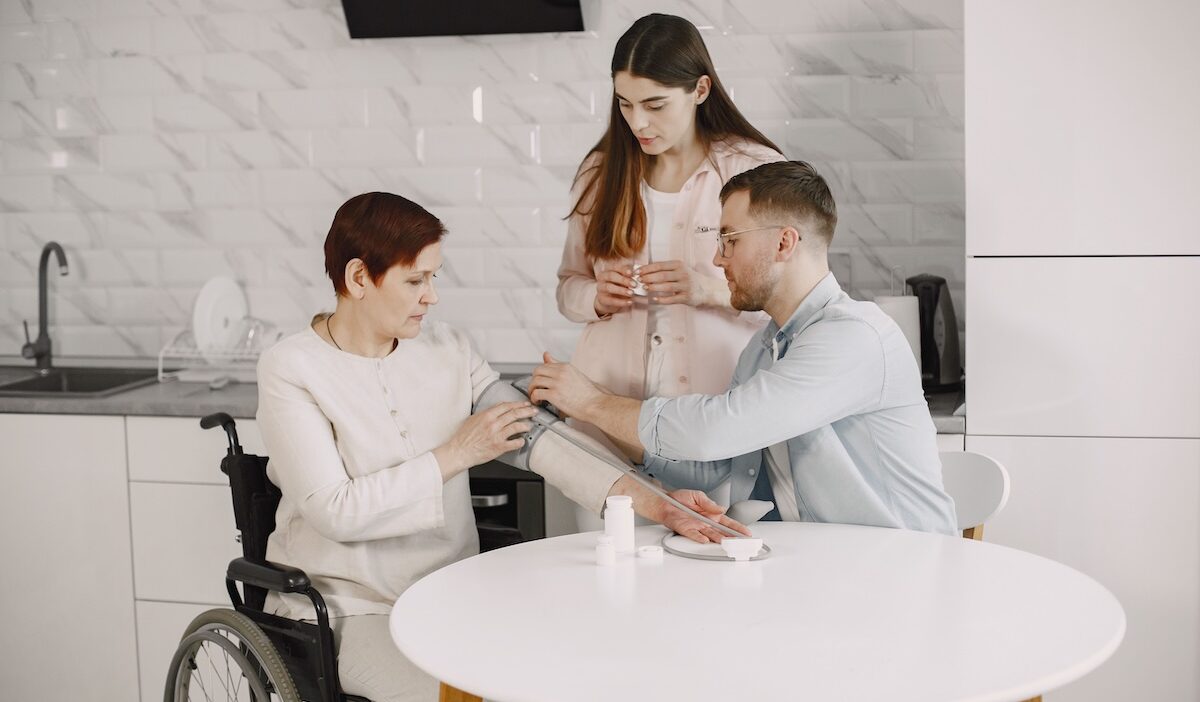
Medicaid home care can cover different types of support at home, from skilled medical services to help with everyday activities. What is covered depends on your state, your Medicaid eligibility pathway, and an assessment of the care you actually need.
Some people qualify through regular home health or personal care benefits, while others need an HCBS program for broader long-term support. Family caregivers may also be paid under certain self-directed programs. Use this guide to identify the right pathway, understand the approval process, and know what to ask for before requesting an assessment.
1. What Does Medicaid Home Care Cover?
Medicaid home care may include medical services, help with daily activities, and broader community-based support. What you can receive depends on your state’s programs and assessed needs.
- Home health services for medical needs
Medicaid home health can include part-time or intermittent nursing, home health aide services, and medical supplies, equipment, or appliances needed at home. States may also cover physical therapy, occupational therapy, speech-language pathology, and audiology through the home-health benefit.
These services generally require an appropriate practitioner order and written plan of care. Unlike Medicare home health, Medicaid cannot restrict this benefit only to people who are homebound.
Home health should also be distinguished from personal care. Home health focuses more on medical and health-related needs, while personal care commonly helps with everyday activities such as bathing, dressing, eating, and toileting.
- Personal care assistance with daily activities
Personal care helps with activities such as bathing, dressing, eating, and toileting. Related household tasks may qualify when included in the approved plan. This assistance differs from skilled nursing.
- Additional support through home and community-based services
HCBS programs may provide respite, habilitation, adaptive equipment, home modifications, or other supports. Medicaid home care does not mean every service is available to every member; the program and assessment determine the package.

2. Which Medicaid Home Care Pathway Applies To You?
States use several authorities to deliver services. This comparison connects the benefit to its usual access point.
| Pathway | What It Generally Provides | Where To Start |
| State-plan home health | Medical services, aides, supplies, and applicable therapies | Treating clinician and Medicaid plan |
| State-plan personal care | Assistance with approved daily activities | Medicaid agency or plan |
| 1915(c) HCBS waiver | Additional supports for designated populations meeting institutional level-of-care criteria | State waiver office or designated agency |
| 1915(i) HCBS state-plan benefit | Supports based on state-defined needs criteria | State agency or plan |
| 1915(k) Community First Choice | Attendant services for eligible people meeting institutional level-of-care requirements | State agency or plan |
| Section 1115 demonstration | State-specific services under approved demonstration terms | Relevant state program |
Availability varies. Managed care describes how services are administered; it is not itself a separate Medicaid home care benefit.
>>> Read more: Does Medicaid Cover Home Health Care? Key Facts to Know
3. Who May Qualify For Medicaid Home Care?
Qualifying for Medicaid home care involves both financial eligibility and an assessment of the support you need. Requirements depend on your state and the service pathway:
- Medicaid financial eligibility: You must meet the income and other eligibility requirements for the applicable Medicaid category.
- Resources and assets: MAGI-based Medicaid generally has no asset test. Other pathways, including many based on age, blindness, disability, or long-term-care needs, may assess countable resources and apply exclusions.
- Medical necessity: Requested medical services must be supported by your condition and appropriate clinical documentation.
- Functional need: Personal assistance generally depends on difficulties completing everyday tasks, rather than a diagnosis alone.
- Assessment of everyday support needs: A review considers how independently you handle personal care, including washing, getting dressed, and feeding yourself (ADLs), alongside tasks such as cooking and keeping track of medicines (IADLs).
- Institutional level of care: Some home and community-based services (HCBS) pathways require needs comparable to a nursing facility or another institution.
- Program-specific assessments: Additional evaluations may determine whether you meet the program’s criteria and which services, hours, or supports can be authorized.
Medicaid eligibility does not automatically establish eligibility for every home-care service. Each requested benefit must also meet its applicable assessment and coverage requirements.

4. How To Request Services And Arrange Care
Once you know which type of Medicaid home care may fit your needs, the next step is to request an assessment and work through the approval process.
Step 1. Identify the pathway: Ask which Medicaid home care programs address your needs.
Step 2. Confirm eligibility: Check active coverage and whether another financial review is required.
Step 3. Request an assessment: Contact the plan, clinician, or designated program office.
Step 4. Provide records: Submit requested medical and financial information, including details about tasks you cannot complete safely.
Step 5. Review approval: Check authorized services, hours, duration, and appeal instructions if you disagree.
Step 6. Arrange delivery: Select an available participating provider or approved self-directed option and confirm the start date.
For example, someone needing wound care and bathing assistance may require two coordinated services. Approval alone does not establish when a worker becomes available.
>>> Read more: CareFirst Community Health Plan: Is It Maryland Medicaid?
5. Can A Family Member Be Paid To Provide Care?
Yes, in some Medicaid programs. Self-directed services may allow a participant to choose and manage the person providing approved care, and that caregiver can sometimes be a relative.
Medicaid offers self-direction through several authorities, including 1915(c) waivers, 1915(i) HCBS, 1915(j) self-directed personal assistance services, and 1915(k) Community First Choice. However, the rules for paying relatives are not identical.
Adult children, siblings, and other relatives may be allowed to provide paid care when they meet the program’s requirements. Spouses, parents of minor children, and other legally responsible relatives face additional rules. Some Medicaid authorities allow states to pay these relatives, while others restrict when they can be hired.
An approved family caregiver may also need to complete provider enrollment, background checks, training, payroll procedures, electronic visit verification, or other state requirements.
Providing unpaid care to a family member does not automatically create a right to Medicaid payment. Both the service and the caregiver arrangement must be approved under the applicable state program.
6. Keep Home-Care Calls And Schedule Updates Within Reach
Home care through Medicaid comes with plenty of phone calls, and an affordable plan makes it easier to stay in the loop. If you’re enrolled in Medicaid, you may already qualify for Lifeline, a federal program that cuts the monthly cost of phone service or internet service.
Medicaid alone is enough to qualify, with no separate income check. SNAP, SSI, Federal Public Housing Assistance, or a household income at or below 135% of federal poverty guidelines can also make you eligible. Your enrollment is verified separately, and each household is limited to one Lifeline benefit.
Lifeline service comes through an approved Eligible Telecommunications Carrier (ETC), which applies the discount, so you’ll sign up with a participating provider.
Cintex Wireless is one option, offering Lifeline plans along with device promotions so eligible households can get a monthly plan and an affordable phone in one place. With its announced merger into AirTalk Wireless, the device options are now wider.
Depending on your ZIP code and selected offer, available benefits may include:
- Talk and text: Take care-team calls and receive schedule reminders.
- Monthly mobile data: Look up care details and log in to online portals.
- Free or discounted phones: Swap out a device that makes daily communication a struggle.
Before applying, please confirm the plan allowances, device availability, and any charges, as promotional phones depend on eligibility, inventory, and terms. A dependable connection keeps assessment updates and caregiver calls within easy reach.
IMPORTANT: The government does not subsidize devices. Lifeline programs cover basic service costs only. Free or discounted devices, upgrade plans, or top-ups are exclusive benefits provided by Cintex Wireless and AirTalk Wireless as part of the promotional offers. Terms and conditions apply. Limited-time promotion—offers vary by state, stock availability, and eligibility.
7. FAQs
Does Medicaid pay for 24-hour care at home?
Potentially, but not as a standard home-health benefit. Some Medicaid HCBS, private duty nursing, hospice, or other state-specific programs may authorize extensive in-home support when eligibility and medical or functional requirements are met. Coverage limits and available hours vary considerably by state and program.
Can I receive home care if I already have Medicare?
Yes, potentially. If you have both programs, Medicare generally pays first for services it covers, while Medicaid pays after Medicare and may cover additional services Medicare does not, such as certain personal care or long-term services and supports. You must still meet Medicaid’s eligibility and service requirements.
Do all home-care programs have waiting lists?
No. Some waivers have limited enrollment and waiting lists; other pathways operate differently. Even without a waiting list, provider shortages may delay care.
Can I choose my caregiver or home-care agency?
Yes, within program rules. Your choices depend on participating providers and availability. Approved self-directed options may also let you hire a qualified caregiver, including certain relatives.
Conclusion
Getting Medicaid home care in place usually requires more than having Medicaid coverage. The service itself must fit an available state pathway, your care needs must be assessed, and the requested support must be authorized before care can begin.
Start by identifying whether you need medical home health, personal assistance, or broader long-term services. Then contact your Medicaid plan or state program to request the appropriate assessment and confirm any provider or self-direction options available to you. Once approved, verify the authorized services and start date so coverage turns into the care you actually need.