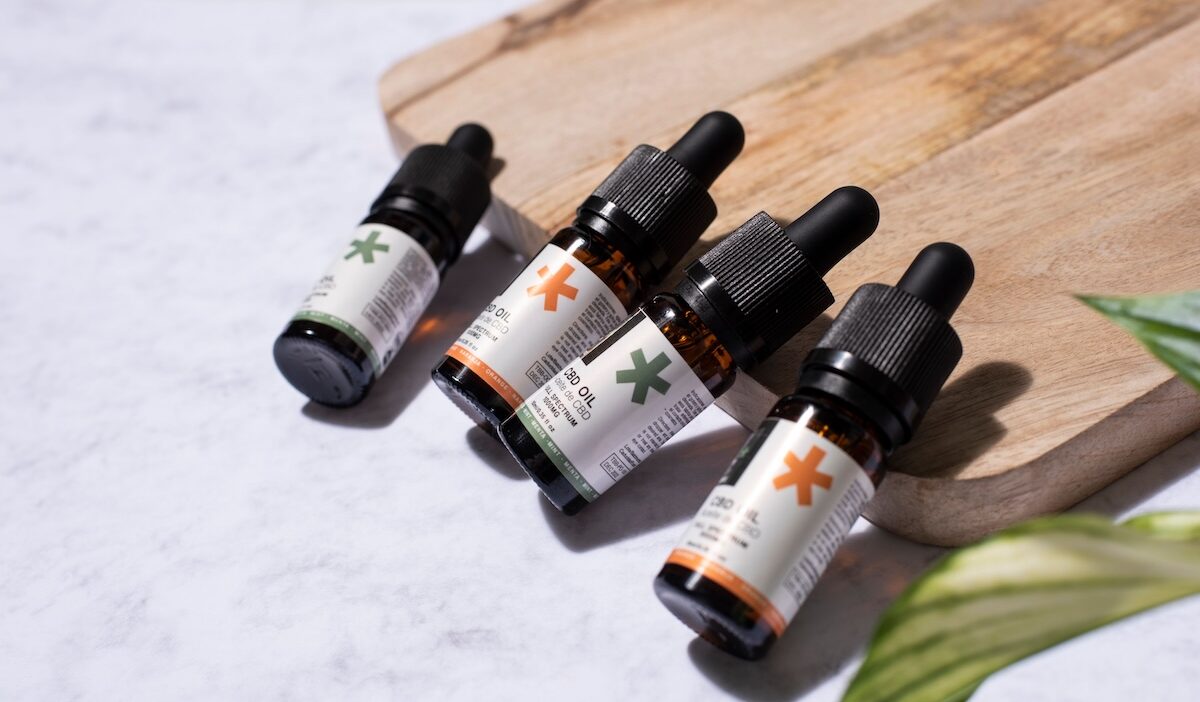
A bottle labeled “CBD” may look like an affordable treatment option, but a clinician’s recommendation does not explain whether insurance will pay.
If you’re asking, will Medicaid pay for CBD oil, the exact product matters. Retail CBD and prescription cannabidiol follow different rules. Check that distinction before spending money.
1. Will Medicaid Pay For CBD Oil?
Generally, Medicaid does not cover ordinary retail CBD oil. However, it may cover Epidiolex, an FDA-approved prescription cannabidiol medication, when applicable coverage requirements are met.
The answer to “will Medicaid pay for CBD oil” therefore depends on the product, diagnosis, and pharmacy benefit, not simply whether something contains CBD.

2. CBD Oil Vs. Epidiolex: Which Products May Medicaid Cover?
Not every product containing CBD qualifies for prescription drug coverage. The key difference is whether it is an FDA-approved medication or an unapproved retail or compounded product.
| Product | Regulatory status and coverage distinction |
| Retail CBD oils, gummies, and topicals | Generally not covered; these are not FDA-approved treatments |
| Epidiolex oral solution | May be covered as a prescription medication, subject to Medicaid requirements |
| State-regulated medical cannabis | A medical cannabis card doesn’t establish Medicaid coverage |
| Compounded cannabidiol | Not an FDA-approved equivalent of Epidiolex; coverage is uncertain and must be verified |
Epidiolex is currently the only FDA-approved medication containing CBD. It treats seizures associated with Lennox-Gastaut syndrome, Dravet syndrome, and tuberous sclerosis complex in patients aged 1 year and older.
Unlike ordinary retail CBD products, Epidiolex has undergone FDA review for its approved uses. It is prescribed and dispensed as a regulated medication.
A medical cannabis recommendation or registration card doesn’t change the coverage status of retail CBD. Even where medical cannabis is permitted under state law, Medicaid generally doesn’t pay for dispensary products.
Compounded CBD products also lack FDA approval and shouldn’t be assumed to have the same safety, effectiveness, or insurance coverage as Epidiolex.
>>> Read more: How Long Does Medicaid Pay for Long-Term Care? The 100-Day Myth
3. What Determines Medicaid Coverage For Prescription CBD?
For prescription treatment, “will Medicaid pay for CBD oil” becomes a question about specific clinical and billing requirements.
Diagnosis and age
Epidiolex is FDA-approved for seizures associated with Lennox-Gastaut syndrome, Dravet syndrome, and tuberous sclerosis complex in patients aged 1 year and older.
Some Medicaid programs may consider additional diagnoses under their own coverage policies.
Medical necessity and treatment history
Your clinician may need to document your diagnosis, previous seizure treatments, and why Epidiolex is appropriate.
Coverage requirements vary by state and Medicaid plan.
Prior authorization and continued coverage
Some Medicaid programs require prior authorization or other clinical verification before paying for Epidiolex.
For example, Oklahoma’s 2026 Medicaid criteria include the three FDA-approved conditions and intractable epilepsy. Members must be at least 1 year old. Patients already stable on Epidiolex with a seizure diagnosis may qualify for continued treatment.
Oklahoma also describes circumstances in which qualifying claims may be processed at the pharmacy based on diagnosis history and manufacturer rebate arrangements.
Pharmacy requirements
Your pharmacy must be able to dispense Epidiolex and bill the appropriate Medicaid benefit. Additional authorization or specialty-pharmacy requirements may apply.
Before filling the prescription, ask your Medicaid plan whether Epidiolex is covered for your diagnosis and whether approval is needed.

4. How To Check Medicaid Coverage Before Filling A CBD Prescription
Before purchasing a CBD product or filling a prescription, follow these steps:
- Identify the product: Confirm whether you’re buying retail CBD, medical cannabis, a compounded preparation, or prescription Epidiolex. These products have different coverage rules.
- Check your Medicaid drug benefits: Contact your state Medicaid program or managed care plan to confirm whether the medication is covered for your diagnosis and whether prior authorization is required.
- Verify pharmacy billing and costs: Ask whether your pharmacy can dispense the medication, whether approval has been granted, and if any copayment applies.
If a prescription claim is denied, request the reason and ask your prescriber or pharmacy whether additional documentation or a billing correction could help.
Remember that a doctor’s recommendation doesn’t make ordinary retail CBD a covered prescription medication. Consult your clinician before changing or stopping prescribed treatment.
>>> Read more: How Much Does Medicaid Pay for Adult Day Care? Rates and Your Share
5. Your Prescription Isn’t The Only Cost Worth Checking
When a prescription needs prior authorization, you may find yourself waiting for calls from your doctor, pharmacy, or Medicaid plan. If healthcare expenses are already stretching your budget, reducing your monthly phone bill could make staying connected easier.
The Federal Lifeline Program helps eligible households save on phone service or internet service. You may qualify through Medicaid, SNAP, SSI, Federal Public Housing Assistance, or household income at or below 135% of the Federal Poverty Guidelines.
Generally, only one Lifeline benefit is allowed per household. To receive the discount, you must enroll through a participating Eligible Telecommunications Carrier (ETC).
Fortunately, Cintex Wireless is one of such ETCs. The carrier has helped eligible households stay connected without breaking their budget through its service plan along with a promotional device.
It also announced that it has merged into AirTalk Wireless. This merger expands the device selection available to eligible applicants and simplifies enrollment, making it easier to compare service plans and phone offers.
Getting started generally involves:
- Check service availability: Visit AirTalk’s website and enter your ZIP code to see the options available in your area.
- Compare plans and devices: Review coverage, monthly allowances, device prices, and applicable charges before choosing.
- Complete your application: Provide the required information and upload proof of eligibility if requested.
- Submit and await approval: Once approved, follow the carrier’s instructions to activate your service.
Plans and device offers vary by location, eligibility, and inventory. A suitable connection can help you receive pharmacy callbacks, respond to documentation requests, and keep prescription follow-ups on track.
IMPORTANT: The government does not subsidize devices. Lifeline programs cover basic service costs only. Free or discounted devices, upgrade plans, or top-ups are exclusive benefits provided by AirTalk Wireless and Cintex Wireless as part of the promotional offers. Terms and conditions apply. Limited-time promotion—offers vary by state, stock availability, and eligibility.
6. FAQs
Does a doctor’s recommendation make retail CBD oil covered?
No. A doctor’s recommendation does not automatically qualify retail CBD oil for Medicaid coverage. Medical recommendations and insurance reimbursement follow different rules, and most over-the-counter CBD products are not covered.
Does Medicaid cover CBD oil for pain or anxiety?
No, generally not. Medicaid typically does not cover retail CBD oil for pain or anxiety. Epidiolex, an FDA-approved prescription cannabidiol medication, is approved for certain seizure disorders, not for treating pain or anxiety.
Does a medical cannabis card change Medicaid coverage?
No. Having a medical cannabis card does not automatically make CBD products eligible for Medicaid reimbursement. State medical cannabis programs and Medicaid coverage operate under separate requirements.
Can Medicaid reimburse CBD oil I already purchased?
Generally, no. Medicaid does not typically reimburse retail CBD oil purchases, even with a doctor’s recommendation. However, if you paid for a covered prescription medication because of a billing error, contact your Medicaid plan or pharmacy about possible reimbursement.
Conclusion
Will Medicaid pay for CBD oil? Generally, Medicaid does not cover retail CBD products, but prescription Epidiolex may qualify when medical necessity and plan requirements are met.
Before purchasing CBD products, identify whether the medication is FDA-approved, review your state’s Medicaid coverage rules, and confirm pharmacy billing requirements. These steps can help you understand your options and avoid unexpected expenses.