
SSI interview questions can feel intimidating when you don’t know what Social Security will ask. Will they want exact figures from your bank account? What if you can’t remember a date or explain how your child’s condition affects everyday life?
You don’t want to arrive unprepared, especially when your benefits could depend on the information you provide. Before your appointment, get familiar with the questions SSA may ask and the details worth having ready so you can answer with confidence.
1. What SSI Interview Questions Does SSA Ask?
If you’re wondering “what questions does SSI ask in an interview,” expect questions about your identity, household, income, and resources. If you’re applying based on a disability, SSA may also ask about your medical history and ability to work.
Here are nine common examples to help you prepare. These reflect the information SSA collects, although the exact wording may vary.
Questions About Your Identity and Household
- Who currently lives with you, and are you married?
- How much do you pay toward rent, a mortgage, or utilities?
- Does anyone help you pay your housing expenses?
SSA may also ask you to verify your legal name, birth date, Social Security number, and citizenship or eligible immigration status.
Questions About Income and Resources
- Are you currently working, and how much do you earn?
- Do you receive other benefits, pensions, or financial assistance?
- What bank accounts, vehicles, property, or other resources do you own?
Be prepared to explain changes in income, shared ownership, or financial support from others. SSA will determine which amounts count under SSI rules.
Questions About Your Health and Work History
For disability-based applications, additional questions may include:
- What medical conditions do you have, and when did they begin affecting you?
- Which doctors, hospitals, or specialists have treated you?
- How do your conditions affect your everyday activities or ability to work?
Specific examples can help explain your situation. For instance, describe a task you can no longer complete or how your condition affected your previous work.
Keep in mind: People aged 65 or older may qualify for SSI without establishing a disability. Their interviews generally focus on financial and other applicable eligibility requirements rather than proving a disabling medical condition.
2. Applying for a Child? Expect These Additional Questions
Parents and guardians applying for a child may face additional SSI interview questions for child medical condition, school performance, and daily functioning.
SSA evaluates childhood disability by considering how seriously a condition limits the child’s activities compared with other children of the same age.
Here are six possible questions:
Questions About Your Child’s Condition
What medical conditions does your child have, and when did they begin?
Explain the conditions and relevant symptoms. Include information about the doctors or specialists who provide treatment.
How does your child’s condition affect everyday activities?
Describe challenges with learning, communicating, moving around, or handling age-appropriate personal care.
What medical treatment or therapy does your child receive?
Be ready to discuss medications, appointments, therapy, and the providers involved.
Questions About School and Household Circumstances
Does your child need additional help at school?
Mention special education services, an Individualized Education Program (IEP), a Section 504 plan, or other classroom accommodations.
Who lives with your child, and what income do the parents receive?
SSA may consider part of a parent’s income and resources when determining a child’s SSI eligibility. A stepparent’s finances may also count under applicable circumstances.
What financial resources or other benefits are available to your child and household?
Be prepared to explain relevant bank accounts, savings, and financial assistance. SSA applies exclusions and deductions when determining which parental resources count.
School reports, medical records, and information from teachers or therapists can help SSA understand your child’s needs.
You don’t need to memorize answers. Focus on describing your child’s actual circumstances, using everyday examples and available records.

3. Five Things to Prepare Before Your SSI Interview
The easiest way to prepare for the interview is to put the information you’ll need in one place. Start with the appointment notice, then match records to the details SSA may ask you to confirm.
- Confirm the appointment
Check the date, time, and whether you’ll meet by phone or in person. Ask SSA about interpreter services or accessibility assistance in advance, and confirm any changes directly with the agency.
- Gather identity and household documents
Pull together available proof of age, identity, residence, and citizenship or immigration status, as applicable. Note who lives with you and how you share housing expenses.
- Review financial records
Set aside recent pay stubs, benefit letters, bank statements, and records for property or other resources. SSA may ask for additional records if it needs to verify an amount or who owns an asset.
- Organize medical and school information
List medications, treatment dates, and provider contacts for a disability claim. For a child, include relevant school records and a few examples of the help they need during an ordinary day.
- Answer accurately and ask for clarification
If you’re unsure of a date or amount, say so and ask how to provide it later. Ask SSA to explain unfamiliar terms, and write down any requested records and deadlines.
Keep your appointment even if your paperwork is incomplete. Tell SSA what’s missing so the agency can explain what it needs and help you obtain it where possible.
>>> Read more: Medicaid Claim Address: State Medicaid or Health Plan?
4. What Happens After Your SSI Interview?
Your application can still be under review after the interview. SSA may ask for missing proof of identity, income, or resources. Respond to official requests by the deadline listed and keep a copy of what you submit.
If your claim requires a disability decision, it may go to your state’s Disability Determination Services (DDS). DDS may contact your healthcare providers for records or ask you to attend an agency-arranged exam if more evidence is needed.
You’ll receive a written determination when the applicable review is complete. Timing varies, and your eligibility remains pending until SSA makes a decision.
5. Keep Your Next SSA Call Within Reach with Affordable Wireless Service
After your SSI interview, SSA may ask for something as simple as one page of a bank statement. Having a working phone lets you return the call, confirm which page SSA needs, and check your application status online.
Lifeline is a separate federal program that helps eligible households pay for phone service or internet service.
- You may qualify if you receive SSI, participate in another qualifying program such as Medicaid or SNAP, or have household income at or below 135% of the Federal Poverty Guidelines.
- Lifeline provides up to $9.25 per month for eligible internet or bundled service, or up to $5.25 for eligible voice-only service. Qualifying households on Tribal lands may receive up to $34.25 per month.
- Eligibility must be verified, and each household can receive one non-transferable benefit through a participating Eligible Telecommunications Carrier (ETC).
Cintex Wireless has provided Lifeline-supported service. Following its merger into AirTalk Wireless, a participating ETC, eligible customers can check which plans and device options are available in their area.
With an available plan, you can use talk minutes to return an SSA call, text someone who’s helping you gather records, and use mobile data to check your SSI application status.
You may be able to bring a compatible phone or choose from current device offers. Plan allowances and device offers depend on eligibility, location, inventory, and offer terms, and charges may apply.
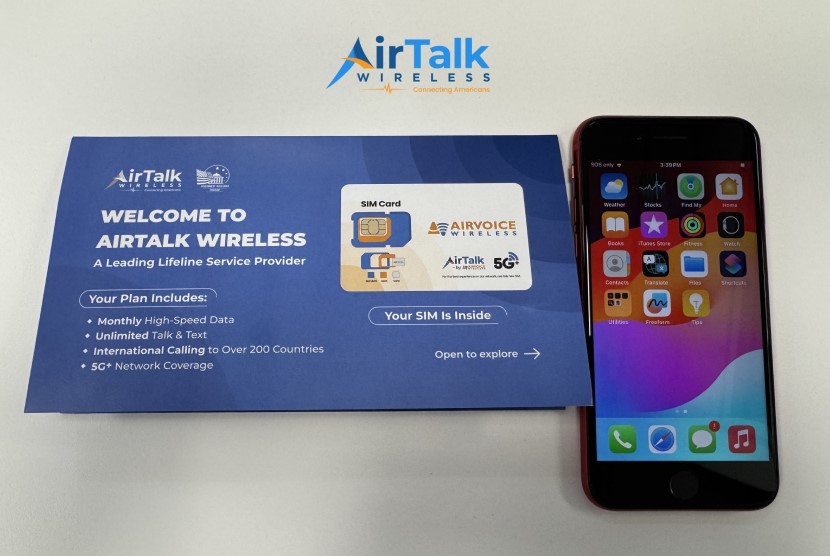
Check local availability through AirTalk’s official application. Enrollment requires Lifeline eligibility verification and approval. An SSI application alone does not establish Lifeline eligibility or enroll you in AirTalk service.
IMPORTANT: The government does not subsidize devices. Lifeline programs cover basic service costs only. Free or discounted devices, upgrade plans, or top-ups are exclusive benefits provided by AirTalk Wireless and Cintex Wireless as part of the promotional offers. Terms and conditions apply. Limited-time promotion—offers vary by state, stock availability, and eligibility.
Conclusion
Preparing for SSI interview questions is easier when you can explain what changed, when it happened, and which records back it up. Bring the information you have, keep the appointment, and leave yourself a clear note about anything SSA asks you to send afterward.