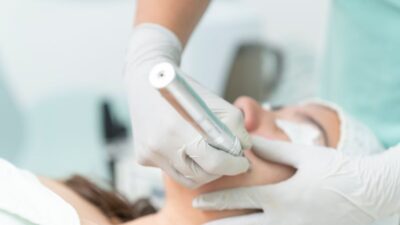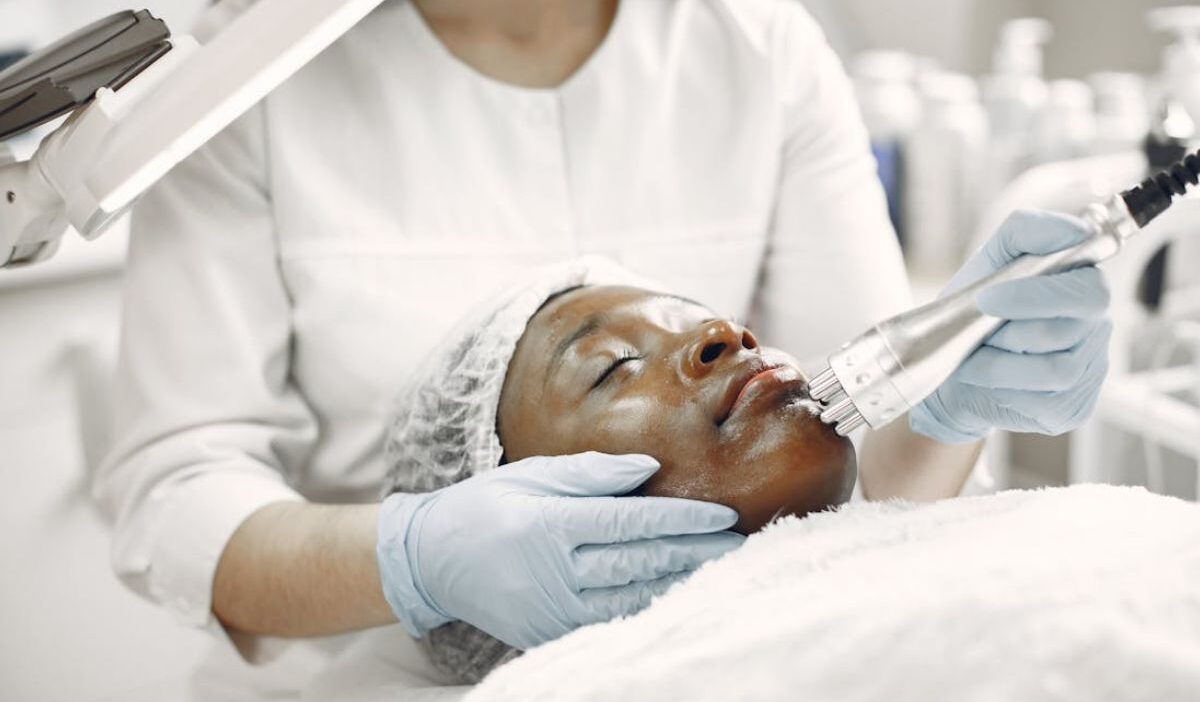
Medicaid is the largest public health insurance program in the United States, covering millions of low-income individuals and households. While the program provides vital medical care, many individuals question where they can find a dermatologist that accepts Medicaid.
In this post, we will look at the limitations of Medicaid coverage for dermatological treatments and easy tips to get Medicaid benefits.
1. Can You See a Dermatologist with Medicaid?
Yes, a dermatologist that takes Medicaid exists.
Generally, a dermatologist Medicaid refers to a physician who enrolls in your state’s Medicaid program and has agreed to adhere to its billing regulations, coverage standards, and reimbursement rates.
However, it is worth noting that dermatologists in private practice can choose which insurance plans to accept.
And because Medicaid pays doctors less than commercial insurers do, many opt not to participate, even if they have private insurance or Medicare.
>>>Read more: Medicare And Medicaid For Dummies: Top 5+ Key Differences
2. What Conditions and Treatments Are Usually Covered by a Dermatologist Medicaid?
Coverage details vary by state; many Medicaid programs provide care for common and chronic skin problems, such as:
- Acne poses a risk for discomfort, infection, and scarring.
- Eczema, psoriasis, and other chronic inflammatory skin diseases
- Skin illnesses like rashes, fungal infections, or abscesses.
- Suspicious moles or lesions that may require examination or biopsy
- Scalp or hair disorders connected to underlying medical concerns
Cosmetic operations, such as cosmetic treatments or elective mole removal, are often not covered unless a medical cause is provided.
Also, Medicaid may pay for follow-up visits, prescription medicines, and monitoring as clinically indicated.
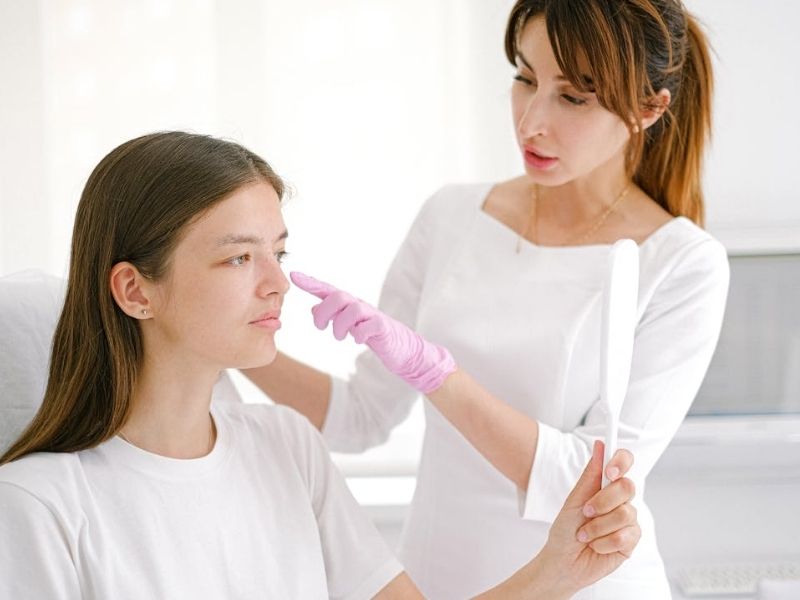
Although Medicaid covers a wide range of medical treatments, dermatology coverage may not always be comprehensive.
In addition, Medicaid coverage for dermatological services may have stringent eligibility requirements, such as the severity of the condition.
3. How to Find a Dermatologist That Accepts Medicaid?
When it comes to dermatological treatments, Medicaid is critical to ensuring people have access to the care they need.
It is because Medicaid coverage includes the diagnosis and treatment of a variety of skin conditions.
Use the following strategies to identify a dermatologist that accepts Medicaid:
Use Your State Medicaid Provider Directory
If your Medicaid is handled by a plan, the plan’s website may include a provider search tool.
Then, log in, search for specialists, enter “dermatology” or “dermatologist near me”, and search by ZIP code.
The results you get are specific to your strategy, making them more valuable than a generic Google search.
However, these directories may become outdated.
A doctor’s name may remain even if they stopped accepting new Medicaid patients six months ago. So, whichever name you discover, call the office first to ensure you can book.
Call Dermatology Clinics Directly
One of the most practical ways to find a dermatologist that accepts Medicaid is to call dermatology clinics directly.
This lets you confirm whether the office takes your specific Medicaid plan, whether they are accepting new patients, and whether a referral is necessary before scheduling.
Calling ahead can save time and help you avoid clinics that do not participate in Medicaid or do not offer the type of skin care you need.
When calling, ask these questions to ensure the dermatologist that accepts Medicaid has expertise in treating the specific dermatological issue you are seeking assistance for:
- Do you take Medicaid as payment?
- Do you have previous experience treating Medicaid-covered conditions?
- What is your current availability for new Medicaid patients?
- What paperwork or documentation is necessary for Medicaid patients?
Ask for a Primary Care Referral
Some Medicaid plans will not cover a dermatology visit unless your primary care doctor refers you first.
Checking this early can help you avoid delays, prevent billing issues, and ensure the specialist visit is covered under your plan.
>>>Read more: What Is Family Planning Medicaid? Don’t Miss Out On Your Benefits
4. A Surprising Benefit for Medicaid Beneficiaries with Lifeline Program
For many Medicaid recipients, every dollar counts. While Medicaid covers healthcare, phone bills can still stretch a tight budget. That’s when you can they can turn to Lifeline to secure a stable connection while staying on budget.
Medicaid is a direct qualifying program for Lifeline, which means many Medicaid recipients can apply right away through that route.
Alternatively, people who do not qualify through Medicaid may still qualify through income at or below 135% of the Federal Poverty Guidelines or through other approved programs such as SNAP, SSI, Federal Public Housing Assistance, or Veterans Pension and Survivors Benefit.
Lifeline is a government assistance program overseen by the Federal Communications Commission. It helps low-income families stay connected by offering a monthly discount on phone service.
Moreover, the eligible telecommunication carrier, such as Cintex Wireless, applies the Lifeline subsidies to their service package and, in many circumstances, provides a free device to fully support qualified homes.
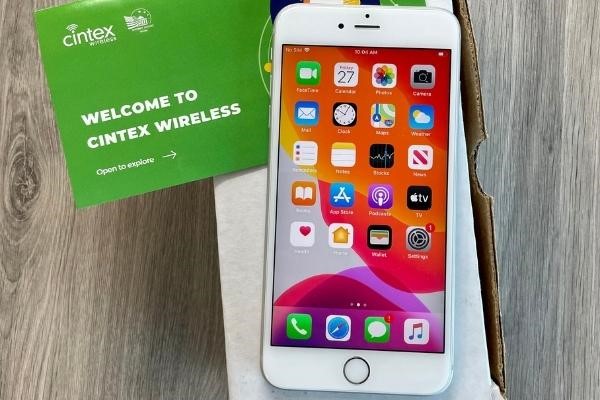
Nevertheless, there are several things to keep in mind about the Lifeline program and its benefits:
- The service is a non-transferable Lifeline service
- Only eligible customers can enroll in Lifeline service
- The service is limited to one discount per household
- The participants apply for the benefit through Eligible Telecommunications Carriers (ETC)
Cintex Wireless is currently merging with AirTalk Wireless. Therefore, the application process will be redirected to airtalkwireless.com. Here are detailed steps:
- Go to AirTalk Wireless and enter your ZIP code to check whether service is available in your area.
- Review the available plan and device options, which can vary by state and coverage area.
- Confirm that you qualify for Lifeline and prepare any required identity and eligibility documents.
- Complete the application through AirTalk’s site and submit your information for review.
- If approved, wait for your device or service setup details and follow any next steps AirTalk provides.
Notice: The government does not cover device costs, only basic service through Lifeline. Any free or discounted devices, upgrades, or top-ups are limited-time Cintex Wireless offers and may vary by state, eligibility, and availability. Terms and conditions apply.
Conclusion
Locating a dermatologist that accepts Medicaid allows you to receive crucial skin treatment while avoiding unexpected expenses.
Knowing your options, from approved medical treatments to limited cosmetic procedures, helps you achieve better health outcomes.