
Many people wonder, Is WIC part of SNAP?, especially since both programs help families access food and nutrition support.
While they may seem similar at first, they are not the same program. In fact, there are some important differences in who qualifies, what benefits they provide, and how to apply.
Is WIC Part of SNAP?
The Special Supplemental Nutrition Program for Women, Infants, and Children (WIC) and the Supplemental Nutrition Assistance Program (SNAP) are two independent government aid programs.
WIC and SNAP are both federal nutrition programs supported by the United States Department of Agriculture (USDA).
They help low-income families purchase food; however, they serve different objectives and function in distinct ways.
In addition, while both programs are operated by state and local agencies and organizations, they both employ federal funds to assist individuals in American towns, cities, and neighborhoods.

What Are the Differences between WIC and SNAP?
Is WIC part of SNAP? The answer is no. Below are the major differences between these two federal programs:
Key Benefits
WIC aims to improve the health of women and their young children by providing a number of critical benefits, including:
- Nutritious foods: WIC provides food packages, which may include fruits, vegetables, whole grains, dairy products, eggs, beans, peanut butter, tofu, and iron-fortified cereals.
- Infant formula and baby food: For mothers who cannot breastfeed, WIC may provide iron-fortified infant formula and baby foods to support early nutrition.
- Breastfeeding support: WIC offers peer support, lactation help, and extra food benefits for mothers who exclusively breastfeed.
- Health and social service referrals: Participants may also be referred to healthcare providers, immunization services, and other support programs.
- Nutrition education: WIC offers guidance on healthy eating, meal planning, and nutrition through counseling and classes.
- eWIC card: Eligible individuals may use the eWIC card, which works like a debit card at WIC-approved grocery stores and farmers’ markets.
On the other hand, SNAP is intended for people and families experiencing financial difficulty, and it provides funding to purchase a wide variety of groceries.
The benefits are delivered on an EBT card that works like a debit card. It may be used to purchase groceries from stores that accept EBT cards.
Overall, while both programs promote food access, WIC has more restrictions on eligible goods, whereas SNAP offers more purchase options.
>>>Read more: How To Use WIC Online Walmart Easily? A Step-By-Step Guide
Eligibility Criteria
Both programs have different eligibility requirements as follows:
| WIC Eligibility Criteria | SNAP Eligibility Criteria |
| 1. Applicants must reside in the state where they apply. 2. Applicants must be pregnant, postpartum (up to one year if breastfeeding, six months if not), infants, or children under five. 3. Household income must be at or below 185% of the federal poverty level. 4. A healthcare specialist must decide whether the applicant is at risk owing to inadequate nutrition, medical disorders, or developmental issues. | 1. Applicants must reside in the state where they apply. 2. Larger households have higher income limits. 3. Households must have gross and net incomes below federal poverty criteria, which are often at or below 130% of the poverty line. 4. Able-bodied adults with no dependents (ABAWDs) must complete labor or training requirements. |
Eligible and Ineligible Items
WIC food items include vegetables and fruits, eggs, milk, beans, juice, peanut butter, cheese, canned fish, yogurt, baby food, and infant WIC-approved cereal.
It also covers WIC baby formula and whole grain foods such as rice, tortillas, bread, cereal, and pasta.
Your WIC-eligible foods will vary depending on your child’s age, medical needs, and preferences. Soy milk, lactose-free milk, and other alternatives are available for your WIC benefits.
Other foods not specified are deemed ineligible. For the best result, check with your local WIC office to see which brands and foods are available in your region, as options might vary by state.
In contrast, SNAP benefits may be used to purchase almost any staple food. Participants can also purchase “Nutrition Facts”- labeled goods, including snack foods, energy drinks, non-alcoholic beverages, etc.
However, beer, wine, cigarettes, and tobacco, among other things, are not eligible.
Check out the complete list: https://www.fns.usda.gov/snap/eligible-food-items
Recertification Requirements
SNAP usually has recertification periods that vary by state, often around 6 to 12 months. However, some elderly or disabled recipients may have longer periods.
To continue receiving benefits, recipients must update their income, household information, and other required documents on time.
On the contrary, WIC often requires recertification more frequently, usually every 6 months to 1 year.
In addition to income updates, WIC participants may also need to confirm continued nutritional risk, and children will no longer qualify once they turn 5.
How to Apply for WIC Benefits?
Applying for WIC benefits usually starts with checking whether you meet the program’s eligibility rules, then contacting your local WIC office to begin the application process and schedule an appointment.
Moreover, you may need to prepare documents such as proof of identity, address, income, or participation in another qualifying program.
For a full step-by-step guide, read our article on “How to Apply for WIC?”
How to Apply for SNAP Benefits?
To apply for SNAP, you will need to contact your state or local SNAP office.
Depending on your state, you may submit a food stamp application online, in person, via mail, or by fax.
Furthermore, you may be required to participate in an interview before being authorized for SNAP assistance.
If accepted, you will receive an EBT card loaded with monthly SNAP benefits.
How WIC & SNAP Participants Can Maximize Their Benefits
Although the answer to the question Is WIC part of SNAP? is no, households that qualify for one or both may still benefit from other forms of support, including Lifeline.
In particular, participation in SNAP qualifies households for Lifeline. Some families who receive WIC may also qualify based on their household income or participation in another approved program.
Lifeline is a government assistance program that helps eligible low-income households lower the cost of phone service or internet service.
The service is non-transferable and limited to one discount per household. Also, only eligible customers can enroll in Lifeline service.
Especially when you apply through an Eligible Telecommunications Carrier like Cintex Wireless (currently merging with AirTalk Wireless), you may get a free phone with unlimited talk and text, as well as generous monthly data.
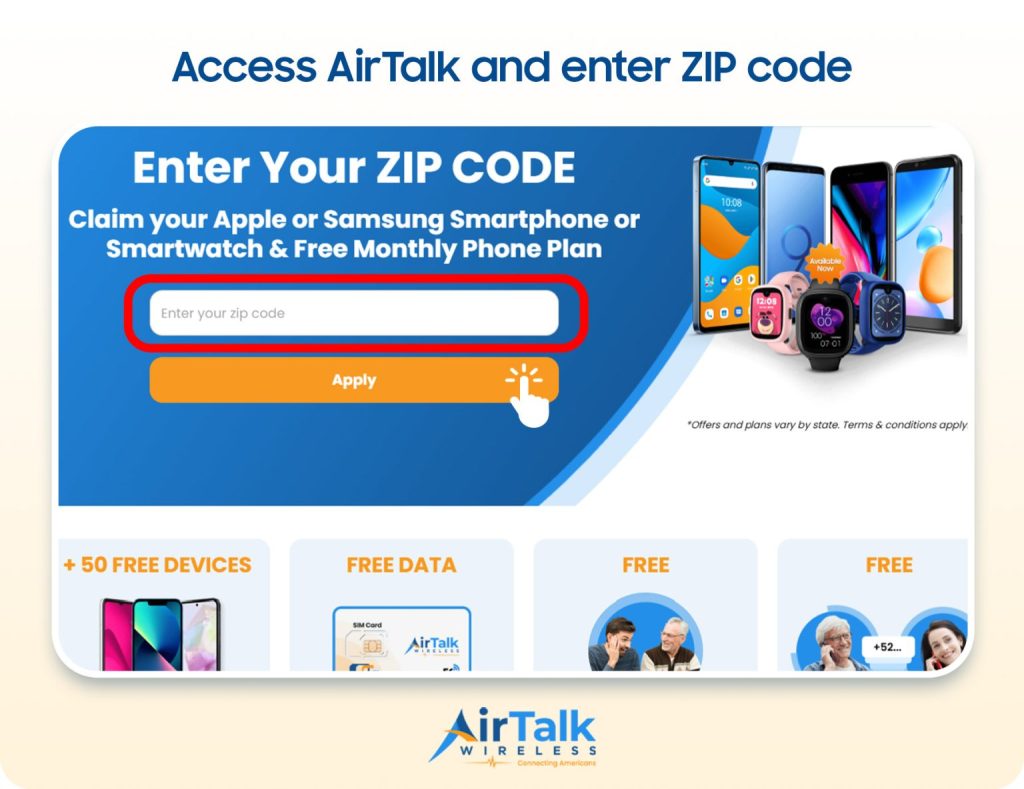
These are simple application steps:
- Go to AirTalk Wireless and enter your ZIP code to check if service is available
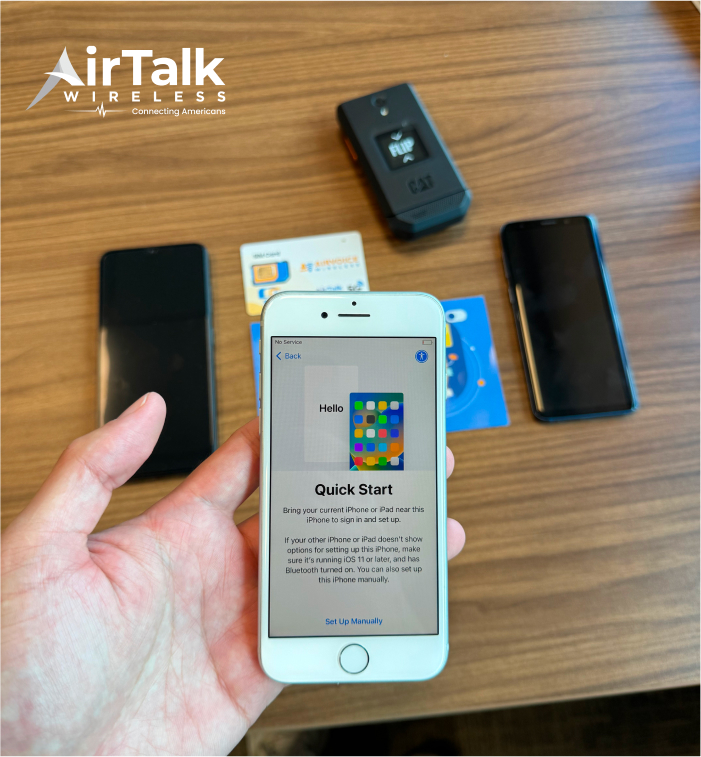
- Choose your Lifeline plan and any available device option in your state, like iPhone 7, iPhone 11 Pro Max, Samsung Galaxy S21 5G, etc
- Upload any required identity and eligibility documents
- Submit the application and wait for approval
Conclusion
Is WIC part of SNAP? They are not the same program, but both are designed to support low-income households with essential needs. Understanding these distinctions can help you make better use of the benefits available to your household.
Especially, both can also point families toward additional help, such as Lifeline. Stay connected and enjoy a seamless Internet connection today!