
Are you looking for low income apartments Columbus Ohio but not sure where to start? Many renters face rising costs and limited options.
Low income apartments are housing units designed for households with limited income, and rent is often reduced or based on eligibility rules. You may qualify through income level or programs like SNAP or Medicaid.
In this guide, you will learn how to find available units, understand requirements, and avoid common mistakes when applying.
1. What Are Low Income Apartments Columbus Ohio?
Low income apartments in Columbus are affordable housing units for residents earning between 30% and 80% of the Area Median Income (AMI). These rent-restricted options ensure housing costs do not exceed 30% of your gross monthly income.
In Columbus, you can find support through several programs:
- Public Housing: Managed by the Columbus Metropolitan Housing Authority (CMHA).
- Income-Restricted Apartments: Private complexes, like Windmiller Pointe, use tax credits (LIHTC) to offer lower rents.
- Specialized Housing: Programs like Columbus Scholar House serve specific groups.
Eligibility depends on your household size and local income limits. Priority is often given to families, seniors, and people with disabilities. You can check your status through the AMI calculator or apply directly to property managers to join a waiting list.

>>>Read more: What Is Considered a Low Income Household in the U.S.? Check If You Qualify
2. Where to Find Low Income Apartments in Columbus, Ohio
Finding low income apartments in Columbus Ohio is easier when you know the main housing providers. You can access affordable rentals through government agencies or private companies that receive federal support.
2.1. Public Housing (CMHA)
The Columbus Metropolitan Housing Authority (CMHA) is the primary resource for affordable housing in the area. They manage local units and oversee the voucher program.
- Public Housing Units: CMHA owns these properties, and typically caps rent at 30% of your adjusted monthly income.
- Application System: You must apply through the CMHA online portal to join a waitlist.
- Waitlist Status: Due to high demand, waitlists often close, so you should check the CMHA website regularly for updates.
2.2. Section 8 / Housing Choice Voucher
The Section 8 program lets you choose a private rental that meets federal safety and price standards.
- How it works: The government pays a portion of your rent directly to your landlord.
- Community Properties of Ohio (CPO): This large provider in Columbus specializes in affordable housing and accepts many vouchers.
- Wallick Communities: This company manages several income-based properties in Central Ohio that work with Section 8.
2.3. Income-Based Apartment Communities
Private properties also offer lower rents using the Low-Income Housing Tax Credit (LIHTC).
- Direct Applications: You apply for these units directly with the property manager instead of a central agency.
- Reduced Rent: These “income-restricted” units cap rent for households earning 30% to 80% of the Area Median Income (AMI).
- Faster Access: Some private communities may have shorter waitlists than public housing.
Contact each provider to confirm their requirements and see which waitlists are open today.
Note: Not all low-income apartments work the same. Public housing is fully managed by housing authorities, while Section 8 supports rent in private units, and subsidized apartments are privately owned but follow income rules. Choosing the right option depends on your income, urgency, and local availability.
>>> You also get free government phone, let’s read: What Government Program Gives You a Free iPhone in the US? Find Now
3. How to Find Low Income Apartments Columbus Ohio (Step-by-Step)
Finding low income apartments Columbus Ohio requires a proactive approach and the use of verified local tools. Because demand is high, following a structured search plan helps you stay organized and reduces waiting times. You can find a safe home by using these four essential steps.
3.1. Start with CMHA (Local Authority)
The Columbus Metropolitan Housing Authority (CMHA) is the primary resource for affordable housing in the city. This agency manages local public housing and oversees the Section 8 voucher program.
- Join waitlists: You must apply through the CMHA online portal to join a waiting list.
- Check application status: Once you apply, check your status regularly through your online account to ensure your information is current.
- Stay updated: Waitlists often open for limited periods, so you should visit the CMHA website frequently for announcements.
3.2. Use Local Housing Resources
Besides the housing authority, several Columbus organizations provide specialized guides to help you find low income apartments Columbus Ohio.
- COAAA guide: The Central Ohio Area Agency on Aging (COAAA) provides housing lists specifically designed for seniors and people with disabilities.
- Cap4Kids Columbus: This resource offers a comprehensive housing guide for families with children, listing shelters and low-cost rental options.
- Nonprofit directories: Local community organizations often maintain updated lists of private landlords who accept vouchers.
3.3. Search Verified Apartment Listings
Online directories allow you to filter for low income apartments Columbus Ohio in specific neighborhoods. Using these sites helps you compare prices and amenities quickly.
- Apartments.com: Use the “Affordable Housing” filter to view rent-restricted units and income-based communities.
- Zillow and Trulia: These platforms list private rentals and often indicate if a landlord is open to Section 8 vouchers.
- Verify details: Always confirm that a listing is part of an official program before sharing personal information.
3.4. Contact Property Managers Directly
Applying directly to a property manager is often the fastest way to find a unit in an income-restricted building.
- Confirm availability: Call the manager to ask if they have current vacancies or if their specific waitlist is open.
- Ask about eligibility: Verify the required income limits, as these can vary between 30% and 80% of the Area Median Income (AMI).
- Schedule a visit: If a unit is available, view the property in person to ensure it meets your needs before submitting an application.
Following these steps will help you navigate the search for low income apartments Columbus Ohio, more effectively. Start by contacting CMHA today to see which programs fit your household size and income level.
Note: Always verify listings before applying. Check income requirements, rent details, and availability. Some listings may be outdated or may not match low-income housing rules.
4. How to Apply for Low Income Apartments Columbus Ohio (Step-by-Step)
When you apply for low income apartments, you need a clear process and complete information. A simple plan helps you avoid delays and improves your chances of approval.
Step 1: Contact the Housing Agency or Property
Start by contacting the housing authority or the property manager. You can find contact details on official websites or trusted directories.
You can:
- Call or visit the office
- Check application instructions online
- Ask about availability and requirements
This step helps you confirm where and how to apply.
Step 2: Complete the Application
Fill out the application form with accurate details. You may apply online or submit a paper form, depending on the property or program.
Provide:
- Personal information
- Household details
- Income information
Make sure your information matches your documents.
Step 3: Submit Required Documents
Most applications require proof to confirm your eligibility. Prepare your documents early to avoid delays.
Common documents include:
- ID (driver’s license or other official ID)
- Proof of income (pay stubs, benefits letter)
- Household information (number of members, relationships)
Some programs may ask for additional documents based on your situation.
Step 4: Join the Waiting List if Needed
If no units are available, your application may be placed on a waiting list. Waiting times can vary based on location and demand.
You should:
- Check your status regularly
- Respond quickly to any updates
- Keep your contact information current
Tip: Apply to multiple locations instead of relying on one option. This increases your chances of finding available housing faster and reduces waiting time.
5. Claim Free Phone Services through Lifeline Program’s Providers
Besides housing support, programs like Lifeline can help you reduce monthly costs and manage daily needs more easily. If you are applying for low income apartments, you may already qualify for Lifeline based on your income or participation in programs like SNAP or Medicaid.
Lifeline is a government assistance program that helps eligible individuals lower the cost of phone service or internet service. The program focuses on keeping qualifying, low-income households connected for work, healthcare, and housing updates. You can get a $0 phone plan plus UNLIMITED talk, text, and free data through licensed Lifeline providers.
Approved providers such as Cintex Wireless offer Lifeline-supported plans with practical features.
You may receive:
- Free 5G smartphones, including discounted iPhone models (when available)
- Unlimited talk and text
- Free 5G data (level changes based on your state, provider)
- International calling to 200+ countries
- Access to 5G network, where available
- Free SIM card kit or eSIM
Note: Lifeline covers service costs, not devices. Devices are promotional and may vary based on availability and eligibility.
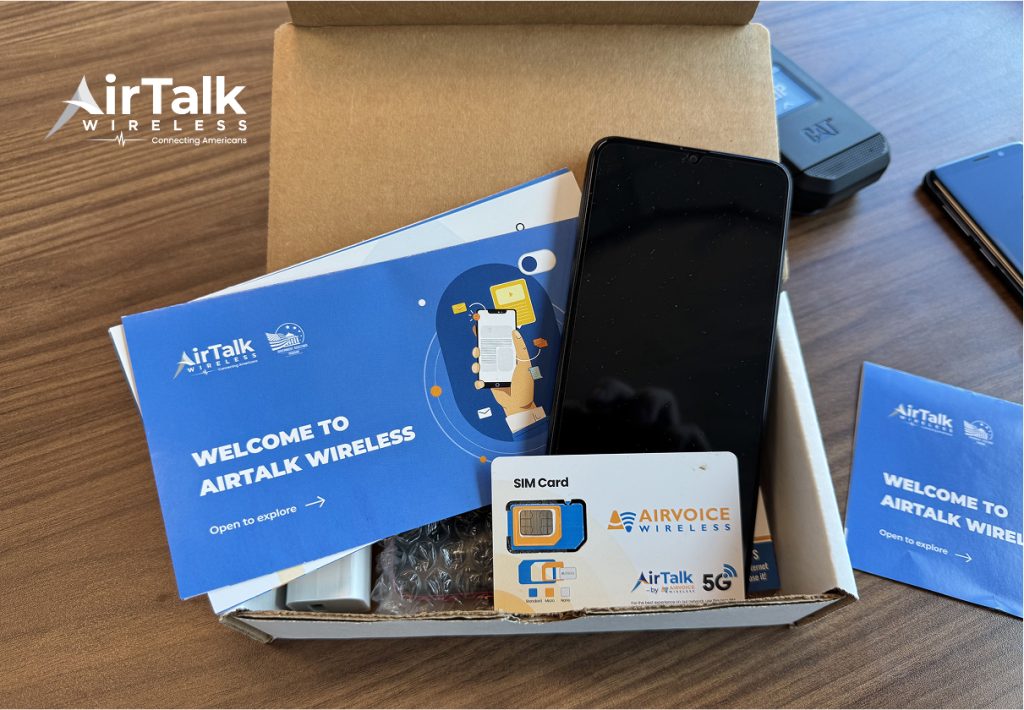
Notably, Cintex Wireless is set to merge with AirTalk Wireless, another established Lifeline-participating provider, a transition that aims to create a more streamlined and consistent customer experience from application through ongoing support. As part of this merge, eligible users may also see access to a broader range of device and plan options across a unified platform, with availability continuing to depend on location, eligibility, and current inventory.
Moreover, you may qualify for other support programs if your income is within program limits or if you already receive benefits such as:
- SNAP: offers monthly benefits to help pay for groceries
- Medicaid: covers healthcare services at low or no cost
- SSI: gives monthly cash support to people with limited income who are 65+, blind, or have a qualifying disability
When you combine housing support with programs like Lifeline, you can reduce overall costs and manage your budget more easily.
>>> Read more: Top 10+ Best Free 5G Government Phones iPhone Users Can Get
Final Words
Finding low income apartments Columbus Ohio can feel difficult, but a clear plan helps you move forward. You can start by checking your eligibility and applying to multiple housing options. You can also track openings and respond quickly when units become available. Small steps can improve your chances over time.
If you want to find housing that fits your budget, keep reading and follow each step carefully.