
Need health coverage in South Dakota? Medicaid may be an option, but figuring out where you fit can take some digging.
South Dakota Medicaid eligibility is worth checking whether you’re applying for yourself or a family member. The details can make a difference in finding the right coverage.
1. South Dakota Medicaid Eligibility: Who Qualifies?
South Dakota Medicaid serves several groups, but each has its own financial and nonfinancial requirements. According to the state Department of Social Services (DSS), applicants must meet the rules for a specific coverage group, along with applicable residency and other eligibility requirements.
The main groups include:
- Adults ages 19 to 64: Adults who meet Medicaid expansion income and other eligibility requirements.
- Children and teenagers: Children may qualify for Medicaid or the Children’s Health Insurance Program (CHIP), depending on household circumstances and income.
- Pregnant women: Applicants who meet the state’s pregnancy-related coverage requirements.
- Parents and caretaker relatives: Adults caring for dependent children who meet the rules for low-income family coverage.
- Older adults and people with disabilities: People who qualify based on age, blindness, or disability may be eligible through different Medicaid pathways.
- People needing long-term care: Eligible individuals who require nursing facility care or qualifying home and community-based services may receive assistance through specific programs.
Current immigration eligibility note: South Dakota implemented federal Medicaid eligibility changes effective October 1, 2026, affecting some noncitizens. If immigration status is relevant to your application, check the current DSS rules rather than relying on older eligibility guidance.
2. What Is the Income Limit for Medicaid in South Dakota in 2026?
The South Dakota Medicaid eligibility income limit depends on your coverage category, household size, and financial circumstances. The following figures are monthly income limits published by South Dakota DSS or, where noted, current 2026 limits for aged, blind, disabled, and long-term care applicants.
Income Limits for Adults, Including Medicaid Expansion
Adults ages 19 to 64 may qualify for Medicaid expansion if their household income falls within the applicable limit and they meet other requirements.
| Household size | Maximum gross monthly income |
| 1 | $1,835 |
| 2 | $2,488 |
| 3 | $3,142 |
| 4 | $3,795 |
| 5 | $4,448 |
| 6 | $5,102 |
| 7 | $5,755 |
| 8 | $6,407 |
Income Limits for Children, CHIP, Pregnant Women, and Families
Children may qualify for Medicaid or CHIP, which has higher income limits than some other coverage categories. The figures below are the published monthly income caps for CHIP and other listed groups.
CHIP income limits
| Household size | Child with private insurance | Child without private insurance |
| 1 | $2,487 | $2,780 |
| 2 | $3,372 | $3,768 |
| 3 | $4,258 | $4,759 |
| 4 | $5,143 | $5,748 |
| 5 | $6,027 | $6,736 |
| 6 | $6,913 | $7,727 |
| 7 | $7,798 | $8,715 |
| 8 | $8,682 | $9,704 |
Pregnancy coverage
The published monthly income limits for pregnant women match the Medicaid expansion limits shown in the first table, from $1,835 for a household of one to $6,407 for a household of eight.
Low-income families
| Household size | Maximum gross monthly income |
| 1 | $590 |
| 2 | $740 |
| 3 | $842 |
| 4 | $941 |
| 5 | $1,042 |
| 6 | $1,145 |
| 7 | $1,244 |
| 8 | $1,343 |
This family category generally applies to a parent or other caretaker relative living with a dependent child. Children may qualify under a different category even when their family does not meet this particular limit.

Income Limits for Aged, Blind, or Disabled Applicants and Long-Term Care
Financial rules differ for Medicaid pathways based on age, disability, or long-term care needs.
- SSI recipients: In 2026, the maximum federal SSI payment is $994 monthly for an individual and $1,491 for an eligible couple. These are SSI benefit amounts, not general South Dakota Medicaid income limits. People currently receiving SSI are automatically eligible for South Dakota Medicaid.
- Nursing facility and qualifying HCBS coverage: South Dakota lists a 2026 individual monthly income limit of $2,982, equal to 300% of the SSI Federal Benefit Rate. The general countable-resource limit is $2,000 for one applicant.
Other disability-related programs use different standards. For example, South Dakota’s Medicaid for Workers with Disabilities has separate income and resource rules.
Use the eligibility requirements for the specific program rather than applying the SSI payment amount to every older or disabled applicant.
>>> Read more: Medicaid Asset Limits 2026: How Much Can You Have and Still Qualify?
3. Does South Dakota Medicaid Have an Asset Limit?
Yes, but asset limits depend on the type of Medicaid coverage you apply Asset rules depend on the Medicaid category.
Medicaid expansion generally has no separate asset test. Eligibility is based mainly on MAGI income and other program requirements.
By contrast, some programs for older adults, people with disabilities, and long-term care applicants do review countable resources. For example, a single nursing home Medicaid applicant generally has a $2,000 countable asset limit in 2026.
Not everything you own counts. Certain property and personal belongings may be excluded, while special protections can apply to a spouse.
Before assuming your savings make you ineligible, check the resource rules for your specific Medicaid category.
4. How to Apply for South Dakota Medicaid
If you think you may meet South Dakota Medicaid eligibility requirements, you can apply through the South Dakota Department of Social Services. You do not need to know for certain that you qualify before submitting an application.
Step 1: Identify your likely coverage group: Consider whether you are applying as an adult, child, pregnant applicant, older adult, or person with a disability.
Step 2: Gather your information: Prepare household, income, residency, and any financial records that apply to your category.
Step 3: Submit your application: Use the South Dakota DSS medical assistance page to access the available application options and assistance.
Step 4: Respond to verification requests: DSS may ask for documents before making a decision.
Step 5: Review the notice: If approved or denied, read the notice carefully and follow any deadlines for additional information or an appeal.
Submitting an application allows DSS to assess your circumstances under the correct program rules.

5. What Medicaid Eligibility Changes Are Coming to South Dakota in 2027?
Beginning January 1, 2027, several rules affecting South Dakota Medicaid eligibility will change.
- Community engagement: Certain Medicaid expansion adults ages 19–64 will need to meet an 80-hour requirement unless an exclusion applies. New applicants generally must show a qualifying month before applying, while current recipients will be checked at their first scheduled renewal in 2027.
- Renewals: Most expansion recipients will move from annual to six-month eligibility reviews. American Indian and Alaska Native recipients are exempt from this change.
- Retroactive coverage: The lookback period will generally shrink to one month for expansion adults and two months for other Medicaid and CHIP applicants.
Keep your contact information current with DSS and review any renewal notice carefully, since these changes will not affect every recipient in the same way.
6. Qualify for South Dakota Medicaid? You May Qualify for Lifeline, Too!
Healthcare is one important expense, but phone service can take a bite out of your monthly budget, too. If you qualify for South Dakota Medicaid, you may be eligible for Lifeline, a federal program that helps lower the cost of phone service or internet service.
Besides Medicaid, eligibility is based on income or participation in qualifying programs like SNAP, SSI, etc.
You can apply to an Eligible Telecommunications Carrier to receive more than just the discount. These carriers offer a Lifeline-discounted service plan and, many times, offer a free or discounted phone.
Cintex Wireless is one of those carriers, and it has merged with AirTalk Wireless, making it more convenient for eligible applicants to explore available service plans and device offers in one place.
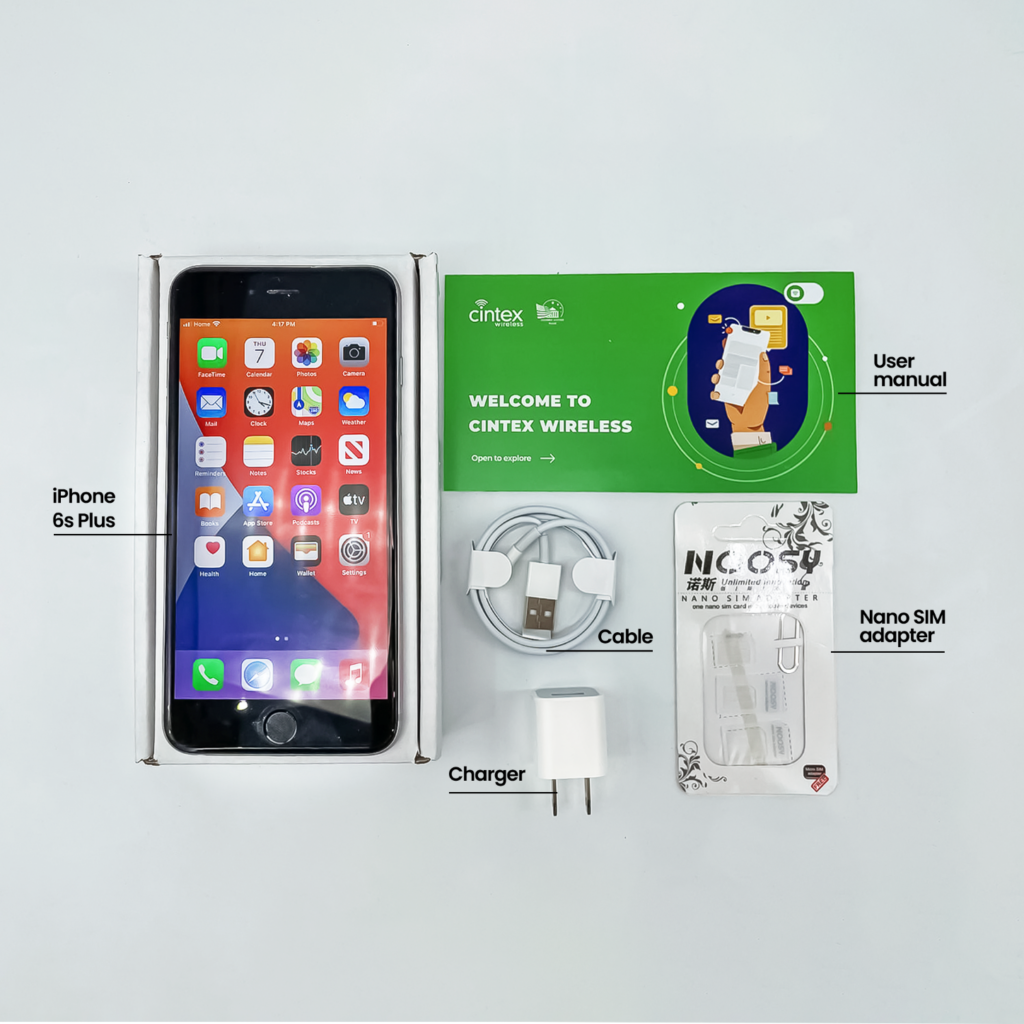
So, what could you get through AirTalk Wireless? Depending on your eligibility, location, and current offers, benefits may include:
- Monthly phone service with talk, text, and mobile data
- International calling to stay in touch with loved ones abroad
- Calling features such as caller ID, call waiting, three-way calling, and voicemail
- A free SIM card or eSIM for a compatible device
- A free or discounted smartphone through available promotions
Visit AirTalk Wireless to check available Lifeline offers and see which service and device options may be available to you.
DISCLAIMER: The government does not subsidize devices. Lifeline programs cover basic service costs only. Free or discounted devices, upgrade plans, or top-ups are exclusive benefits provided by AirTalk Wireless and Cintex Wireless as part of the promotional offers. Terms and conditions apply. Limited-time promotion—offers vary by state, stock availability, and eligibility.
7. FAQs
What disqualifies you for Medicaid?
You may be ineligible if you do not meet the financial, residency, or other requirements for your coverage category. Having income or assets above a particular limit may affect eligibility, but the rules differ by program.
How long does it take to get Medicaid in South Dakota?
Processing time depends on your application and whether DSS needs additional information. Respond promptly to verification requests and check your notices for updates.
What happens if your South Dakota Medicaid application is denied?
Review the denial notice to understand the reason and any appeal or fair hearing rights and deadlines. Contact DSS if you need clarification.
Can you qualify for South Dakota Medicaid if you have savings?
Yes, depending on the coverage category. Medicaid expansion generally does not use a separate asset test, while certain ABD and long-term care programs do.
Can you qualify for Medicaid in South Dakota if you work?
Yes. Employment does not automatically disqualify you. Eligibility depends on your income, household circumstances, and the program’s requirements.
Conclusion
Healthcare costs can be difficult to manage, but you may have options for getting help. If you’re unsure whether you qualify, don’t rule out coverage before checking the requirements for your situation.
Reviewing South Dakota Medicaid eligibility through the Department of Social Services (DSS) can help you understand your options and take the next step toward getting the coverage you need.