
A missed appointment costs a practice time, but Medicaid billing rules limit how providers can recover that loss.
If you’re asking can you charge a Medicaid patient a no show fee, the general answer is no. Missed appointments are treated differently from permitted Medicaid cost sharing or properly disclosed noncovered services. This guide explains the rule and what providers can do instead.
1. Can You Charge a Medicaid Patient a No Show Fee?
Generally, no. Medicaid providers should not charge beneficiaries a fee for a missed appointment.
CMS has long treated a missed appointment as part of a provider’s cost of doing business rather than a separately reimbursable Medicaid service. State Medicaid programs commonly reflect that rule in their provider guidance.
The federal payment-in-full rule also limits what participating providers may collect from Medicaid beneficiaries beyond authorized cost sharing. However, 42 CFR §447.15 does not specifically mention no-show fees by name, so providers should also review their state Medicaid manual and any managed-care contract requirements.
A standard office cancellation policy does not override Medicaid billing restrictions.

2. What Rules Apply to Medicaid No-Show Fees?
Medicaid billing rules distinguish missed-appointment fees from authorized cost sharing and charges for certain noncovered services. Understanding that difference helps practices avoid adding fees that beneficiaries are not responsible for paying.
Why Can’t Medicaid Providers Usually Charge No-Show Fees?
Participating providers generally must accept Medicaid payment plus any authorized cost sharing as payment in full for covered services.
Under 42 CFR § 447.15, participating providers must accept the amounts paid by Medicaid, together with any applicable deductibles, coinsurance, or copayments required under the state plan, as payment in full.
The regulation does not specifically mention missed appointments. However, CMS treats a missed visit as part of a provider’s operating costs rather than a separately billable Medicaid service.
That makes a no-show fee different from an allowed copayment or a properly disclosed charge for a noncovered service.

Do Medicaid No-Show Fee Rules Vary by State?
Yes. States administer Medicaid within federal requirements, so providers should review their state Medicaid manual and any applicable managed-care contract before enforcing a no-show policy.
For example, North Carolina Medicaid explicitly prohibits providers from billing beneficiaries for missed appointments.
A patient’s signature on a general cancellation policy does not make a prohibited charge allowable. Practices should therefore make sure their billing procedures and staff guidance reflect the applicable Medicaid rules.
>>> Also read: Medicaid Tailored Plan: Who Qualifies In North Carolina?
3. How Can Providers Reduce No-Shows Without Charging Medicaid Patients?
A billing restriction does not mean practices have to ignore repeated missed visits. The better approach is to reduce the barriers that cause them.
Useful steps include:
- Use reminders: Text, phone, or email reminders can help patients confirm or reschedule before the appointment.
- Make rescheduling easier: Same-day openings or cancellation lists can reduce unused appointment time.
- Ask what is getting in the way: Transportation problems, work conflicts, or difficulty receiving reminders may explain repeated absences.
- Document outreach: Keep records of missed visits, reminder attempts, and follow-up communication.
Repeated no-shows can still raise continuity-of-care concerns. Before restricting scheduling or ending the provider-patient relationship, review applicable notice requirements, managed-care contracts, and professional obligations.

Repeated no-shows can create legitimate concerns about continuity of care and appointment availability. However, restricting or ending a patient’s care may involve additional legal, ethical, contractual, and notice requirements depending on the provider type, state law, and circumstances.
Practices should review those obligations before taking action.
4. What Can Medicaid Patients Do When Receiving a No-Show Bill?
Receiving a no-show bill does not necessarily mean you have to pay it. If you’re a Medicaid patient facing this situation, check the rules that apply to your coverage and find out how to challenge the charge if necessary.
Here are some practical steps:
- Ask the provider to explain the charge. Request an itemized statement or written explanation identifying the fee and the appointment involved.
- Check your Medicaid billing rules. Review your state Medicaid agency’s official guidance and any relevant managed care requirements.
- Contact your Medicaid plan or state agency. Ask whether the charge is permitted under the rules that apply to your coverage.
- Keep relevant records. Save the bill, appointment reminders, messages, and any documents you signed.
- Request a review if needed. If the charge appears inconsistent with Medicaid rules, ask the provider to review or reverse it. If the issue remains unresolved, contact your plan or state agency to ask how to file a complaint.
Before paying the fee, verify whether it is allowed under the rules that apply to your coverage.
>>> Also read: Medicaid Facts: What Changes By State And What Doesn’t
5. What Other Assistance Programs Can Help Medicaid Patients Save Money?
Even when a no-show fee is not allowed, unexpected medical expenses can put pressure on a household budget. Medicaid patients may be able to ease some of that pressure through other assistance programs that help cover essential costs.
For example, Lifeline is a federal program that helps eligible consumers save on phone service or internet service through a monthly discount.
Medicaid enrollment is one qualifying pathway, but you may also qualify through programs such as SNAP, Supplemental Security Income (SSI), Federal Public Housing Assistance, or by meeting Lifeline’s income requirements.
Cintex Wireless is an authorized provider participating in the federal Lifeline program. It helps eligible customers complete enrollment and applies the Lifeline discount to qualifying service. Eligible customers may also receive a free or discounted device through separate promotional offers.
Update: Recently, the carrier announced that it has merged into AirTalk Wireless; applicants can explore available Lifeline service plans and device offers through AirTalk, with more device options to choose from.
Depending on your location, eligibility, and current promotions, available benefits may include:
- Affordable phone service: Talk, text, and mobile data options to help you stay connected without stretching your budget.
- International calling: Call family and friends abroad with available international calling benefits.
- Useful calling features: Caller ID, call waiting, three-way calling, and voicemail help you manage calls and avoid missing important messages.
- Free SIM or eSIM: Choose a free physical SIM kit or eSIM, depending on your device compatibility and available options.
- A smartphone at little or no cost: Eligible applicants may qualify for a free or discounted device, depending on current offers and availability.
If you qualify for Lifeline, explore available offers through AirTalk Wireless to see how you may be able to save on phone service and get a device that fits your needs!
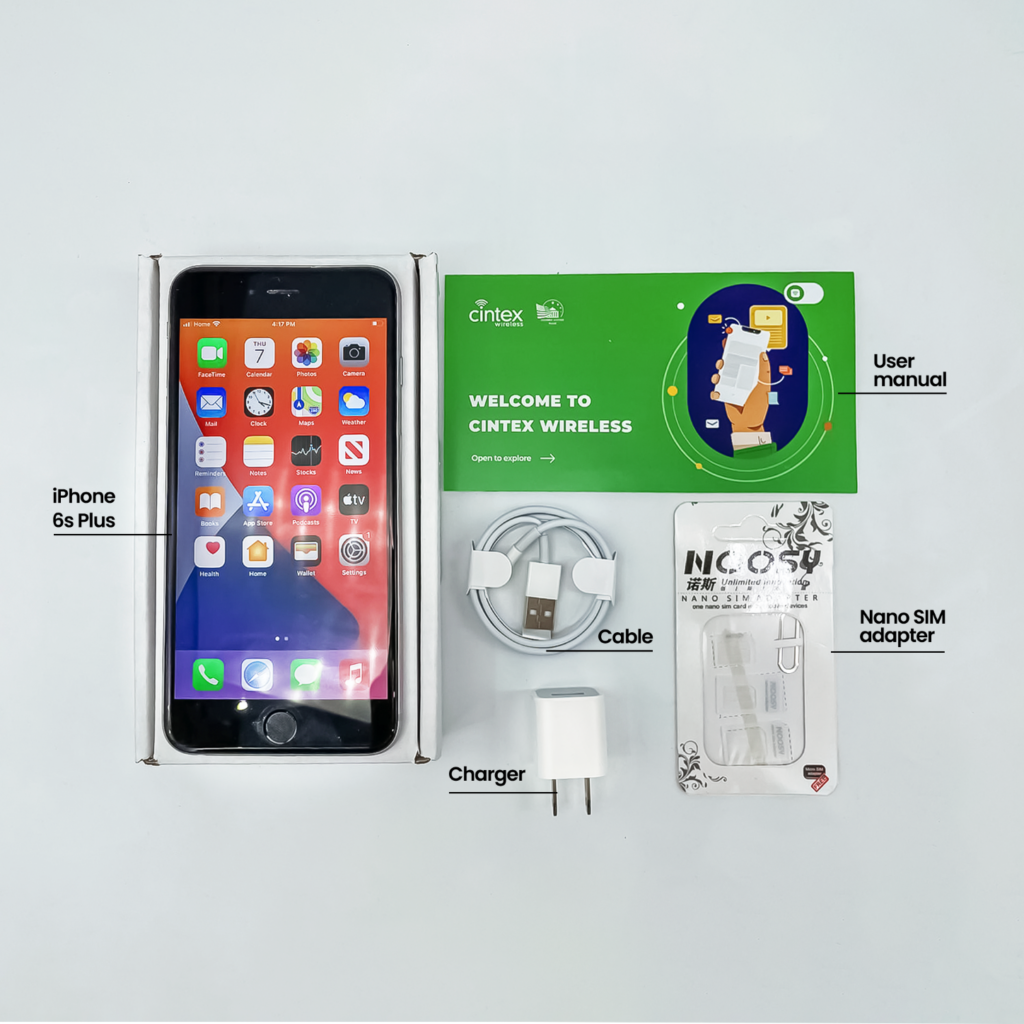
DISCLAIMER: The government does not subsidize devices. Lifeline programs cover basic service costs only. Free or discounted devices, upgrade plans, or top-ups are exclusive benefits provided by AirTalk Wireless and Cintex Wireless as part of the promotional offers. Terms and conditions apply. Limited-time promotion—offers vary by state, stock availability, and eligibility.
6. FAQs
Can You Charge a Medicare Patient a No-Show Fee?
Generally, Medicare rules allow physicians and suppliers to charge Medicare beneficiaries for missed appointments if the policy applies equally to Medicare and non-Medicare patients. The fee must not be billed to Medicare itself.
When Can You Bill a Medicaid Patient?
Providers may generally collect only charges permitted under applicable Medicaid rules, such as authorized cost-sharing. Certain noncovered services may be billable under specific conditions, including advance notice when required. State requirements determine which exceptions apply.
Can You Charge a Medicaid Patient for a Noncovered Service?
Sometimes. Depending on state rules, a provider may need to inform the patient before delivering the service that Medicaid will not cover it and that the patient will be financially responsible.
Can a Provider Dismiss a Medicaid Patient for Repeated No-Shows?
Not automatically. Providers may have to follow state law, professional standards, managed care contracts, and applicable notice requirements.
Before ending care, it is important to review these obligations and consider reasonable steps to address attendance barriers.
Conclusion
When reviewing can you charge a Medicaid patient a no show fee, providers should prioritize compliance over collecting a routine administrative charge. Patients who receive unexpected bills should ask questions and seek a review rather than assume they owe the amount.
If you’re managing a tight household budget, checking your eligibility for Lifeline through AirTalk Wireless may also help reduce monthly phone costs while leaving more room for essential expenses.