
Will I lose my Medicaid if I get a settlement? Not automatically. A lawsuit, insurance, workers’ compensation, or personal injury settlement can affect Medicaid differently depending on your eligibility category, how the payment is classified, and whether your program has income or resource limits.
For MAGI-based Medicaid, a settlement may matter mainly in the month certain income is received. Resource-tested Medicaid can be more sensitive to money that remains available afterward. Before the funds are distributed, it is important to understand which rules apply to you, what must be reported, and whether Medicaid may have a reimbursement claim.
1. Will I Lose My Medicaid If I Get a Settlement?
If you are wondering will I lose my Medicaid if I get a settlement, the answer is not necessarily. A settlement does not automatically end Medicaid coverage. The effect depends on your Medicaid eligibility category, the type of payment you receive, and whether your program applies income or resource limits.
For most children, pregnant individuals, parents, and expansion adults, Medicaid uses Modified Adjusted Gross Income (MAGI) rules. MAGI-based Medicaid generally has no asset test.
A taxable lump-sum settlement is generally counted as income in the month it is received, while a nontaxable lump-sum payment generally is not included in MAGI.
Other Medicaid pathways, particularly certain programs for people who are aged, blind, disabled, or receiving long-term care, can use both income and resource limits. Under those rules, settlement funds that remain available after receipt may affect eligibility.
Do settlements affect Medicaid? They can, but the result depends on the financial rules for your specific Medicaid category rather than the settlement amount alone.
2. Does a Settlement Count as Income for Medicaid?
Does a settlement count as income for Medicaid? Sometimes. The answer depends on what the payment represents and which Medicaid financial rules apply to you.
For MAGI-based Medicaid, taxable lump-sum payments are generally counted as income only in the month received. Nontaxable lump sums generally are not included in MAGI, and MAGI Medicaid does not use an asset test.
Settlement tax treatment depends on the reason for the payment. For example, certain damages related to physical injury or sickness may be excluded from federal taxable income, while punitive damages and some other settlement components may be taxable.
Non-MAGI Medicaid follows different rules. Programs for some older adults, people with disabilities, and long-term care applicants may consider both income and available resources. Money remaining after the month of receipt can therefore matter under a resource-tested pathway.
A structured settlement can also require separate review because payments arrive over time. Do not assume that choosing lump-sum or periodic payments automatically protects Medicaid eligibility.

3. Five Crucial Checks Before You Receive a Settlement
Before deciding will I lose my Medicaid if I get a settlement, identify exactly which rules apply to you. These five checks can help you spot potential eligibility or reimbursement issues before the settlement funds arrive.
Confirm Your Medicaid Eligibility Category
First, determine whether your eligibility is based on MAGI rules or a non-MAGI pathway. This distinction matters because MAGI eligibility generally focuses on household income without an asset test, while certain aged, blind, disabled, and long-term care pathways may also have resource limits.
Review What the Settlement Compensates You For
Read the settlement agreement carefully. Payments may compensate for medical expenses, lost wages, physical injuries, emotional distress, or other damages. The allocation can affect tax treatment and may also be relevant when determining Medicaid recovery rights or financial eligibility.
Check the Income and Resource Rules That Apply
Compare the settlement with the financial rules for your specific Medicaid category and state. For resource-tested programs, money retained into a later month may become especially important. Do not assume that a rule applying to another Medicaid beneficiary also applies to you.
Confirm Your Reporting Requirements
Find out whether, when, and how your state Medicaid agency requires changes in income or resources to be reported. Keep the settlement agreement and related financial records so you can explain the source, amount, allocation, and date of payment if documentation is requested.
Check for Medicaid Reimbursement Claims
A settlement can affect more than eligibility. Medicaid is generally the payer of last resort, so a state Medicaid agency may have a right to recover certain medical costs when another party or insurer was legally responsible for paying them.
Liability insurance settlements and workers’ compensation are examples of potential third-party resources.
This reimbursement issue is separate from whether you remain eligible for Medicaid. Before settlement funds are distributed, ask whether Medicaid has asserted a claim or lien and how applicable state and federal recovery rules affect the settlement.
>>> Read More: Does Medicaid Cover Stair Lifts? Coverage Rules to Check
4. What Can You Do If a Settlement May Affect Your Medicaid?
If will I lose my Medicaid if I get a settlement remains a concern, review the issue before the funds are distributed whenever possible.
First, confirm whether you receive MAGI-based or resource-tested Medicaid. Then check how your state treats the settlement, whether you must report it, and whether Medicaid has a reimbursement claim related to medical expenses paid on your behalf.
For people who rely on resource-tested benefits, qualified legal or benefits advice can be especially important. Certain special needs or pooled trusts may be relevant for some people with disabilities, but strict federal and state requirements apply.
Do not quickly give away or transfer settlement money to stay under a resource limit. Long-term care Medicaid and some other programs have asset-transfer rules that can create additional eligibility problems.
What can cause you to lose Medicaid? Depending on your pathway, reasons may include exceeding an applicable financial limit, no longer meeting the requirements of your eligibility group, or failing to complete required renewal or verification steps. A settlement itself does not automatically end Medicaid coverage.
If you receive a reduction or termination notice, review the effective date and appeal instructions rather than assuming your coverage has already ended.
5. Could You Still Qualify for Lifeline if Your Medicaid Changes?
If will I lose my Medicaid if I get a settlement is one of your concerns, a change in Medicaid eligibility may also affect other benefits that use Medicaid participation as a qualifying route. One example is Lifeline, a government assistance program that helps eligible households reduce the cost of qualifying phone or internet service.
How Medicaid Connects to Lifeline
Medicaid and Lifeline are separate programs, but Medicaid participation is one way to qualify for Lifeline. If you currently receive Medicaid, you may be able to use that participation to establish Lifeline eligibility.
However, losing Medicaid does not automatically mean you lose every path to Lifeline. The program has several qualifying routes.
You may still be eligible through SNAP, SSI, Federal Public Housing Assistance, certain qualifying Tribal programs, or household income at or below 135% of the Federal Poverty Guidelines.
What Happens After You Qualify?
Once your Lifeline eligibility is confirmed, you choose a participating provider that offers Lifeline-supported service in your area. These providers, known as Eligible Telecommunications Carriers (ETCs), apply the Lifeline discount to an eligible phone or internet plan.
This means Lifeline provides the service discount, while the participating carrier provides the actual connection, plan, and customer support.
Cintex Wireless is one of the ETCs that has provided Lifeline-supported wireless service to eligible customers along with a free or discounted phone, and the carrier has currently merged into AirTalk Wireless.
This means that eligible participants can access a wider phone selection and a more unified system for a faster and easier application process.
Eligible customers may also see device promotions, including phones from brands such as the Apple iPhone SE 2, Apple iPhone 11, Samsung Galaxy A42 5G, Hotpepper Verde, etc., depending on location, inventory, plan, and promotional availability.
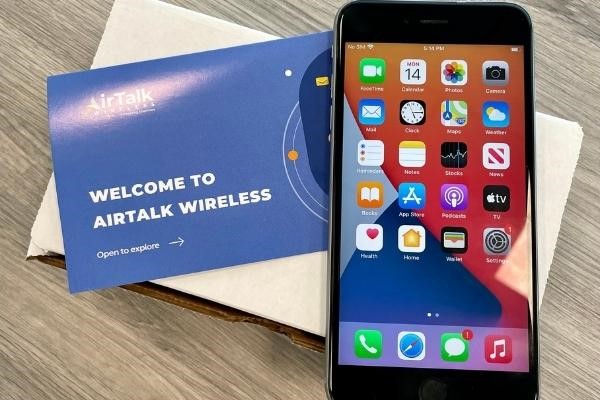
IMPORTANT: The government does not subsidize devices. Lifeline programs cover basic service costs only. Free or discounted devices, upgrade plans, or top-ups are exclusive benefits provided by AirTalk Wireless and Cintex Wireless as part of the promotional offers. Terms and conditions apply. Limited-time promotion—offers vary by state, stock availability, and eligibility.
Conclusion
Will I lose my Medicaid if I get a settlement? Not automatically. The answer depends on your Medicaid eligibility pathway, how the settlement is classified, and whether income or resource limits apply to you.
Review the rules before the funds are distributed, especially if you receive Medicaid through a resource-tested program. Also check any reporting or Medicaid reimbursement obligations so you can address them before they affect your coverage or settlement.