
Does Medicaid cover contacts? The answer depends on your age, your state, and your specific eye diagnosis. Most Medicaid programs do not cover routine contact lenses for everyday vision correction unless they are medically necessary.
Read the full breakdown below to find out whether your situation qualifies.
1. Does Medicaid Cover Contacts?
Yes, but only when contact lenses are medically necessary, and glasses cannot adequately correct your vision. Routine contacts for standard nearsightedness or farsightedness are generally not covered. Medicaid considers them cosmetic.
Coverage rules vary by state, age, and diagnosis. Adults need a documented medical diagnosis and prior authorization in most states. Children under 21 have broader protections under the federal EPSDT program, which requires states to cover medically necessary vision services when a qualifying condition is present.
Whether Medicaid pays for contact lenses depends on medical necessity, not personal preference.

2. When Does Medicaid Cover Contact Lenses?
Medicaid covers contact lenses in two clear situations: for children under EPSDT and for adults with qualifying medical diagnoses.
Coverage for Children Under 21 (EPSDT)
Federal law requires all state Medicaid programs to provide medically necessary vision services to anyone under 21 through the Early and Periodic Screening, Diagnostic and Treatment (EPSDT) program.
If a child has a qualifying eye condition, the state must cover medically necessary contacts — even if the state does not cover contacts for adults. Both the lenses and the fitting fee are covered when prior authorization is approved, although approval procedures and documentation requirements may vary by state
Coverage for Adults: Qualifying Medical Conditions
For adults, Medicaid contact lens coverage requires a documented medical diagnosis. The following conditions typically qualify:
| Condition | Why Contacts Are Covered |
| Keratoconus | Cornea thins and bulges; glasses cannot correct the irregular shape |
| Aphakia | Natural lens removed after cataract surgery; contacts provide better correction |
| Anisometropia | Large prescription difference between eyes; glasses creates visual distortion |
| Irregular astigmatism | Corneal scarring or trauma that glasses cannot correct |
| Severe refractive errors | Prescription too extreme for glasses to provide adequate vision |
Prior authorization is required in most states before lenses are dispensed. Some states allow temporary supplies while prior authorization is pending, depending on state rules and provider policies.
3. How to Get Contact Lenses Covered by Medicaid
If you have a qualifying condition, here is how to move through the process.
Step 1: See a Medicaid-enrolled eye care provider
Your optometrist or ophthalmologist must accept Medicaid before any coverage applies. Ask your provider to document the specific medical diagnosis for your chart. A general note about poor vision is not sufficient for a successful PA submission.
Step 2: Get a Prior Authorization (PA) submitted
Your provider submits a PA request to your state Medicaid office or managed care plan. The request must explain why contacts are medically necessary and why glasses cannot adequately correct your vision. Processing typically takes 3 to 14 business days. Some states allow a temporary emergency supply while the PA is under review.
Step 3: If Denied, File an Appeal
A denial is not the end of the process. You can request a formal appeal, and your provider should submit additional clinical documentation supporting medical necessity. Urgent appeals are often processed within 72 hours. If the formal appeal is also denied, an independent review is available in most states.
>>> Read more: Does Medicaid Cover Eyeglasses? 2026 Vision Benefits Guide
4. Reduce Your Phone Bill While Managing Your Vision Care
Managing eye appointments, prior authorization requests, and provider communication all take time and reliable access to a phone. Eye care under Medicaid often involves multiple follow-up calls to your provider, your state Medicaid office, and your managed care plan.
If you have Medicaid, you may be eligible for the federal Lifeline program. Lifeline is a government-backed benefit that reduces phone service and internet service costs for eligible low-income households.
Medicaid enrollment may automatically qualify you for Lifeline. You may also qualify through other programs, including SNAP, SSI, Section 8, Veterans Pension, or by meeting the federal income limit at or below 135% of the Federal Poverty Level.
The program partners with eligible telecommunication carriers, like Cintex Wireless, to bring the benefit to those in need. And in some cases, those carriers may offer a free device alongside the Lifeline discount.
Note: Eligibility varies by state and program. Offers depend on availability and qualifications. Service is non-transferable and limited to one service per household.
Through a trusted carrier like Cintex Wireless, eligible members may receive:
- Unlimited talk and text
- Monthly 5G data
- A free smartphone and discounted upgrade options
- International calling to 200+ nations
- Roaming coverage
- Dedicated customer service support
UPDATE: Cintex Wireless and AirTalk Wireless are officially merging. Now, AirTalk has over 2 million users; this partnership brings customers a stronger nationwide network, faster application processing, and significantly larger monthly rewards for new and existing members.
The application process is pretty straightforward. You start by entering your ZIP code at the carrier website of your choice, then choose Lifeline plan + phone, provide essential information or proof if required, and submit and wait for the result.
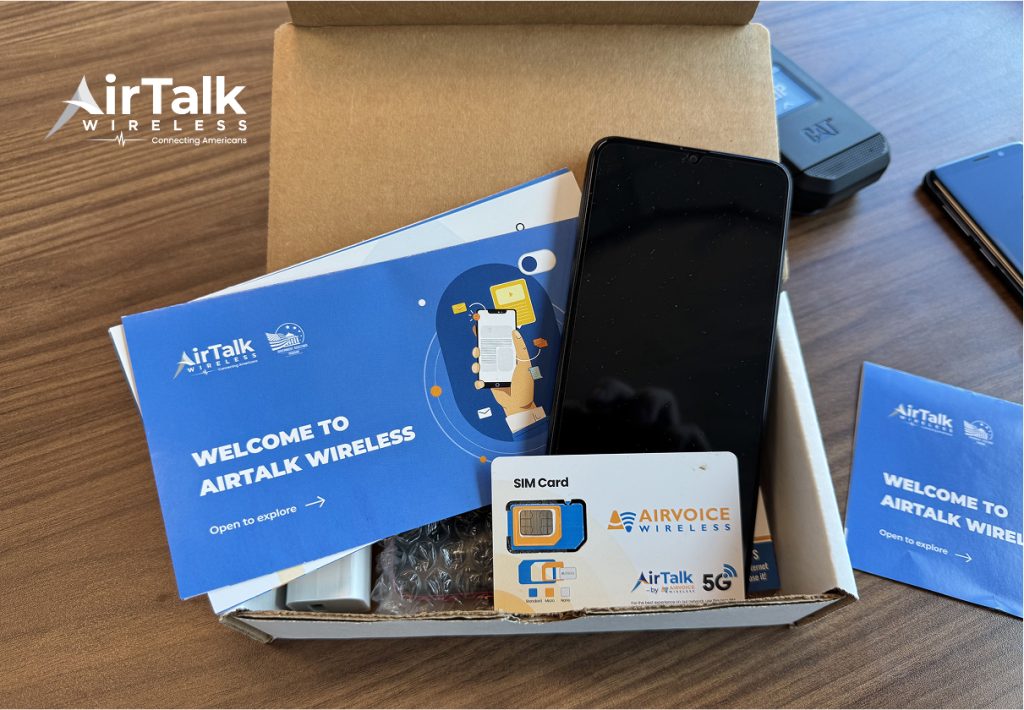
IMPORTANT: The government does not subsidize devices. Lifeline programs cover basic service costs only. Free or discounted devices, upgrade plans, or top-ups are exclusive benefits provided by Cintex Wireless as part of promotional offers. Terms and conditions apply. Limited-time promotion—offers vary by state, stock availability, and eligibility.
5. Frequently Asked Questions (FAQ)
Q1. Do Medicaid Pay for Contact Lenses?
Medicaid may cover contact lenses when they are medically necessary. Routine contacts for standard vision correction are usually not covered. In most cases, coverage requires a documented eye condition and prior authorization from your provider.
Q2. What Does Utah Medicaid Cover for Contacts?
Utah Medicaid may cover medically necessary contact lenses for children under 21 through EPSDT benefits. Adults with certain eye conditions may also qualify with prior authorization and supporting medical documentation. Coverage can vary by Medicaid plan.
Q3. Can People With Lupus Wear Contacts?
Yes, many people with lupus can safely wear contact lenses. Medicaid coverage depends on the related eye condition rather than lupus itself. If lupus causes corneal complications, an eye specialist may recommend medically necessary specialty lenses.
Final Words
Does Medicaid cover contacts for routine use? Yes, but it is conditional. However, children under 21 have stronger federal protections, and adults with documented medical eye conditions may qualify through prior authorization.
Do not assume you are ineligible before checking with your eye doctor. A proper diagnosis can open a coverage pathway you may not know exists.
If you already have Medicaid, you may also qualify for a free Lifeline phone plan through Cintex Wireless or AirTalk Wireless.