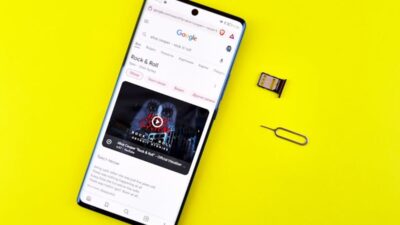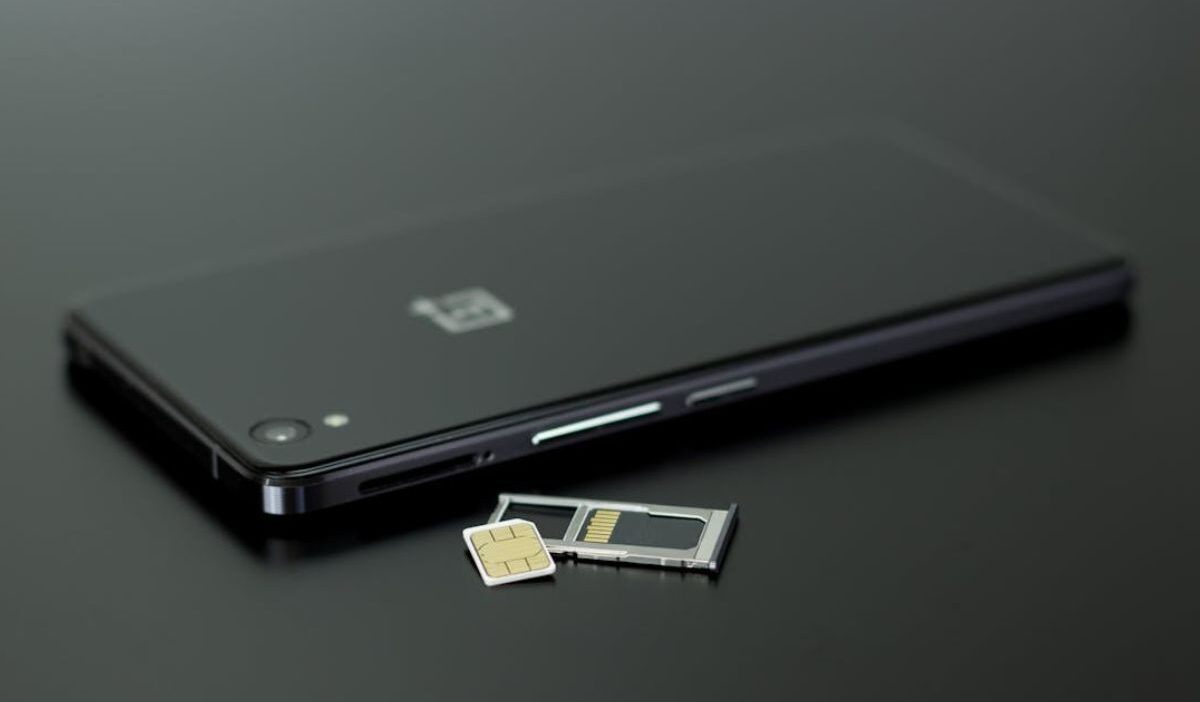
Choosing the right SIM card is essential for ensuring your device works properly and delivers the best performance.
If you are comparing nano SIM vs micro SIM, understanding the differences between these two formats can help you avoid compatibility issues when switching phones or carriers.
1. What are Nano SIM and Micro SIM Cards?
Let’s begin with the basics: A SIM card functions as a digital key for your mobile device. This compact, detachable smart card securely holds information that uniquely identifies you on the mobile network.
There are several types of SIM cards, two of which are nano SIM and micro SIM.
Nano SIM Overview
It is the tiniest physical card introduced in 2012, with only a thin plastic rim retaining the chip.
The iPhone 5 was the first to employ them, but they are now widely used in smartphones and some cellular-enabled devices.
If you are using a phone from the previous several years, it very certainly requires a nano SIM.
Micro SIM Overview
Released during the early 2010s, a micro SIM card is a smaller version of the conventional SIM to conserve space within mobile devices.
This physical SIM card type allows compatible devices to connect to mobile networks.
While most current phones use Nano SIMs, some devices, such as mobile broadband routers, still require Micro SIMs.
This type of SIM card stores critical data, such as the IMSI, and authenticates network users, making it fully functional despite its smaller size compared to previous SIM forms.
2. Nano SIM vs Micro SIM: Key Differences
Although both nano SIM vs micro SIM serve the same purpose, they vary in size and device support. Here are the details:
Size & Physical Dimensions
This is the most obvious distinction between these two SIM cards.
Micro SIM cards are smaller than conventional SIM cards, measuring 15 x 12 × 0.76 millimeters, but maintain the same internal chip and functionality.
This small size enables it to fit inside sleeker devices while maintaining a connection.
Moreover, despite its modest size, it retains your mobile network credentials, a limited number of contacts, and other critical information.
Its smaller size also opened the way for slimmer smartphones and tablets, which make better use of space while still providing full mobile capabilities.

In contrast, as previously stated, a nano SIM card is the smallest form of detachable SIM card currently in use. It usually measures 12.3 x 8.8 x 0.67 millimeters.
The SIM is appropriate for current devices that lack a slot large enough for Micro SIMs. Furthermore, the nano SIM’s smaller size contributes to plastic conservation efforts.
However, be careful when handling it because it is quite delicate.
Device Compatibility
Another difference between nano SIM vs micro SIM is device support.
The nano SIM gained the industry standard with the iPhone 5 and nearly all current smartphones.
Micro SIMs, on the other hand, were common in smartphones introduced between 2010 and 2014, such as the Samsung Galaxy S4 and iPhone 4.
Network Performance
Both SIM card types use the same technology and can support the same network standards, including 4G LTE and 5G, as long as the device and carrier are compatible.
Therefore, call quality, data speeds, and signal strength depend on your phone, network coverage, and carrier plan rather than the SIM card size.
For those still wondering what are the differences between nano SIM vs micro SIM, below is a comparison table:
| Nano SIM | Micro SIM | |
| Technical Name | 4FF | 3FF |
| Release | 2012 | 2003 |
| Dimension | 12.3 × 8.8 × 0.67 mm | 15 × 12 × 0.76 mm |
| Device Compatibility | iPhone 5 & all modern smartphones | iPhone 4, Samsung Galaxy S3, S4, S5, etc |
| Handling | More delicate | Easy to handle |
>>>Read more: Free Government SIM Card for iPhone: How to Get One Today
3. Do Nano SIM and Micro SIM Affect Network Performance?
The difference in size between nano SIM vs micro SIM does not affect signal strength or call quality.
Signal performance is determined by your phone’s hardware, your carrier’s network coverage, and your location.
As a result, despite its smaller size, a nano SIM functions just as well as bigger SIM formats when used in a compatible device.
4. What If Your SIM Card Is the Wrong Size?
What if you have a new phone that requires a different SIM card size, or you find yourself with the wrong size for any other reason?
Here are effective methods to solve the problem without changing your phone number or mobile plan:
- SIM adapter: It is an affordable, simple solution for moving a SIM card between devices. A SIM adapter allows you to place a smaller SIM card, such as a nano SIM, into a larger SIM slot.
- SIM cutter: If your SIM card is too large, a SIM cutter can trim it to a smaller size, such as converting a micro SIM to a nano SIM. However, cutting a SIM incorrectly may damage the card, so caution is required.
- Getting a replacement SIM: Many mobile carriers can provide a replacement SIM in the correct size. This is often the safest option, especially if your current SIM is old, damaged, or incompatible with your device.
5. Where Can You Get a Nano or Micro SIM Card?
If you need a physical SIM card or eSIM, you may be able to get one for free through the Lifeline program and its Eligible Telecommunication Carriers (ETC).
Lifeline is a federal assistance program that helps eligible low-income households access affordable phone service.
You may qualify if your income meets the program requirements or if you participate in government assistance programs such as SNAP, Medicaid, SSI, or Federal Public Housing Assistance.
Do note that eligibility varies by state and program. Offers depend on availability and qualifications. Service is non-transferable and limited to one service per household.
Cintex Wireless has long been a trusted ETC, offering free SIM cards, smartphones, and wireless service to qualified users.
Notably, as part of its ongoing transition to AirTalk Wireless, customers can also benefit from expanded device options and an improved enrollment experience as follows:
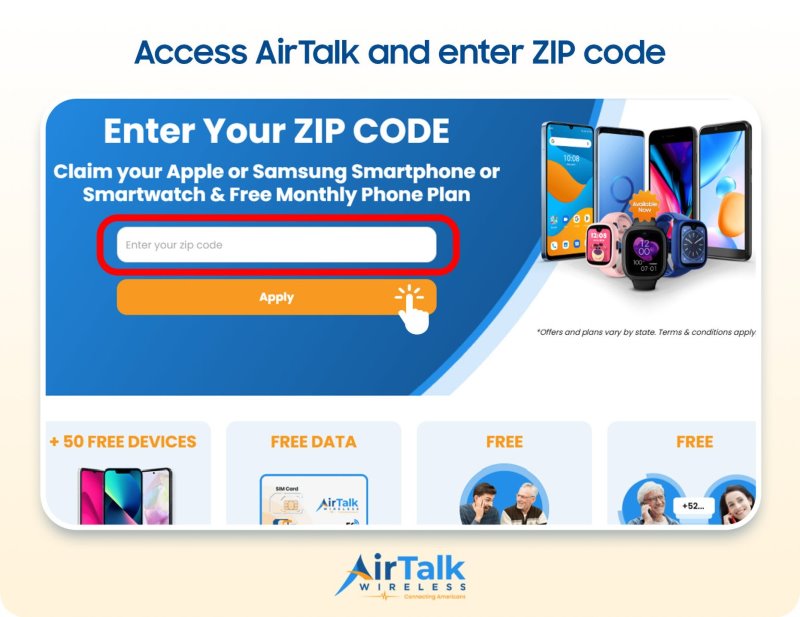
- Go to airtalkwireless.com and enter your ZIP code to check service availability.
- Browse the available plans and devices in your region, which may vary by time of application and current inventory.
- Fill out personal information and submit proof of eligibility if required by your state.
- Wait for approval and have your free device and SIM card delivered to your address.
Frequently Asked Questions
Are nano SIMs still commonly used?
Despite eSIM’s increasing popularity, nano SIMs are still widely used and remain the standard SIM card size for most smartphones today.
How do I know if my SIM is nano or micro?
You can identify your SIM by checking its size. A nano SIM measures 12.3 × 8.8 mm, while a micro SIM measures 15 × 12 mm. Comparing it to your device’s SIM tray can also help
What are the disadvantages of nano cards?
Because nano SIMs are smaller and thinner than older SIM formats, they can be easier to misplace and may be slightly more delicate when handled outside the device.
Conclusion
To sum up, the difference between a nano SIM vs micro SIM comes down to size and device compatibility rather than functionality. However, while both SIM types provide the same network capabilities, nano SIMs are the standard choice for most modern smartphones.