Unlocked SIM free phones give you the freedom to choose any compatible carrier without restrictions. You are not tied to a contract, a network, or a specific provider.
This guide explains what unlocked SIM free phones are, how they compare to carrier-locked devices, and how eligible users may be able to get one at no cost.
1. What Are Unlocked SIM Free Phones?
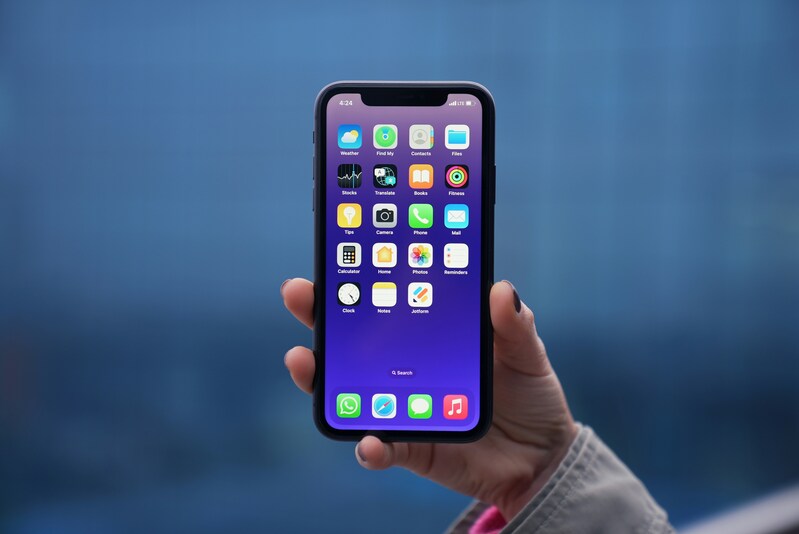
Unlocked SIM free phones are not tied to a specific carrier or contract. However, they still need to be compatible with the carrier’s network bands and features (such as VoLTE or 5G support) in order to work properly. Unlike carrier-locked phones, there is no software limiting which carrier you can use. You have full freedom to choose, switch, or travel with any compatible SIM or eSIM.
>>> Read more: How to Get Free eSIM Service Government iPhone (Step-by-Step Guide)
2. Unlocked SIM Free vs Carrier-Locked Phones
Understanding the difference between unlocked and locked phones will help you make a smarter purchasing decision. The main differences lie in flexibility, price, and how you use the phone daily.
| Feature | Unlocked SIM Free | Carrier-Locked |
| Carrier choice | Any compatible carrier | One carrier only |
| Switch carriers | Instant — swap SIM or activate eSIM | Must request unlock; may need to pay off device first |
| Upfront cost | Full retail price | Often subsidized or $0 with contract |
| International travel | Using a local SIM often helps avoid international roaming charges from your home carrier. | Pay roaming or unlock device first |
| Lifeline compatibility | Eligible for BYOD option | Depends on carrier unlock status |
| Resale value | Higher | Lower |
| Carrier support/insurance | May not apply | Usually included |
| Bloatware | None | Carrier apps often pre-installed |
3. Can I Just Put My SIM Card in an Unlocked Phone?
Yes. You can insert a SIM card from any carrier into an unlocked phone, and it will activate on that network. The only check needed is network compatibility; confirm the phone supports your carrier’s LTE or 5G frequency bands.
Most modern unlocked phones support all major US carriers, but you should double-check before buying since compatibility depends on the device’s supported LTE and 5G bands.
Before inserting your SIM card, confirm the following:
- The phone is truly unlocked: not just paid off, but confirmed unlocked by the carrier
- The IMEI is not blacklisted: a blacklisted device cannot connect to any US network, even with a valid SIM card
- The device supports your carrier’s frequency bands, particularly important for 5G compatibility
How to check compatibility: Visit your carrier’s website and use their BYOD (Bring Your Own Device) compatibility tool. Enter your phone’s IMEI number to get a direct confirmation.
Tip: If your unlocked phone supports eSIM, you can activate a plan digitally without any physical SIM swap. Go to Settings -> Cellular -> Add eSIM and follow your carrier’s instructions.
4. What Are the Downsides of an Unlocked Phone?
Unlocked SIM free phones offer real freedom, but they come with trade-offs worth knowing before you buy.
- Higher upfront cost: You pay the full retail price with no carrier subsidy, which can be significant for flagship models
- No financing through a carrier: Unlocked phones purchased directly are typically paid in full at the time of purchase, though some manufacturers offer their own installment plans
- Compatibility checks required: You need to verify band support and IMEI status before committing to a device, especially when buying second-hand
- Fewer carrier promotions: Trade-in deals, free accessories, and bundled streaming subscriptions are usually reserved for customers who buy directly through a carrier
- Carrier support may not apply: Benefits such as financing plans, bundled insurance, or in-store device support may not apply to unlocked devices purchased outside the carrier.
These trade-offs are manageable for most users, and for eligible low-income households, there is a way to get a free phone without paying full retail.
5. Who Should Consider an Unlocked SIM Free Phone?
Unlocked phones are not the right fit for everyone, but they make a lot of sense for certain users:
- Frequent travelers who want to swap in a local SIM abroad instead of paying roaming fees
- People switching carriers who want full flexibility without waiting for a carrier unlock
- Budget-conscious shoppers who want to separate the cost of the device from the cost of the plan
- Lifeline users who own an unlocked phone and want to activate a free plan through BYOD
- Users who already have a SIM plan and just need a compatible device to pair it with
If upfront cost is the main barrier, the next section covers a practical option for eligible US residents.
6. Need a Phone and Wireless Service?
If the upfront cost of an unlocked phone feels out of reach, eligible low-income households in the U.S. may be able to receive a discounted or free smartphone from participating service providers, such as Cintex Wireless, that participate in the federal Lifeline program.
Lifeline itself is a federal benefit program that helps reduce the cost of phone service, while participating providers, also known as Eligible Telecommunications Carriers, determine device availability and service offerings. These offers typically include no contract and may come with no monthly service cost for eligible users.
You may qualify if your household income is at or below 135% of the Federal Poverty Guidelines. Enrollment in Medicaid, SNAP, SSI, Section 8, or Veterans Pension also qualifies you automatically.
Note: Eligibility varies by state and program. Offers depend on availability and qualifications. Cintex Wireless operates under the federal Lifeline Program as an Eligible Telecommunications Carrier (ETC). Service is non-transferable and limited to one service per household.
If you already own a phone, you may be able to bring it to a Lifeline provider and activate a free SIM or eSIM on your existing device. This is called the BYOD (Bring Your Own Device) option. Check with your provider to confirm compatibility before applying.
As mentioned before, Cintex Wireless is a federally approved Eligible Telecommunications Carrier (ETC). Applying through Cintex can give you a broader selection of devices, as the carrier is merging with AirTalk Wireless, a long-established provider in the federal program carrier space. Through these providers, eligible users may receive:
- A free 5G smartphone
- A SIM card or eSIM is included with the plan
- Unlimited talk and text
- Monthly data allowance
- $0 monthly service cost
>>> Read more: Free Government Phone SIM Card: Unlock Zero-cost Services!
7. FAQ
Q1. Is an unlocked phone the same as a SIM-free phone?
In many cases (especially in the US), “SIM-free” and “unlocked” are used interchangeably. However, in some regions, SIM-free may simply mean the phone is sold without a SIM card, so it’s always best to confirm that the device is truly carrier-unlocked.
Q2. Will an unlocked phone work on any carrier in the US?
Most modern unlocked phones work with major U.S. mobile networks, provided they support the required LTE and 5G bands. Actual compatibility depends on the device model and network requirements. You can verify compatibility using a BYOD (Bring Your Own Device) checker by entering your phone’s IMEI number on the network provider’s website.
Q3. Can I use a Lifeline SIM in an unlocked phone I already own?
If your phone is unlocked and compatible with the provider’s network, you may be able to bring your own device and activate a free Lifeline SIM or eSIM.
Q4. What is the downside of an unlocked phone?
The main downside of an unlocked phone is the higher upfront cost, since there’s no carrier subsidy or contract discount. You also need to check compatibility with your chosen network (LTE/5G bands), and some carrier-specific benefits like financing, insurance, or in-store support may not apply.
Final Words
Unlocked SIM free phones remove the restrictions that come with carrier-locked devices. You can switch carriers instantly, use any compatible SIM or eSIM, and avoid long-term contracts. The main trade-off is the higher upfront cost since there is no carrier subsidy. If that cost is a barrier, eligible users may qualify for a free smartphone through an approved Lifeline provider at no monthly cost.