The names eSIM and iSIM sound similar, but they are not the same technology. While both replace the traditional SIM card, they differ in how they are built, how they operate, and where they are used.
This guide compares eSIM vs iSIM to help you understand the differences before choosing a compatible device or mobile plan.
1. What are eSIM vs iSIM?
Both eSIM and iSIM perform the same basic function: they identify your device on a mobile network without requiring a removable SIM card.
However, the way they are designed and integrated into a device differs significantly.
What is eSIM?
An eSIM (embedded SIM) usually refers to a secure embedded SIM/eUICC component built into a device that can download and store carrier profiles digitally.
Instead of inserting or replacing a physical SIM card, users activate a mobile plan by downloading a carrier profile directly onto the eSIM.
This allows users to switch carriers, add additional plans, or activate service without handling a physical SIM card.
Nowadays, eSIM is supported by many smartphones, tablets, smartwatches, and other connected devices.
What is iSIM?
An iSIM (integrated SIM) serves the same purpose as an eSIM but takes integration one step further.
Rather than using a separate SIM component, iSIM integrates SIM or eSIM functionality into a secure hardware element within the device’s system-on-chip, or SoC.
What are the benefits of using iSIM? One of its biggest advantages is the highly integrated design, which reduces the number of components inside a device.
This can help free up internal space, reduce hardware complexity, and potentially improve power efficiency, especially in small connected devices.
In addition, it may also support strong hardware-backed security because credentials can be handled inside a protected SoC environment, but both eSIM and iSIM are designed around secure SIM-profile storage and authentication.
While iSIM is still emerging, these advantages make it a promising technology for future connected devices.
2. Key Differences Between eSIM vs iSIM
Although eSIM and iSIM perform the same function, they are developed using different hardware architectures.
These design choices influence several aspects of a device, including its size, energy consumption, manufacturing process, and long-term applications.
Understanding these differences can help explain what is the main difference between eSIM and iSIM and why both technologies continue to coexist.

Size
iSIM is not a separate card. It is designed to use far less board space because the SIM function is integrated into the SoC instead of requiring a separate physical SIM or eSIM component.
This means it can free up crucial space for other components, enabling more compact devices.
This is good news for IoT device manufacturers, who often work under tight space limits.
Technical Implementation
eSIM relies on its own embedded hardware to store subscriber information and communicate with mobile networks.
In contrast, iSIM embeds these capabilities into a protected hardware area within the device’s SoC, reducing the need for a separate SIM component during manufacturing.
Power Efficiency
Since iSIM reduces the need for separate SIM hardware, it may help simplify device design, potentially improving energy efficiency.
Meanwhile, although eSIM already consumes very little power, iSIM is designed to optimize battery usage further, making it especially attractive for wearables, sensors, and other low-power connected devices.
Security
Both eSIM and iSIM are designed with strong security mechanisms to protect subscriber credentials.
To be more specific, iSIM places SIM functionality inside a protected SoC environment, while eSIM uses a separate secure embedded component. Both approaches can be secure when implemented and certified properly.
Cost
From a manufacturing standpoint, eSIM requires an additional chip inside the device, whereas iSIM removes that requirement by integrating SIM functionality into the processor itself.
As the technology matures, this streamlined design could help manufacturers reduce hardware complexity and production costs.
Current Availability
Availability is currently the biggest practical difference between eSIM vs iSIM.
eSIM has already been adopted across many smartphones, tablets, laptops, and smartwatches, with support from numerous mobile carriers.
iSIM, on the other hand, is still emerging and is more commonly found in IoT products and specialized connected devices than in mainstream consumer electronics.
The following table summarizes the key differences between eSIM vs iSIM for quick reference.
| Feature | eSIM | iSIM |
| Size | Separate embedded chip | Smaller, integrated into the processor (SoC) |
| Technical Implementation | Dedicated embedded SIM hardware | SIM functionality built directly into the processor |
| Power Efficiency | Low power consumption | Higher efficiency through deeper integration |
| Security | Secure embedded chip | Protected within the processor’s secure environment |
| Cost | Requires an additional hardware component | May reduce hardware complexity over time |
| Current Availability | Widely available in smartphones, tablets, and wearables | Emerging, mainly used in IoT devices and emerging connected products |
>>> Read more: How To Activate eSIM On iOS And Android? 2026 Tutorial
3. Is it Better to Choose eSIM vs iSIM? Factors to Consider
Choosing between eSIM vs iSIM is not a direct choice at checkout or activation.
In many cases, the technology is determined by the device hardware and carrier support you purchase rather than the mobile plan you select.
For most smartphone users, eSIM is currently the more practical choice.
It is supported by a wide range of devices and carriers, making it easy to activate mobile service, switch providers, or manage multiple phone numbers without using a physical SIM card.
On the contrary, iSIM is aimed more at device manufacturers than end users. Since it is integrated into the processor during production, consumers generally cannot choose between eSIM and iSIM when activating a wireless plan.
When deciding which technology better suits your needs, consider the following:
- Device compatibility: Many current smartphones support eSIM, while iSIM availability in mainstream consumer devices is still limited.
- Carrier support: eSIM is widely supported by major mobile providers, whereas iSIM support is still developing.
- Intended use: Smartphones, tablets, and smartwatches are more likely to rely on eSIM today, while iSIM is being positioned for IoT devices, wearables, and other compact connected products.
- Future readiness: iSIM offers promising advantages in hardware integration and efficiency, but widespread consumer adoption will likely take time.
Generally, for most people buying a phone today, eSIM remains the technology they will actually use.
iSIM represents an important step forward in SIM design, but it is still emerging and is not yet a deciding factor for the average smartphone buyer.
4. Check if You Qualify for Affordable Phone & SIM Card Options
Whether you choose a traditional SIM card or a device with eSIM support, you’ll still need a wireless plan to stay connected. If you’re looking for a more affordable option, the Lifeline program may be worth considering.
Lifeline is a federal assistance program that helps eligible low-income households reduce the cost of phone service or internet service.
Rather than providing service directly, the program works through participating Eligible Telecommunications Carriers (ETCs), which manage enrollment and deliver the supported wireless benefits.
In many cases, these carriers like Cintex Wireless offer more than just monthly service.
You may qualify if your household income falls within the program’s limits or if you participate in qualifying government assistance programs such as SNAP, Medicaid, SSI, Federal Public Housing Assistance, or certain other federal programs.
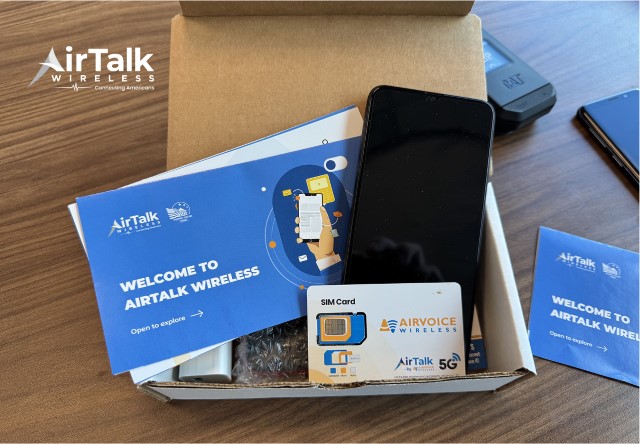
Depending on your eligibility and the offers available in your state, you may receive a free SIM card or eSIM activation, monthly talk, text, and data, or even a discounted or free smartphone.
Keep in mind that Lifeline benefits are intended only for the approved recipient. The service cannot be transferred to another person and is generally limited to one benefit per eligible household.
Note: As part of Cintex’s merger with AirTalk Wireless, applicants can now complete the enrollment process through a more unified platform while continuing to access Lifeline-supported services and a broader selection of eligible devices.
IMPORTANT: The government does not subsidize devices. Lifeline programs cover basic service costs only. Free or discounted devices, upgrade plans, or top-ups are exclusive benefits provided by Cintex and AirTalk Wireless as part of our promotional offers. Terms and conditions apply. Limited-time promotion—offers vary by state, stock availability, and eligibility.
5. FAQs
Is it better to get an eSIM or SIM card?
It depends on your phone, carrier, and habits. eSIM is convenient for digital activation, travel plans, and managing multiple profiles on supported devices. A physical SIM can be easier if you regularly move service between phones or use a device/carrier that does not support eSIM.
Is iSIM safer than eSIM?
Not automatically. iSIM can offer strong hardware-backed security because SIM functionality is integrated into a protected area of the SoC, but eSIM also uses secure embedded components and GSMA-defined provisioning standards. Security depends on the implementation, certification, carrier process, and device design.
Will iSIM replace eSIM?
Not soon. iSIM is expected to complement SIM and eSIM rather than replace them immediately. eSIM is already widely used in consumer devices, while iSIM is still emerging in mainstream phones and is especially relevant for compact connected devices, wearables, and IoT.
Conclusion
Comparing eSIM vs iSIM shows that both technologies share the same goal of replacing traditional SIM cards, but they take different approaches to achieving it.
As iSIM adoption continues to grow, it may play a larger role in future consumer electronics, but for now, eSIM remains the technology most users will encounter when activating a mobile plan.