How does a SIM card work for international travel when your usual carrier no longer has direct coverage?
The answer depends on whether you use international roaming, replace your home SIM with a local one, activate a travel eSIM, or connect through a portable hotspot. Each option affects your costs, phone number, data access, and setup differently.
This guide breaks down how they work so you can land with a connection plan already in place instead of searching for Wi-Fi after arrival.
1. How Does a SIM Card Work for International Travel?
The short answer to how does a SIM card work for international travel is simple: your home SIM may connect to partner networks through international roaming, or you can use a local SIM card or travel eSIM to access mobile service abroad.
Here’s what happens behind the scenes.
Your physical SIM or eSIM contains identifying and authentication information that allows your carrier to recognize your mobile subscription. When you travel outside your home country, your phone may connect to a foreign network that has a roaming agreement with your home carrier.
Roaming must be supported by your carrier and plan. You may also need to enable Data Roaming on your phone, and additional charges can apply.
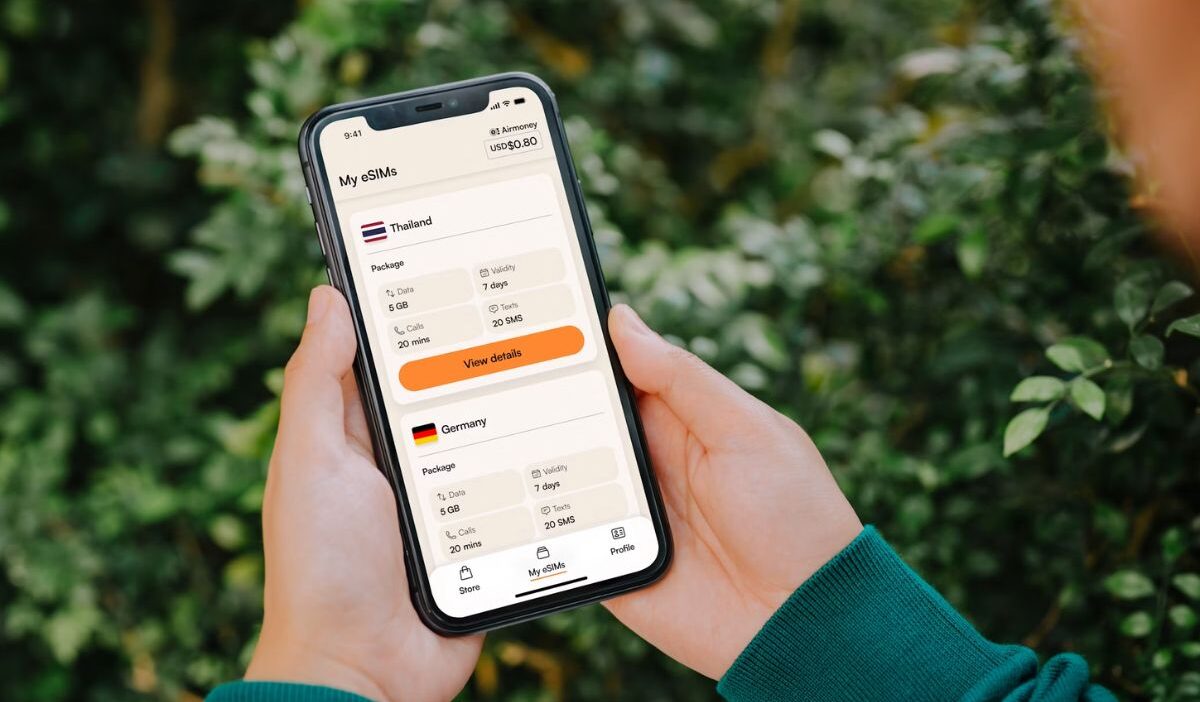
Another option is replacing your home SIM with a local SIM or activating a travel eSIM. Your phone then uses the service provided by that carrier or travel eSIM company instead of relying entirely on your home plan’s roaming rates.
A local SIM or travel eSIM may offer lower prices or more suitable data allowances, but coverage, speed, calls, texts, and hotspot support vary by plan.
Before using another provider, confirm that your phone is unlocked and compatible with the SIM or eSIM.
Understanding how does a SIM card work for international travel starts with knowing that your phone does not automatically work with every provider. The available service depends on your device, carrier, destination, and chosen plan.
2. The Different Ways to Stay Connected While Traveling
Now that you understand how does a SIM card work for international travel, it’s easier to compare the available options.
| Option | How It Works | Best For |
| International Roaming | Your home carrier connects your phone to a partner network overseas. The plan and roaming settings must support the destination. | Short trips where convenience matters most |
| Local SIM Card | Replace your home SIM or add another physical SIM from a local carrier. The phone must be unlocked and compatible. | Longer stays and travelers comparing local plans |
| Travel eSIM | Activate a digital travel plan on an unlocked, compatible phone. Some plans provide data only. | Compatible phones and travelers who want digital setup |
| Pocket Wi-Fi | Carry a portable hotspot that shares one mobile-data connection with several devices. | Groups that will remain together and can keep the hotspot charged |
Each option balances convenience, cost, coverage, and flexibility differently.
>>> Read more: Best Free eSIM Trial: Which One Actually Fits Your Needs
3. Which Option Makes the Most Sense for Your Trip?
Choosing the right solution depends less on the technology and more on how you travel. That’s why how does a SIM card work for international travel often has a different practical answer for different travelers.
- Weekend vacation
For a short getaway, an international roaming pass or travel eSIM may be the easiest choice. Compare the full price and included destinations before deciding, since roaming is not always more expensive than purchasing a separate plan.
- Business trip
If staying reachable on your regular phone number is important, roaming or a Dual SIM setup with your home line and a travel eSIM may work well.
Set the travel line as the cellular data line when appropriate, and review roaming settings on your home line to avoid unexpected charges.
- Long-term study
If you’re wondering how does a SIM card work for international travel, students spending several months abroad may benefit from a local SIM card because it can provide a local number and access to domestic mobile plans.
However, purchasing and activating the plan may require identification, local payment information, or other documents depending on the country.
- Digital nomad
Frequent travelers may prefer an eSIM because compatible phones can store multiple plans and switch between them without replacing a physical card.
However, check each plan carefully because some international travel eSIMs provide data only and do not include standard calls or SMS.
- Family travel
When several people need internet access, renting one Pocket Wi-Fi device may be worth comparing with separate mobile plans.
Consider the rental cost, data limit, battery life, number of connected devices, and whether everyone will remain close enough to use the same hotspot.
4. Physical SIM vs. eSIM for International Travel
If you’re wondering how does a SIM card work for international travel, it’s helpful to know that both physical SIMs and eSIMs can keep you connected abroad, though the experience is a little different.
| Feature | Physical SIM | eSIM |
| Setup | Insert a compatible SIM card and follow the carrier’s activation process. | Activate digitally through a QR code, carrier app, link, transfer process, or other provider instructions. |
| Best For | Travelers with phones that do not support eSIM or those buying a local plan after arrival. | Travelers who want to activate service before departure or switch plans quickly. |
| Keep Your Home Number | Requires a compatible Dual SIM phone if you want both lines active at once. | Many Dual SIM phones let you keep a home line active while using a travel eSIM for data. Roaming charges may still apply to the home line. |
| Switching Carriers | Usually requires removing and replacing the SIM card. | Switch between stored eSIM profiles through the phone’s settings. |
| Availability | Varies by destination, retailer, carrier, and local identification requirements. | Depends on the phone model, carrier support, destination, and plan. |
| Risk of Loss | The small card can be misplaced when removed during a trip. | There is no physical card to lose or damage. |
| Calls and Texts | Local carrier plans commonly include a local number, but benefits vary. | Some plans include a number and calling, while many worldwide travel eSIMs provide data only. |
| Ideal Trip Type | Longer stays where a local carrier provides suitable coverage and pricing. | Short trips, multi-country travel, and travelers who value digital setup. |
5. After the Trip, Keep Your Everyday Connection Affordable
After learning how does a SIM card work for international travel, it’s worth taking a look at your everyday mobile service once you’re back home.
If your current plan no longer fits your needs, switching to a more affordable option may be a smart next step.
For households that qualify, the Lifeline program, which is a government assistance program, helps reduce the cost of phone service or internet service.
Particularly, the program provides a monthly discount on the aforementioned service through participating Eligible Telecommunications Carriers (ETCs).
And these carriers take it to another step by offering a free device to ensure the support can be more long-lasting.
Eligibility is based on your household income or your participation in other qualifying programs like SSI, SNAP, Medicaid, etc.
Cintex Wireless is one of those ETC, who is trusted by many participants for its simple application process and regularly updated inventory.
Importantly, the carrier is merging into AirTalk Wireless, another ETC who have been serving in the industry for more than 2 decades. With such a transition, eligible households can now experience a much more advanced system, broader device options, and faster application
To apply, the general steps are as follows:
- Visit the carrier website and enter your ZIP code to confirm service availability.
- Explore and choose the available wireless plans or compatible devices.
- Complete the online application and upload any required documents.
- Submit and wait for your result. Once approved, you will receive instructions on service activation.
DISCLAIMER: The government does not cover device costs, only basic service through Lifeline. Any free or discounted devices, upgrades, or top-ups are limited-time Cintex Wireless and AirTalk Wireless offers and may vary by state, eligibility, and availability. Terms and conditions apply.
6. FAQs
Will my SIM card work automatically in another country?
It depends on your carrier, plan, destination, and phone settings. Your home SIM may connect when international roaming is supported and enabled, but additional charges may apply. Check the destination coverage and roaming rates before departure.
Do I need to replace my SIM card when traveling?
Not necessarily. You can keep your home SIM and use international roaming when available. You may also add a travel eSIM on a compatible phone or replace the physical SIM with a local one.
Can I keep my home phone number while using another SIM?
Yes, if your phone supports the required Dual SIM configuration and both plans can remain active. You can often use the travel line for data while keeping the home number available, but calls, texts, and other activity on the home line may still create roaming charges.
Conclusion
Staying connected abroad is easier when you choose your setup before the trip begins. Understanding how does a SIM card work for international travel helps you compare roaming, local SIMs, travel eSIMs, and Pocket Wi-Fi based on your destination and length of stay.
Check that your phone is unlocked, confirm whether the plan includes calls and texts or data only, and review possible roaming charges before departure. The right option should keep you connected without adding unnecessary cost or confusion to your journey.