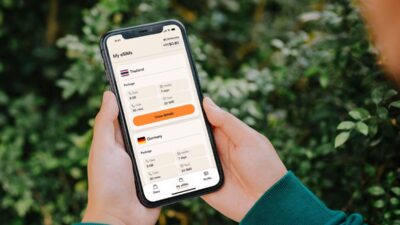
Buying a SIM card sounds inexpensive until plan charges, activation fees, and shipping costs come into play. That is why how much is a SIM card for Android cannot always be answered with the price printed on the starter kit.
In the United States, a physical SIM often costs only a few dollars, and some carriers provide one at no charge when you open a line. The final amount depends more on the carrier, service type, and setup requirements than on the small piece of plastic itself.
1. Which SIM Card Do Android Phones Use?
Android phones do not all use the same SIM format. The correct option depends on the phone’s age, model, and region.
- Micro SIM: It is mainly found in older Android devices and is larger than the nano-SIM cards used in most recent smartphones.
- Nano SIM: It is the standard physical format for many current Android phones. Some carrier starter kits include adapters that allow one card to fit nano, micro, or standard SIM slots.
- eSIM: It is built into the phone and activated digitally, so there is no card to insert. Many recent devices from Google, Samsung, Motorola, and other Android manufacturers support it, although compatibility varies by model and carrier.
2. How Much Is a SIM Card for Android?
In the United States, a physical Android SIM card may be free with activation or available for a small one-time cost when sold separately or as part of a starter kit.
Retail prices vary depending on the carrier, seller, and whether the package includes service credit or a prepaid plan.
An eSIM may not have a separate card charge because the carrier activates a digital SIM profile on the phone. However, free activation is not universal, and you still need a compatible device and eligible mobile plan.
Therefore, the SIM price only tells part of the story.
A low-cost card paired with a $40 plan and an activation charge costs more on day one than a free SIM attached to a $20 prepaid package.

3. What Affects the Cost of an Android SIM Card?
Two Android users can buy similar SIM cards and still pay very different totals. The following factors usually explain the difference.
Carrier or wireless provider
Major carriers, prepaid brands, and mobile virtual network operators set their own prices. One company may include the card with a plan, while another sells a separate activation kit.
Physical SIM vs. eSIM
A physical SIM must be manufactured and packaged and may need to be shipped. An eSIM is activated digitally through a carrier app, QR code, device-transfer process, or other provider instructions, potentially eliminating the need for a physical card and delivery costs.
However, eSIM availability depends on the exact Android model, region, wireless provider, and plan. A phone may support eSIM hardware but still be ineligible for eSIM activation with a particular carrier.
>>>Read more: eSIM Vs Nano SIM: Which One Is Better In 2026
Prepaid vs. postpaid
Prepaid service normally requires payment before the line begins. Postpaid accounts bill later and may include credit checks, setup charges, or device-related fees.
New line vs. replacement SIM
A replacement card may be free through the carrier, but an authorized retailer may charge for the SIM kit or setup service.
Depending on the provider and device, you may be able to collect a replacement in a store, have one shipped, or switch to eSIM instead. Check the available options before paying for expedited delivery.
Online order vs. store purchase
Online and in-store prices, promotions, activation fees, and shipping options can differ.
An online promotion may waive an activation fee or provide free shipping, while a store purchase offers immediate access to the SIM and in-person setup help. Compare the full cost rather than assuming one sales channel is always cheaper.
Activation fee
This charge can be larger than the SIM itself. Check whether it applies to a new account, a new line, or a device change before completing the order.
Whether a plan purchase is required
Some retailers advertise a low SIM price but require you to purchase a monthly plan at the same time. The plan could raise the checkout total by $20, $40, or more.
Shipping
A free SIM is no longer completely free when expedited delivery is added. Store pickup or eSIM activation may avoid this cost.
Taxes and surcharges
Government taxes and carrier fees vary by location and plan. Some advertised prices include them, while others add them at checkout or on the first bill.
Bring-your-own-phone compatibility
An inexpensive SIM has little value when the Android phone cannot be activated on the carrier’s network.
Check the IMEI through the provider’s compatibility tool before placing an order. An approved result means the carrier considers the phone eligible for activation, but it does not guarantee strong coverage or support for every network feature in every location.
4. Prepaid vs Postpaid SIM Plan: Which Costs Less?
Prepaid service is generally less expensive to start because you pay for a set amount of service in advance and can avoid a long commitment.
However, it is not always less expensive to start. Monthly prepaid plans may have a low opening cost, while multi-month or annual plans can require a larger upfront payment.
Meanwhile, postpaid plans may offer stronger multi-line discounts, phone financing, roaming benefits, or premium data. The first bill may also be higher because it can include activation charges, device payments, taxes, and other fees.
| Cost Area | Prepaid SIM Plan | Postpaid SIM Plan |
| SIM card | Often free or available for a small one-time cost | Commonly included with activation or provided through eSIM |
| First payment | Paid before service begins; multi-month plans may require a larger upfront payment | Usually billed monthly; the first bill may include activation and device charges |
| Credit check | Usually not required | Often required |
| Activation fee | May be waived, especially with qualifying online activation | May apply to each new line |
| Contract | Usually no annual service contract | Service may be flexible, but device financing creates a separate payment obligation |
| Best suited for | Budget control, flexible service, and single lines | Families, financed devices, and plans with bundled features |
5. What to Check Before Buying a SIM for Android
A few checks can prevent you from buying a card that does not work with your phone or budget.
Is the phone unlocked?
A carrier-locked Android phone may reject a SIM or eSIM from another provider.
Some phones display lock information in Settings, but the menu differs by manufacturer and carrier. Contact the original provider or use its official unlock-status tool to confirm whether the phone is eligible to use another network.
Complete this step before purchasing a plan from a different carrier.
Does it use nano-SIM or eSIM?
Inspect the SIM tray or look up the exact model number. Regional versions of the same Android phone may support different configurations.
Does the carrier support your Android model?
eSIM support depends heavily on the carrier. A phone may contain eSIM hardware but still be excluded from a provider’s activation list.
Is the phone compatible with the network?
Use the IMEI checker on the carrier’s website before buying a SIM or activating an eSIM.
A successful result confirms that the provider accepts the phone for activation, but it does not guarantee strong local reception or support for every feature. Regional phone versions may lack certain bands or carrier-specific capabilities even when they are unlocked.
Do you want to keep your current number?
Number transfers usually require your current account number, transfer PIN, and accurate billing information. Until the transfer is finished, do not terminate the previous service.
Is local coverage good?
A cheap plan is not a bargain when reception is poor at home or work. Review the coverage map and ask people nearby about their experience.
Is the SIM for a phone, tablet, or hotspot?
Phones, tablets, and hotspots may require different plans. A voice SIM is not always suitable for a data-only device.
Are activation fees or first-month plan costs required?
Add the SIM, first month, activation charge, taxes, and delivery cost. This amount is the real starting price.
6. Save Money with Free SIM Card Option from Cintex Wireless
After choosing the right SIM for your Android phone, the next step is finding a mobile plan that fits your budget.
If you’re looking for an affordable plan, it’s worth considering the Lifeline program.
This is a government assistance program that helps eligible households access stable connectivity without further straining their financial situation.
The program provides a monthly discount through approved Eligible Telecommunications Carriers, or ETCs. These carriers often also provide a free device to prolong the Lifeline benefit.
To qualify, program eligibility is based on income or participation in qualifying programs.
Cintex Wireless is one of those participating ETCs and may offer eligible customers a free SIM card, discounted service, or a compatible device.
What’s more is that Cintex is merging with AirTalk Wireless, which results in access to broader device options and a faster application process in general.
Plus, there is also a bring-your-own-device option for those who want to continue using their own device.
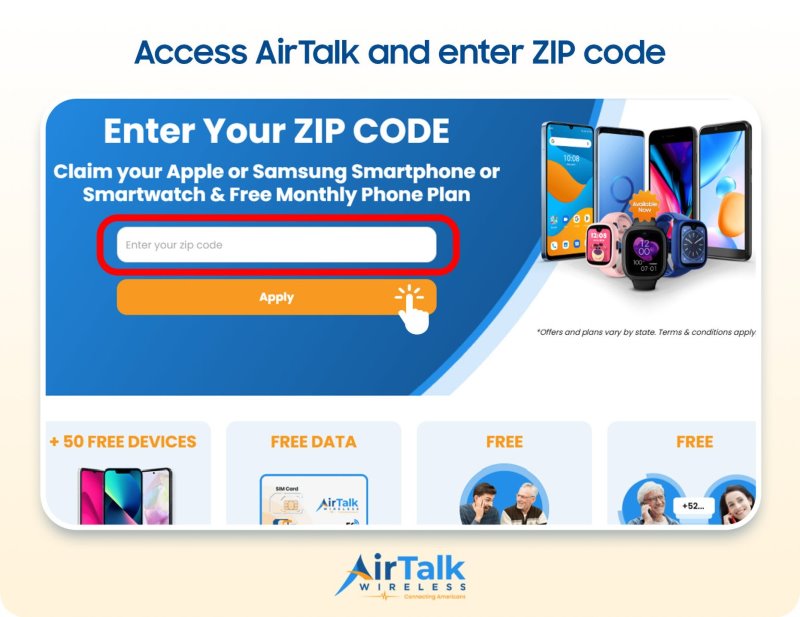
The application process usually includes:
- Enter your ZIP code to check availability.
- Choose a plan and device option.
- Provide the required information and documents.
- Submit the application and wait for approval. Follow the activation instructions or wait for the SIM or device to arrive.
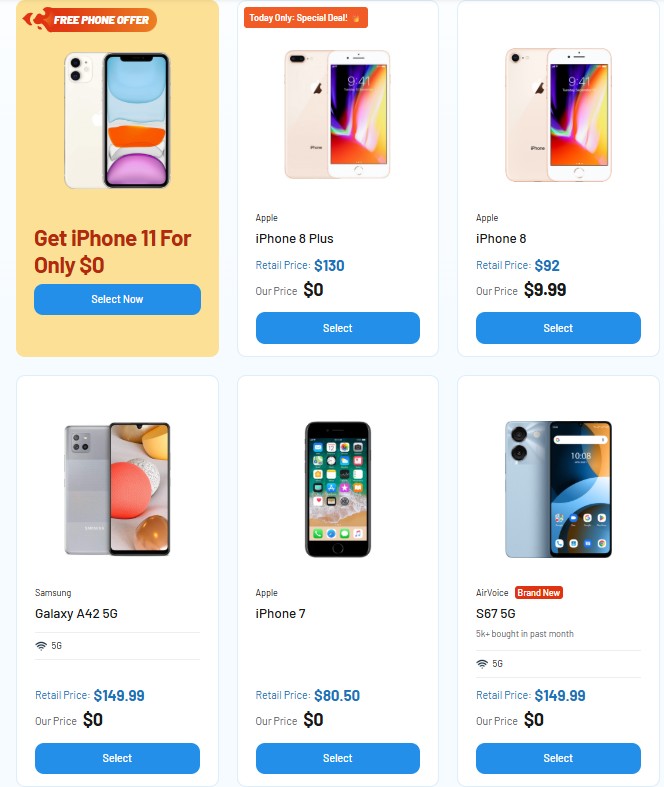
DISCLAIMER: The government does not cover device costs, only basic service through Lifeline. Any free or discounted devices, upgrades, or top-ups are limited-time Cintex Wireless and AirTalk Wireless offers and may vary by state, eligibility, and availability. Terms and conditions apply.
Conclusion
So, how much is a SIM card for Android? The card itself may cost around $1 to $10, and it may even be free through a carrier promotion, eSIM activation, or an eligible Lifeline provider.
The smarter comparison begins with the full checkout total. Confirm that the Android phone is unlocked, check network support, and add the plan, activation, delivery, and taxes before choosing a provider. A low-cost SIM saves money only if the service it supports also fits your budget and daily use.