An old SIM card may look like something you can toss into the trash. However, it can still store account identifiers, saved contacts, and other information associated with your mobile service. That makes careless disposal a poor choice.
Knowing what to do with old SIM card helps you protect your data and avoid getting rid of something you may still need during a number transfer or device change. Read this post for more details!
1. What Information is Stored on a SIM Card?
A SIM card primarily stores information that identifies your mobile subscription, including identifiers such as the ICCID and IMSI.
Older SIMs may also contain contacts or text messages saved directly to the card.
On the other hand, photos, apps, videos, and most modern messages are usually stored on the phone or in a cloud account rather than on the SIM.
2. Why You Shouldn’t Throw Away Your Old SIM Card?
Before figuring out what to do with old SIM card, you should know that it may still be useful for a short time after you switch phones or carriers.
The old SIM may still work temporarily until the replacement SIM or eSIM is fully activated. However, carriers often deactivate the old SIM once the transfer or replacement completes, so do not assume it will remain usable as a backup.
Security is another reason not to throw it directly into household waste. It matters most if the old SIM is still active.
Someone who can use an active SIM may receive calls or SMS sent to your number, including verification codes for accounts that rely on text-message authentication.
Older SIMs may also contain locally stored contacts or messages.
The risk becomes more serious if the old number still receives SMS verification codes or has not been properly deactivated.
Before the new service is fully activated, keeping the old SIM nearby can be useful in case you need to verify information or retry the transfer.
Once the carrier deactivates it, however, it will no longer function as a service backup.

3. What to Do with Old SIM Card?
These five strategies can help you handle an old SIM safely without throwing it away too soon.
Keep It Temporarily Until Your New Service Works
Keep the old SIM until the replacement line is fully active.
Once calls, texts, and mobile data work normally on the new setup, you can decide whether the old card still has any practical use.
If you are switching carriers and keeping your number, keep the old SIM until the number port is fully complete and incoming calls, texts, and mobile data work on the new service.
Erase Your Personal Information & Transfer Any Contacts You Still Need
Check whether the card contains contacts or messages that you want to keep, then move them to your new phone or cloud account.
If your phone or SIM-management tools allow it, remove any SIM-stored contacts or messages you no longer need before disposal.
Confirm the Old SIM Has Been Deactivated
Removing a SIM does not always mean the line has been closed.
Check your carrier account or contact the provider to confirm that the old card is no longer active, especially after a replacement or number transfer.
Store It Securely if You Still Have a Reason to Keep It
What to do with old SIM card? If the SIM is still useful as a backup, place it in a labeled holder or protective case.
Keeping it loose in a wallet or drawer increases the chance of damage, loss, or confusion with another card.
Fully Destroy or Recycle When You No Longer Need It
Once the card is inactive and all useful information has been moved, cut through the chip area or use an appropriate destruction method before disposal.
If a local electronics or e-waste program accepts SIM cards, recycling is preferable to throwing the card loose into household trash.
If you sell, trade in, or give away the old phone, remove the physical SIM first unless your carrier specifically instructs otherwise.
>>> Read more: What Is Stored On A SIM Card? Key Information You Should Know (2026)
4. Can I Use My Old SIM on My New Phone?
Yes, you can often transfer an old SIM to a new phone if the card is still active and both devices are compatible.
However, the new phone needs to accept the same SIM size, support your carrier’s network, and be unlocked when you are changing between providers.
Most current phones with a physical tray use nano-SIM, while some older devices rely on micro-SIM.
After moving the card, your existing number and mobile plan normally remain attached to the same line.
Nevertheless, note that personal files such as photos, apps, and messages do not move with the SIM, so those still need a separate phone-to-phone transfer or cloud backup.
If the new phone uses eSIM only, the physical card cannot simply be inserted. Your carrier will need to transfer or convert the line to a digital profile instead.
>>>Read more: Free Mobile SIM Card: How To Get An Affordable Phone Plan
5. Don’t Want to Use a Physical SIM Card? Switch to Digital eSIM
Now you know what to do with old SIM card. However, if you no longer want to deal with a removable SIM, eSIM can be a cleaner alternative.
The mobile profile is stored digitally inside a compatible phone, so there is no card to lose, damage, or dispose of later.
Especially, eligible low-income households may consider the Lifeline program to reduce monthly wireless costs.
The program provides discounted qualifying service through approved Eligible Telecommunications Carriers if you are qualified based on income or participation in approved assistance programs.
Cintex Wireless is a reputable Lifeline carrier that is merging with AirTalk Wireless.
This merger allows applicants to easily review Lifeline plans and available devices while experiencing a seamless application process.
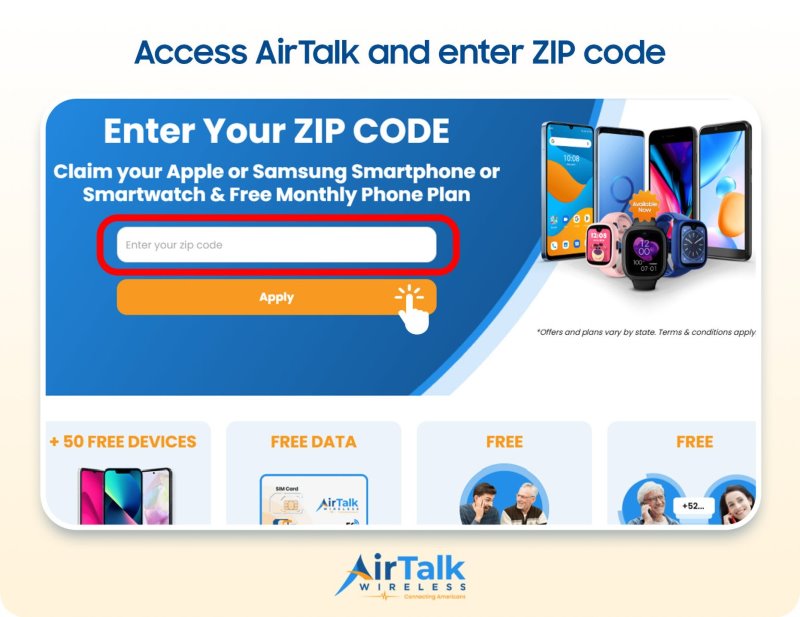
Applicants generally need to enter their ZIP code, choose an available plan and device option, complete personal information, and follow the activation instructions after approval.
Depending on eligibility, state, and inventory, benefits may include talk, text, mobile data, and a free or discounted phone.
IMPORTANT: The government does not subsidize devices. Lifeline programs cover basic service costs only. Free or discounted devices, upgrade plans, or top-ups are exclusive benefits provided by Cintex and AirTalk Wireless as part of the promotional offers. Terms and conditions apply. Limited-time promotion—offers vary by state, stock availability, and eligibility.
Conclusion
An old SIM card does not need to go straight into the trash. What to do with old SIM card depends on whether you still need the line, contacts, or backup access.
Once the new service is up and running and the old card is deactivated, you can store it securely, destroy the chip, or recycle it through an appropriate e-waste service.