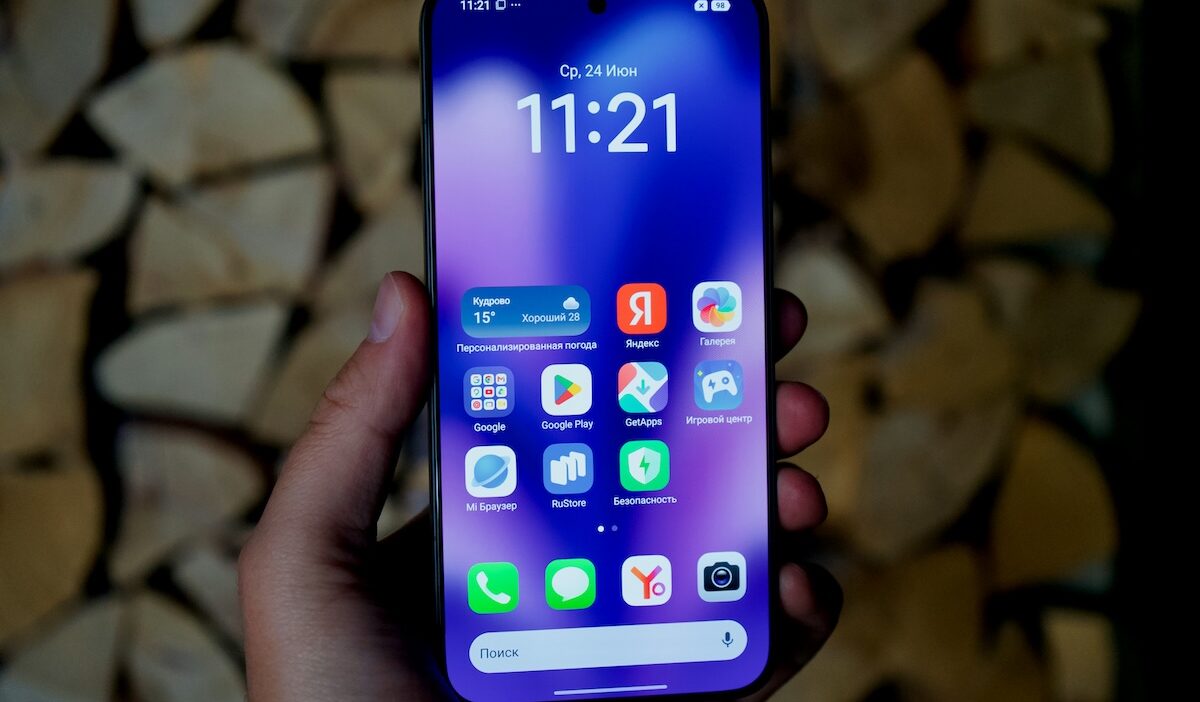
Best SIM free phones are not necessarily the newest or most expensive models. The better choice is the one that matches your network, budget, and the way you actually use a phone every day.
That makes shopping a little more involved than comparing price tags. From a $200 everyday handset to a four-figure flagship, start with compatibility, then narrow the field by features that will actually earn their keep.
1. Check Compatibility Before Choosing the Best SIM Free Phones
Before comparing cameras or processors, make sure the phone can actually get connected.
A SIM-free phone is commonly sold without wireless service bundled with it and is often unlocked, but being unlocked does not guarantee compatibility with every network.
Here are a few things to verify first:
- Whether the exact model is carrier-unlocked
- Support for the network you intend to use
- Required LTE and 5G connectivity
- Physical SIM, eSIM, or Dual SIM support
- Any regional differences between versions of the same phone
That last point is becoming more important. Some newer phones use different SIM configurations depending on where they are sold.
Compatibility is the foundation here. There is little value in finding the perfect camera or battery if the phone hits a brick wall at activation.
2. Best SIM Free Phones by Budget
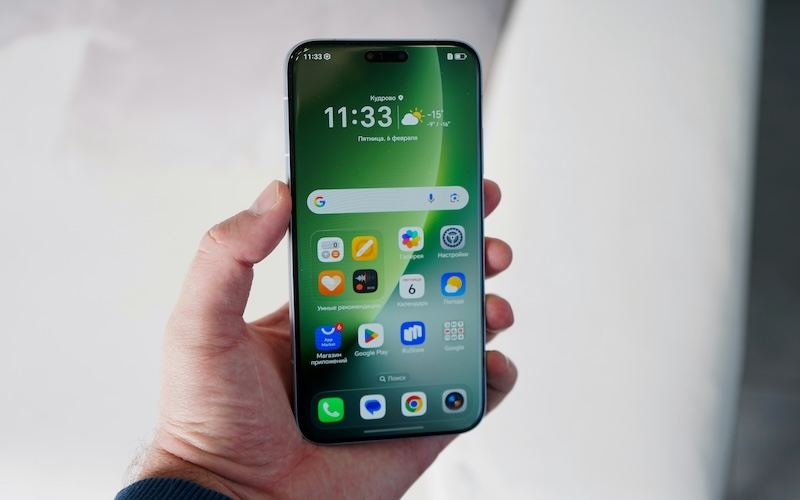
There is no single winner for every budget. Instead, think of each price range as buying a different balance of performance, camera quality, display, and software support.
Great value under $300
If you mostly call, message, browse, stream, navigate, and use social apps, today’s entry-level phones can already cover plenty of ground.
Two current models worth comparing are:
- Samsung Galaxy A17 5G, listed at $249.99 unlocked in the U.S.
- moto g 2026, introduced at a $199.99 unlocked MSRP
The Galaxy A17 5G gives shoppers a current low-cost Galaxy option, while the moto g 2026 combines a 6.7-inch 120Hz display, 5G, a 5,200mAh battery, and expandable storage.
At this level, prioritize dependable battery life and enough storage over features you are unlikely to use.
Mid-range models worth buying
This is where the gap between price and premium features starts to narrow.
Current options include:
- Google Pixel 10a, starting at $499
- Samsung Galaxy A57 5G, starting at $549.99
- Apple iPhone 17e, starting at $599
The Pixel 10a brings a 120Hz OLED display, 8GB RAM, and a dual-camera system, while the Galaxy A57 5G sits in Samsung’s updated 2026 A-series lineup. The iPhone 17e offers the A19 chip, OLED display, 48MP Fusion camera, and 256GB starting storage.
For many buyers, this is the sweet spot: fewer compromises without jumping straight to flagship prices.
Flagship phones for premium buyers
If camera capability, demanding games, high-end displays, or long-term use matter more than price, current flagship choices include:
- Google Pixel 10 Pro, starting at $999
- Apple iPhone 17 Pro, starting at $1,099
- Samsung Galaxy S26 Ultra, starting at $1,299.99
These models sit at the top end of their current families, but paying more only makes sense when you will actually use the extra performance and camera features.
Note: Prices and promotions can change, so treat these figures as reference points rather than permanent price tags.
>>> Read more: How to Get Free Government Phone Service With eSIM
3. Which Best SIM Free Phones Match Your Lifestyle?
Once budget narrows the field, daily habits should make the final cut.
Everyday performance and long battery life
Do not judge battery life by capacity alone. A larger battery helps, but processor efficiency, display settings, software, and usage can change how long a phone actually lasts.
Look for strong real-world battery performance, practical charging speeds, enough storage, and a processor that can comfortably handle your usual apps.
For photography and content creation
Megapixels tell only part of the story.
Compare:
- Main and ultrawide camera quality
- Optical image stabilization
- Low-light performance
- Video resolution and stabilization
- Available storage
If video is a priority, also consider how quickly high-resolution recordings can eat through storage.
Built for mobile gaming
Gaming needs more than a fast processor on paper. Look for:
- Strong sustained performance
- Effective thermal management
- A high-refresh-rate display
- Responsive touch controls
- Good battery endurance
A phone that starts fast but throttles heavily after twenty minutes can look better on a specification sheet than it feels in your hands.
Ideal companions for frequent travelers
Travelers should look for an unlocked phone with broad network compatibility and flexible SIM support.
Dual SIM or eSIM can let you add travel service without constantly swapping tiny pieces of plastic. Just remember that keeping a home line active abroad may still involve roaming charges depending on your setup.
4. How to Compare SIM Free Mobile Phones Before Buying
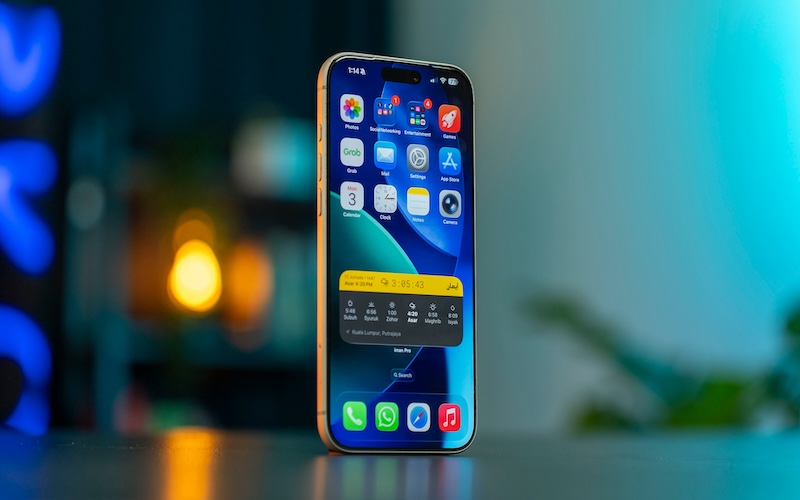
When comparing SIM free mobile phones, use the specification sheet as a filter rather than a scoreboard.
| Feature | Why to Consider |
| Processor | Everyday speed and sustained performance |
| Memory & Storage | Multitasking needs and space for apps, photos, and videos |
| Display | Size, brightness, panel quality, and refresh rate |
| Camera | Real camera capabilities rather than megapixels alone |
| Battery | Actual endurance plus charging options |
| Software Support | How many useful years the phone may have ahead |
| SIM/eSIM | Compatibility with your current and future setup |
| Repairability | Ease and potential cost of common repairs |
The goal is not to collect the highest number in every row. It is to avoid paying for specifications that will spend most of their life sitting idle.
>>> Read more: Free GOV Phone Program: Claim Your Free iPhone & $0 Plans
5. A More Affordable Way to Pair Your Phone With Service
If you have narrowed your list of the best SIM free phones, you may already be close to buying one. But before paying full retail price, there is another option worth checking if your household meets certain eligibility requirements.
The federal Lifeline program helps qualifying households reduce the cost of eligible phone service or internet service.
People may qualify based on income or participation in programs such as Medicaid, SNAP, SSI, Federal Public Housing Assistance, or qualifying Veterans benefits.
One distinction is important here: Lifeline does not provide the phone itself. The government benefit applies to qualifying service. However, participating Eligible Telecommunications Carriers can separately offer their own device promotions to eligible customers.
Cintex Wireless is one such ETC. Beyond providing Lifeline-supported service, Cintex may offer customers a choice of free or heavily discounted phones, depending on eligibility, location, and available inventory. That gives shoppers another path besides buying a SIM-free phone at full retail price.
The distinction can make a real difference when comparing value. You might find that:
- A phone is available for $0 through a Cintex promotional offer
- A higher-tier device is available at a significant discount
- You can still choose an available Lifeline-supported service plan alongside the device
- If none of the available phones suit you, a compatible phone you already own may still be an option
These device offers come from the provider rather than from Lifeline itself, which is why models, prices, and availability can change as inventory changes.
There is also more choice opening up as Cintex transitions into AirTalk Wireless.
The migration highlights a wider device catalog that can include multiple free phones as well as discounted smartphones, tablets, etc, with availability varying by area and stock. This also brings Cintex customers into AirTalk’s more streamlined application and fulfillment experience.
So if you are comparing SIM-free phones because you need a new device, retail stores do not necessarily have to be your first stop. Checking your Lifeline eligibility and the current Cintex/AirTalk device selection first could reveal a free or discounted option that changes the whole comparison.
IMPORTANT: The government does not subsidize devices. Lifeline programs cover basic service costs only. Free or discounted devices, upgrade plans, or top-ups are exclusive benefits provided by Cintex and AirTalk Wireless as part of the promotional offers. Terms and conditions apply. Limited-time promotion—offers vary by state, stock availability, and eligibility.
6. FAQs
Are SIM free phones unlocked?
They often are, but do not rely on the label alone. Check the product description or device settings to confirm that no carrier lock remains.
Can I put my current SIM in a SIM free phone?
Yes, if the phone is unlocked, compatible with your network, and supports your SIM type. An eSIM-only phone requires an eSIM transfer or new activation instead of inserting a physical card.
Do SIM free phones come with a SIM card?
Usually not. “SIM-free” generally means the handset is sold separately from wireless service, so you arrange a compatible physical SIM or eSIM afterward.
Are SIM free phones cheaper than contract phones?
Not necessarily. SIM-free phones can make it easier to compare service separately, but the total cost depends on the handset price, financing, promotions, and the plan you ultimately choose.
Conclusion
The best SIM free phones are the ones that spend your money where you will actually notice it. A frequent traveler may value eSIM flexibility, while a heavy photographer may happily trade that priority for a stronger camera system.
Start with compatibility, narrow the choice by budget, and then let your daily habits break the tie. The best phone on paper means very little if its best features are ones you never use.