SIM free smartphone shopping gives you more control over the handset you buy without requiring you to choose a wireless service at the same time. That can be useful when you already have a plan, want to shop around later, or simply prefer choosing the phone on its own merits.
But having more choice also means doing a little more homework yourself. A phone can look perfect on the shelf and still be the wrong match for your carrier.
Before buying, it is worth checking what SIM-free actually means, whether the device fits your needs, and what the full cost looks like beyond the price tag.
1. What Is a SIM Free Smartphone?
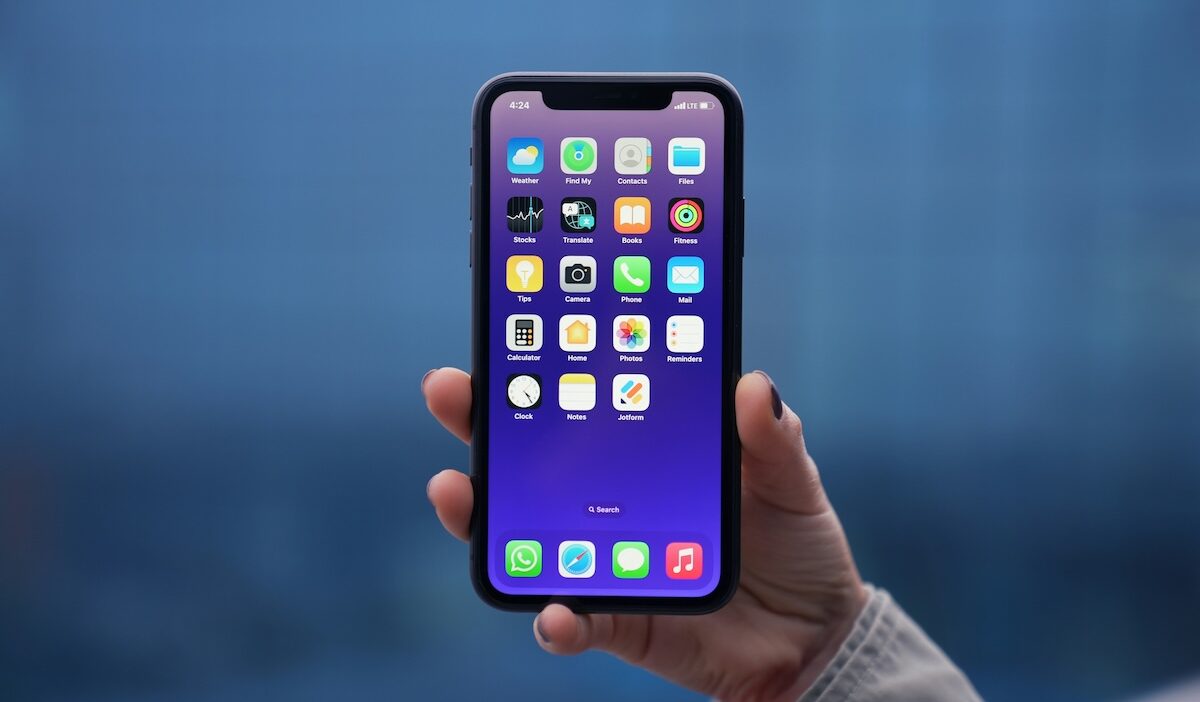
A SIM free smartphone is generally sold without a wireless plan or SIM already bundled with the purchase. You get the handset first and arrange compatible mobile service separately.
Many SIM free smartphones are also sold unlocked, meaning they are not restricted to one carrier.
However, the two terms describe different things. “SIM-free” refers mainly to how the phone is sold, while “unlocked” refers to whether a carrier restriction is placed on the device.
That difference is worth checking rather than taking the label at face value. On an unlocked iPhone, for example, Settings > General > About should show No SIM restrictions next to Carrier Lock.
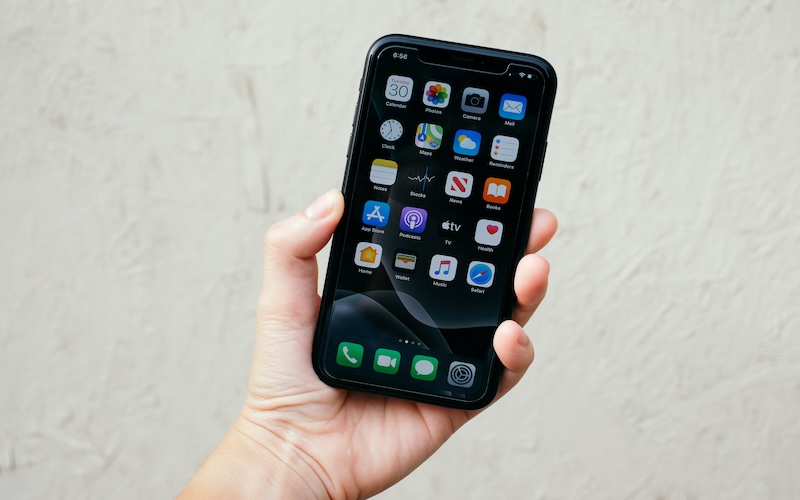
Once the lock question is settled, check how the phone connects. Depending on the model and market, it may use a physical SIM, eSIM, or both. Some newer phones are moving away from physical cards altogether.
So buying a smartphone SIM free gives you room to choose your service later, but the phone still has to be technically compatible with that service.
2. What to Check Before Buying a SIM Free Smartphone
The SIM-free label tells you surprisingly little about whether a specific phone will work well for you. This is where looking under the hood pays off.
Before buying, check:
- Carrier compatibility: Confirm the exact model works with your intended carrier and supports the necessary LTE or 5G network.
- SIM format: Find out whether you need a physical SIM, eSIM, or either option.
- Lock status: Particularly with pre-owned phones, verify that the device is actually carrier-unlocked.
- Software support: Check how much operating-system and security support the model still has ahead of it.
- Device condition: Inspect battery health, physical condition, warranty coverage, and return terms when applicable.
Do not assume that an older SIM will work simply because it physically fits, either. Google notes that some older SIM cards are unsupported on Pixel 8 and later models.
A few minutes spent checking the model number, network support, and SIM setup can spare you the much less enjoyable job of troubleshooting an activation that was never going to work in the first place.
>>> Read more: Free SIM Card With Free Service Government iPhone
3. Is a SIM Free Smartphone Right for You?
The better question is not whether SIM-free is universally better, but whether it suits the way you buy and use phones.
A SIM free smartphone may make sense if you:
- Already have service you want to keep
- Expect to compare or change carriers
- Travel and want more flexibility with SIM or eSIM plans
- Prefer choosing the handset independently of your wireless provider
- Tend to keep a phone longer than a carrier promotion lasts
For example, a frequent traveler might value an unlocked device because another compatible carrier or travel eSIM can be added abroad. Apple notes that using another carrier’s travel eSIM requires the iPhone to be unlocked.
On the other hand, someone who values one monthly bill, carrier trade-in offers, and bundled device financing may find a carrier purchase more convenient.
There is no gold medal for choosing one route over the other. The better option is the one that fits how much control you want to manage yourself.
4. Does Buying SIM-Free Actually Save Money?
Sometimes, but the answer rarely sits in the phone’s price tag alone.
A carrier may offer trade-in credits or monthly device financing, while an independently purchased handset may give you more freedom to choose a lower-cost service plan. Either option can come out ahead depending on the deal.
A better comparison is:
| Option | SIM free smartphone | Carrier phone |
| Device price | Retail price or separate financing | May include financing or promotions |
| Plan choice | Shop compatible providers separately | Usually starts with that carrier |
| Switching | Easier when device is unlocked and compatible | May depend on lock and financing terms |
| Promotions | Retail/manufacturer offers | Carrier trade-ins or bill credits |
If saving money is the goal, add up the total cost of ownership: handset price, financing if any, monthly service, promotional conditions, and how long you expect to keep the phone.
That calculation may be less exciting than opening a new phone box, but it tells you far more than the word “SIM-free” ever will.
>>> Read more: SIM Card USA: How To Select The Best Option In 2026
5. Need Service for Your SIM Free Smartphone? Here Is Your Option
Once you have the phone, the next question is what kind of service you want running on it.
For households that meet the requirements, the federal Lifeline program can help make qualifying phone service or internet service more affordable.
Eligibility may be based on household income or participation in programs such as Medicaid, SNAP, SSI, or other qualifying assistance programs.
Lifeline is the benefit, while an Eligible Telecommunications Carrier provides the actual service.
Cintex Wireless is one such carrier, offering Lifeline-supported wireless service along with features designed to cover everyday communication needs.
Depending on eligibility, device compatibility, location, and availability, Cintex customers may have access to features such as:
- Monthly mobile data
- Caller ID, Call Waiting, 3-Way Calling, and Voicemail
- A SIM card or compatible eSIM to use the wireless service
- The option to keep a compatible phone you already own
- Free or discounted phone options offered by the provider when available, giving customers another choice if their current device needs replacing
So even if you arrive with a perfectly usable SIM free smartphone already in your pocket, the device choice is not set in stone. You can keep a compatible phone or look at available provider device offers if another model better suits your needs.
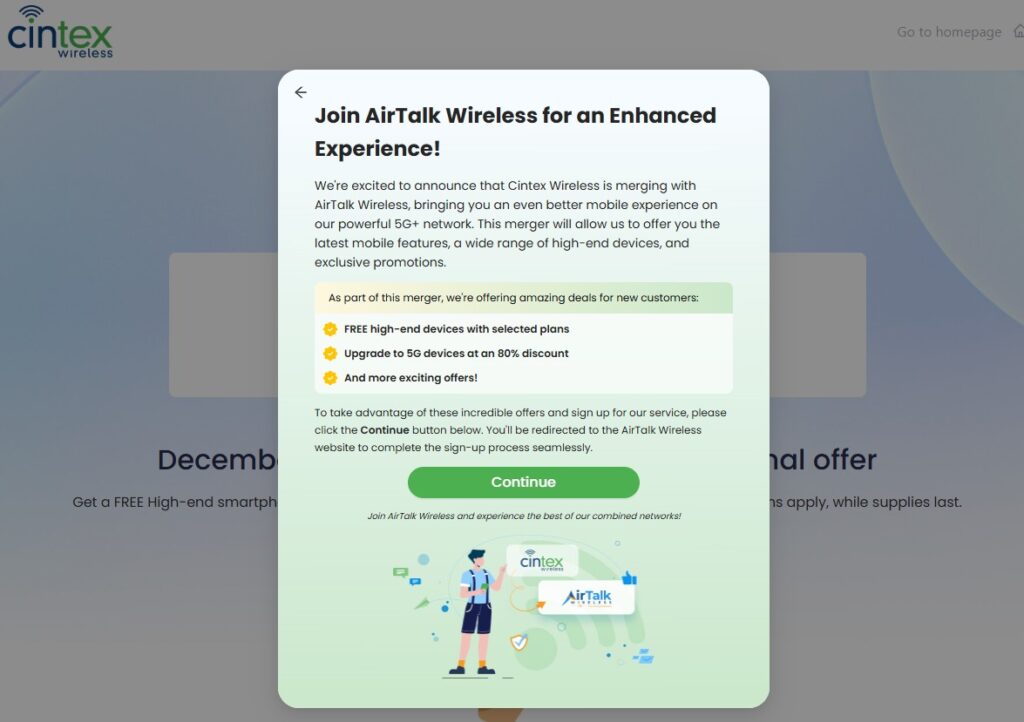
There is another change underway as well. Cintex is merging into AirTalk Wireless, bringing customers into a broader service experience.
For eligible households, the transition can mean access to a larger selection of available devices, a smoother application experience, and improved fulfillment from enrollment through getting connected.
That makes the service decision less about simply finding a SIM for the phone you bought and more about choosing the combination of service, features, and device option that works best for you.
IMPORTANT: The government does not subsidize devices. Lifeline programs cover basic service costs only. Free or discounted devices, upgrade plans, or top-ups are exclusive benefits provided by Cintex and AirTalk Wireless as part of the promotional offers. Terms and conditions apply. Limited-time promotion—offers vary by state, stock availability, and eligibility.
6. FAQs
Can I move my existing phone number to a SIM-free smartphone?
Usually, yes. If you stay with your current carrier, moving a compatible SIM or transferring an eSIM can keep the same line. If you change carriers, request a number transfer so your existing number can move to the new service.
Does buying a SIM-free phone affect my existing contract?
No. Buying another handset does not cancel your current wireless service, financing balance, or promotional agreement. Check your account terms before moving service to another carrier.
Can I use a SIM-free smartphone while traveling abroad?
Yes, if the phone is unlocked and compatible with the network at your destination. Depending on the device, you can use a supported local SIM, travel eSIM, or your carrier’s international roaming service.
Do SIM-free smartphones receive software updates normally?
Yes, if the device model remains supported. SIM-free status itself does not prevent updates, although availability and rollout timing can vary by manufacturer, model, region, and carrier configuration.
Conclusion
A SIM free smartphone makes the most sense when you want to choose a handset on its own merits rather than letting a wireless package make that decision for you.
But more freedom puts a few checks back in your hands. Look at the lock status, network compatibility, SIM or eSIM support, and total ownership cost before buying. Get those pieces right, and SIM-free becomes less about escaping a carrier and more about building a phone setup that actually fits the way you use it.