SIM free phones separate the device from the wireless service, giving you more freedom to decide which compatible carrier and plan you want to use. That can be especially handy if you already have service, want to switch providers later, or prefer shopping for the phone and plan separately.
That freedom comes with one catch: “SIM-free” does not mean “works everywhere.” Before spending your money, it helps to understand exactly what the label means and what else you still need to check.
1. What Is a SIM Free Phone?
In common retail use, it is a handset sold without a SIM card or wireless plan bundled with the purchase. Retailers use the term this way and sell their own SIM-free ranges unlocked.
So, what does SIM free mean in practice? It means you buy the handset separately and choose wireless service afterward.
That is not exactly the same thing as “unlocked.” An unlocked phone is specifically one that is not restricted to a particular carrier. Because seller policies differ, check the lock status before assuming a phone labeled SIM-free can move freely between networks.
For example, an unlocked iPhone displays No SIM Restrictions under Carrier Lock in Settings > General > About.
Even then, an unlocked phone still needs to support your chosen carrier’s network and activation requirements. The lock may be off, but the technical pieces still have to fit.
2. How Do SIM Free Phones Work?
Once you separate the phone from the plan, the process becomes easier to picture.
First, you buy the handset from a manufacturer or retailer. You may pay the full price upfront, but SIM-free does not necessarily mean cash on the barrelhead. Some retailers also offer financing or installment options.
Next comes the part that actually gets the phone online: choosing compatible service.
Depending on the model, that could mean inserting a physical SIM, activating an eSIM, or using both. Do not assume every new phone gives you all three possibilities. SIM configurations increasingly vary by country and model.
For example, the U.S. versions of Pixel 10, Pixel 10 Pro, and Pixel 10 Pro XL are eSIM-only. Google also notes that some older physical SIM cards are not supported on Pixel 8 and later.
After choosing a carrier, follow its activation instructions and test calling, texting, and mobile data. There is no universal activation time, so allow for carrier verification or account setup if needed
>>> Read more: Free SIM Card: What’s Actually Free and How to Get One
3. Are SIM Free Phones Worth It?
For the right buyer, yes.
A SIM free phone makes the most sense when you value choice. You can shop for the handset without letting a carrier package decide which phone you buy, then compare compatible plans separately.
That can be useful if you already have service you like, expect to change carriers, or want to use another SIM or eSIM while traveling.
But flexibility and savings are not twins. Buying SIM-free does not automatically make the total cost cheaper. A carrier promotion could sometimes beat the combined price of a separately purchased handset and plan.
Think of SIM-free as giving you a wider menu, not automatically handing you the cheapest meal.
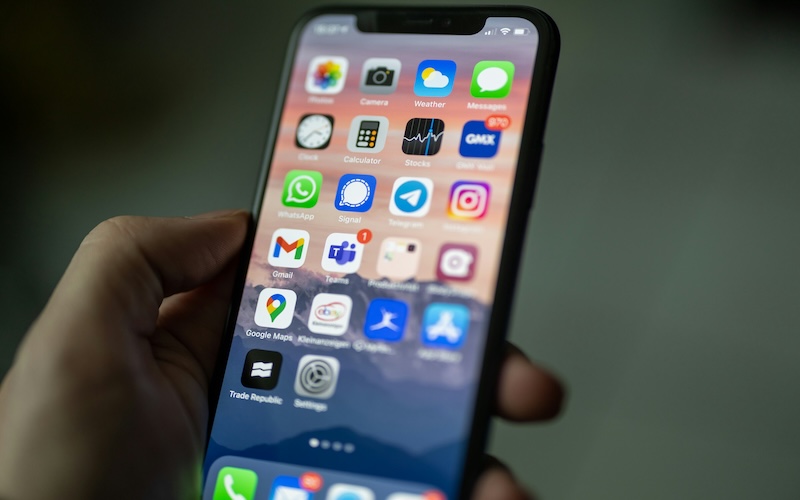
4. How to Find Cheap SIM Free Phones Without a Bad Deal
Finding cheap SIM free phones is not only about spotting the lowest price. A little checking upfront can keep a bargain from turning into a compatibility or repair headache later.
Compare the full cost, not just the phone price
A lower price does not always mean better value. Before buying, check:
- Carrier-lock status
- Device condition
- Battery health on pre-owned phones
- Warranty coverage
- Return policy
Paying slightly more for a phone with a healthy battery, reliable seller, and solid return window can save more in the long run.
Check older models
Previous-generation phones can be a good way to lower the cost without giving up the features you actually use.
Just avoid assuming every older iPhone, Galaxy, or Pixel still receives software updates. Support periods vary by exact model, so check the manufacturer’s current update policy before buying.
Confirm compatibility before you buy
This is the step that can make or break the deal.
Before purchasing any SIM free phone, confirm that it:
- Works with your intended carrier
- Supports the required LTE or 5G bands
- Uses a compatible physical SIM, eSIM, or both
Some newer phones also have stricter SIM requirements. For example, Google notes that certain older SIM cards are not supported on Pixel 8 and later models.
A few minutes spent checking compatibility before checkout can save you from opening the box only to find that your new phone and your carrier do not speak the same language.
>>> Read more: Free SIM Card With Unlimited Data: What to Check First
5. Bought SIM-Free? Choose Your Service Next
Once you have the phone, the other half of the equation is paying for the service that keeps it connected.
For qualifying households, Lifeline is a federal benefit that reduces the monthly cost of eligible phone service or internet service.
The standard benefit is worth up to $9.25 per month for qualifying internet or bundled service, or up to $34.25 per month for eligible subscribers on qualifying Tribal lands.
Eligibility can be based on household income or participation in qualifying programs such as Medicaid, SNAP, SSI, Federal Public Housing Assistance, or Veterans and Survivors Pension Benefit.
Lifeline itself is not the carrier providing the wireless line. Cintex Wireless is an Eligible Telecommunications Carrier that offers Lifeline-supported service.
For someone who already owns a SIM-free phone, the BYOD route is particularly relevant.
After confirming the service availability and selecting an available service plan, you can choose the device option that fits your situation: keep a compatible phone through Bring Your Own Phone or select an available new device. Cintex’s current plans include a SIM kit or eSIM for compatible service.
That means buying the handset separately does not necessarily leave you on your own when it comes to service. If the phone passes compatibility checks, it may be able to follow you into the plan you choose.
Cintex is also transitioning into AirTalk Wireless. The migration is intended to bring operations under one brand while giving customers a more unified service experience, additional features, and access to a wider selection of premium device options.
For eligible households, that creates more room to choose between keeping a compatible SIM-free phone and exploring other available devices rather than being boxed into a single setup.
IMPORTANT: The government does not subsidize devices. Lifeline programs cover basic service costs only. Free or discounted devices, upgrade plans, or top-ups are exclusive benefits provided by Cintex and AirTalk Wireless as part of the promotional offers. Terms and conditions apply. Limited-time promotion—offers vary by state, stock availability, and eligibility.
6. FAQs
Can you use a SIM-free phone with your current phone number?
Yes, usually. If you keep the same carrier and compatible SIM or eSIM, your existing line normally keeps its number. When switching carriers, request a number transfer so the new provider can move the number to your new service.
Do SIM-free phones come with a warranty?
They can, but warranty coverage depends on the device, seller, market, and purchase condition. Check the manufacturer’s warranty and the retailer’s return or protection terms before buying.
Will a SIM-free phone work internationally?
It may, provided it is unlocked and compatible with the destination network. Check supported bands and whether you need a physical SIM, travel eSIM, or roaming service before leaving. Apple also requires an unlocked iPhone when using another carrier’s travel eSIM.
Conclusion
SIM free phones can give you something bundled carrier deals do not always offer: the freedom to choose the handset first and build the service around it.
The label alone, however, is not a universal passport. Check the lock status, network compatibility, and SIM or eSIM support before buying. Once those pieces line up, the real value of going SIM-free is not simply paying less. It is having more say over what happens next.