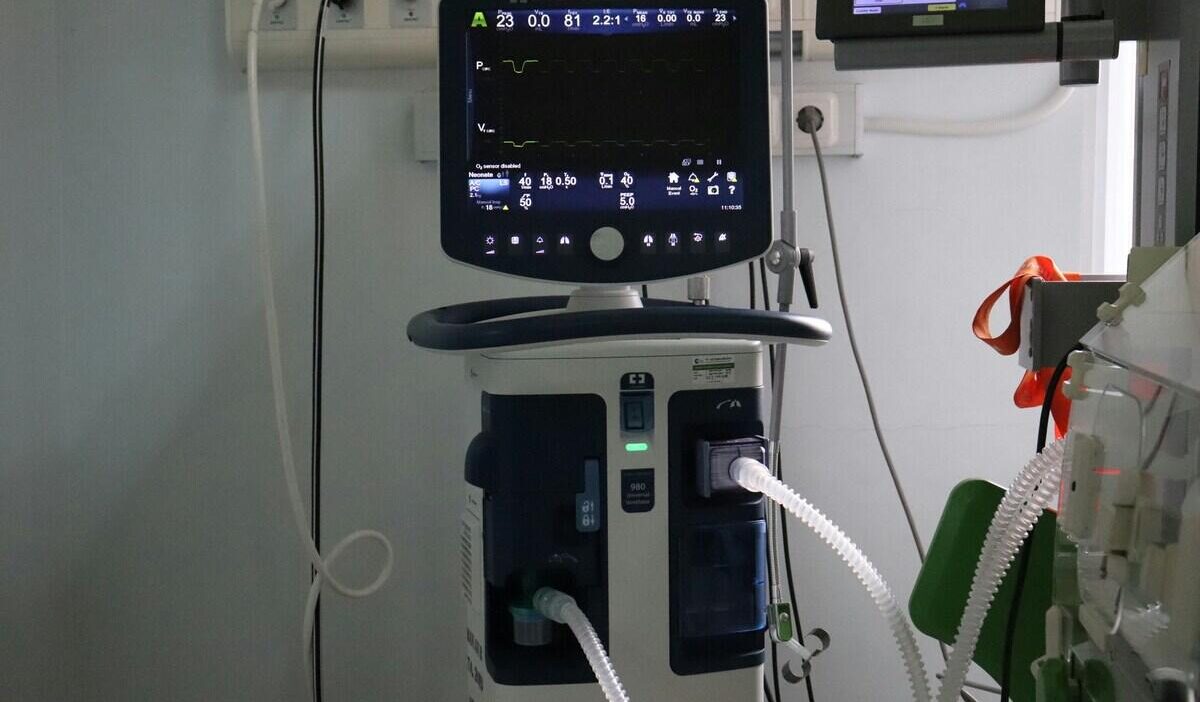
Does Medicaid cover CPAP machines? In many cases, yes, when a doctor confirms that the equipment is medically necessary and your state’s Medicaid program covers the required device.
The approval process usually starts with a sleep apnea diagnosis, a prescription, and any documentation or authorization requirements set by your state or plan.
This guide covers the four requirements for approval, what happens to supplies and replacements, whether you rent or own the machine, and what to do if your claim gets denied.
1. Does Medicaid Cover CPAP Machines?
Medicaid may cover CPAP machines and related supplies when they are considered medically necessary, but coverage rules differ by state and Medicaid plan.
A confirmed sleep apnea diagnosis and a doctor’s prescription are common starting points, while additional requirements may apply depending on where you live.
CPAP equipment is commonly covered through Medicaid’s durable medical equipment (DME) benefits, which may also include other medically necessary equipment such as mobility aids or respiratory supplies. The exact coverage category and requirements depend on your state’s Medicaid program.
2. What May Medicaid Require Before Approving a CPAP Machine?
Coverage does not begin automatically based only on suspected sleep apnea. Medicaid programs usually require medical documentation showing that the CPAP machine is necessary. Missing required information may delay approval or require additional review.
- A confirmed sleep apnea diagnosis
- A sleep study with documentation, where your state requires it
- A written prescription or order from your provider
- Prior authorization, when your state or plan requires it before a supplier can disburse the machine
- A participating DME supplier who is actually contracted with your Medicaid plan
>>> Also check out this blog: Does Medicaid Cover Home Health Care? Key Facts to Know
3. Does Medicaid Cover CPAP Supplies and Replacements?
Coverage extends past the machine itself. Masks, tubing, and filters all wear out on different schedules. These items are typically covered:
- Masks
- Tubing
- Filters
- Humidifier supplies
The exact replacement schedule and approved brands differ by state and plan. Requesting a swap too early, before your state’s approved interval, is one of the most common reasons a claim gets rejected.
4. Will Medicaid Rent or Buy Your CPAP Machine?
Whether Medicaid rents or purchases a CPAP machine depends on your state’s Medicaid rules, your managed care plan, and the DME supplier providing the equipment.
Some Medicaid programs may provide CPAP equipment through a rental arrangement, while others may purchase the device directly. Before receiving the machine, confirm with your supplier:
- Whether the equipment is rented or purchased
- Whether Medicaid covers the full cost or requires any out-of-pocket payment
- How ownership works after the coverage period
- What happens if you change Medicaid plans or providers
Understanding these details beforehand can help you avoid unexpected costs or coverage issues later.
5. What If Medicaid Denies or Doesn’t Fully Cover Your CPAP?
If Medicaid denies or partially covers your CPAP machine, you have the legal right to file a formal appeal and explore alternative financial assistance.
Why Medicaid Denies CPAP Coverage
A denial rarely comes out of nowhere; it usually traces back to one specific gap in the paperwork or the clinical record. Knowing which one applies to you is the first step toward fixing it.
- Missing paperwork, such as an outdated sleep study, a missing prescription, or an incomplete certificate of medical necessity
- A low Apnea-Hypopnea Index score from your sleep study that didn’t meet your state’s diagnostic threshold
- A compliance failure, such as not using the machine at least 4 hours a night during the mandatory trial period
- Requesting a mask, tubing, or filter replacement before your state’s approved interval
Steps to Take After a Denial
A denial letter isn’t the end of the process; it’s the starting point for a fix. These four steps cover what to do next, in the order that gets results fastest.
- Review the denial notice carefully, including the reason for denial and the deadline for requesting an appeal. Appeal timelines vary by state and Medicaid plan, so follow the instructions provided in your notice.
- File an appeal with your sleep doctor or DME supplier, submitting missing clinical notes, correcting billing codes, or adding a letter emphasizing medical necessity
- Contact your state Medicaid office to ask whether a peer-to-peer review between your doctor and the plan’s medical director is available
- Look into safety-net options like community health centers, charitable organizations, or manufacturer patient assistance programs offering donated or low-cost CPAP equipment
>>> Read more: Does Medicaid Cover Physical Therapy In 2026? Benefits & Eligibility
6. If Medicaid Covers Your CPAP, It May Connect You to Other Support
Beyond CPAP coverage, Medicaid enrollment can qualify US residents for another benefit entirely, one that lowers a monthly bill instead of covering medical equipment.
What Is the Lifeline Program?
Lifeline is a federal program that discounts a monthly phone service or internet service, up to $9.25 a month standard or $34.25 a month on Tribal lands.
Your Medicaid enrollment can help you qualify, and so can SNAP, SSI, Section 8, Veterans Pension, etc., or income at or below 135% of the federal poverty guidelines.
To receive Lifeline benefits, you can apply through Eligible Telecommunications Carriers because they offer additional benefits (such as a free device and $0 monthly services) beyond Lifeline subsidies.
How Do Lifeline Providers Work?
To be more specific, the ETCs like Cintex Wireless pair the standard Lifeline discount with their own device promotion.
This could give users a chance to receive a free 5G smartphone, $0 monthly service, or more significant discounts on higher-end 5G+ network plans. (Device varies by state and provider.)
UPDATE: Cintex Wireless has merged into AirTalk Wireless, and the transition gives users access to a stronger 5G+ network, faster approval, and more phone options.
How to Apply
Applying takes just a few steps once you know your eligibility.
- Visit the provider’s website and enter your ZIP code to check availability
- Select the Lifeline plan that shows on your screen
- Provide your information for verification purposes. And upload any documents if requested.
- Submit your application and wait for approval. Once approved, you can begin to use your benefit.
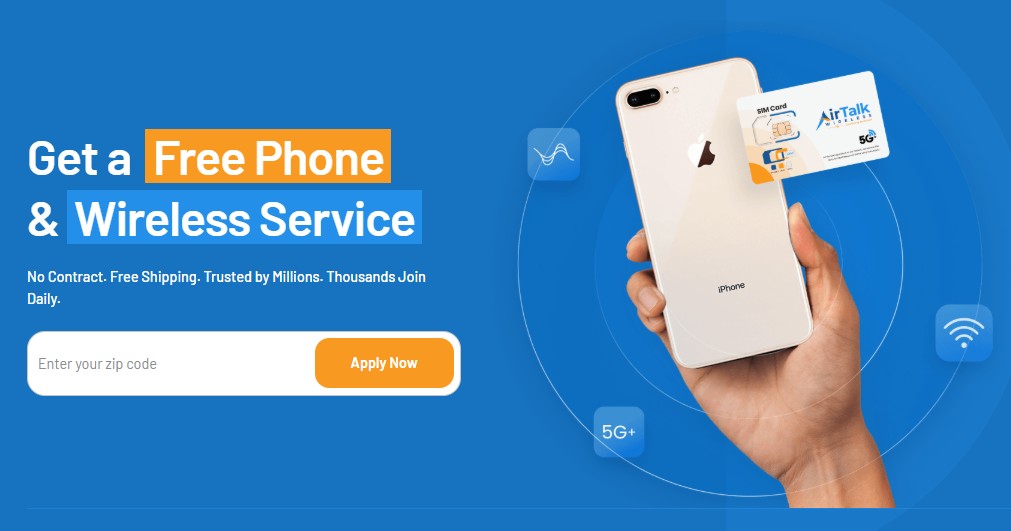
IMPORTANT: The government does not subsidize devices. Lifeline programs cover basic service costs only. Free or discounted devices, upgrade plans, or top-ups are exclusive benefits provided by AirTalk Wireless and Cintex Wireless as part of the promotional offers. Terms and conditions apply. Limited-time promotion—offers vary by state, stock availability, and eligibility.
7. Frequently Asked Questions
Q1. Are CPAP supplies covered by Medicaid?
Yes, Medicaid may cover CPAP supplies such as masks, tubing, filters, and replacement parts when they are medically necessary. The covered items and replacement schedule depend on your state Medicaid program and plan.
Q2. What can I do if I can’t afford a CPAP machine?
Check whether you qualify for Medicaid first, then ask your equipment supplier about payment plans, or look into manufacturer and nonprofit assistance programs designed for uninsured patients.
Q3. How much does a CPAP machine cost without insurance?
Prices commonly range from a few hundred dollars for a basic unit to over a thousand for more advanced models, before adding ongoing supply costs.
Q4. What does Medicaid cover for sleep apnea besides a CPAP machine?
Coverage can include the diagnostic sleep study itself, doctor visits related to the diagnosis, and in some states, alternative treatments if a CPAP machine is not tolerated.
Conclusion
Does Medicaid cover CPAP machines? Yes, when a doctor confirms it’s medically necessary, though the exact requirements and replacement schedule shift depending on your state.
Confirm your state’s specific rules with your DME supplier before you place an order. That one call clears up most of the confusion before it becomes a denied claim.