
Does Medicaid cover IUD? Generally, yes. Medicaid covers IUDs as part of its family-planning benefits, and covered family-planning services and supplies generally have no Medicaid cost sharing. The specific IUD options, provider requirements, and administrative procedures can vary by state and plan.
This guide covers exactly what’s included, why there’s no copay, and what happens if your plan pushes back.
1. Does Medicaid Cover IUD?
Medicaid generally covers IUDs as part of its family-planning benefits, including hormonal and copper IUD options.
Federal Medicaid rules provide protections for family-planning services and supplies, including contraceptive methods, and covered family-planning care is generally provided without cost sharing.
The specific products available to you, along with provider and administrative requirements, can vary by state and Medicaid plan.
If you have a particular IUD in mind, ask your Medicaid plan or provider whether that product is available under your coverage.
2. What Does Medicaid Cover When You Get an IUD?
Coverage goes beyond just the device sitting on a shelf. Three separate parts of the process are typically included. Knowing all three helps you avoid an unexpected bill.
- The device: A covered IUD is included as a contraceptive supply under Medicaid family-planning benefits.
- Insertion: Medicaid generally covers IUD insertion when provided as a covered family-planning service. Exact billing and provider requirements can vary by state and plan.
- Removal or replacement: Medicaid family-planning protections allow beneficiaries to change contraceptive methods, including having an IUD removed or replaced, subject to applicable coverage and administrative rules.

3. How Much Does an IUD Cost With Medicaid?
For eligible Medicaid beneficiaries, covered family-planning services and supplies generally have no cost sharing.
That can mean no copay or deductible for a covered IUD and related family-planning care, although you should confirm that the provider and service are covered under your specific Medicaid plan.
Covered family-planning services generally have no Medicaid cost sharing. Depending on your plan and the services provided, this can include:
- The covered IUD itself
- IUD insertion
- Related family-planning care
- Follow-up care associated with the contraceptive service
- IUD removal or replacement
Note: Two things can still affect your actual cost. You need to see a provider who accepts your specific state Medicaid plan, since going out of network can bring back a bill. State Medicaid programs and managed care plans can have different administrative requirements. If your plan requires prior authorization or has specific coverage procedures for an IUD, your provider can explain what needs to be completed before the procedure.
4. Can Medicaid Control Which IUD You Get?
Medicaid rules protect your freedom to choose among covered contraceptive methods and prohibit step-therapy requirements that force you to try one contraceptive method before another.
However, states and plans may use certain administrative or utilization-management requirements when permitted under Medicaid rules.
These requirements cannot be used to improperly restrict your choice of a covered contraceptive method.
Does Medicaid Cover Different IUD Brands?
Medicaid can cover different types of IUDs, including hormonal and copper options, but the specific products available to you can vary by state, Medicaid plan, and provider. If you have a particular brand in mind, confirm its availability before your appointment.
Can Your Doctor Recommend a Different IUD?
Yes. Your doctor can discuss the IUD options that fit your health history and preferences. Medicaid rules protect your freedom to choose a covered contraceptive method, although the specific products available can depend on your plan’s coverage and applicable requirements.
Can Your Plan Require Prior Authorization?
A Medicaid plan may require prior authorization in some circumstances. If it does, ask your provider or plan what information is required and whether the authorization applies to the specific IUD or procedure you are requesting. Federal Medicaid rules still protect your ability to choose a covered contraceptive method.
>>> Read more: If You Get Denied for Medicaid Can You Apply Again
5. How Do You Get an IUD Through Medicaid?
Getting an IUD covered by Medicaid takes two separate steps: getting Medicaid itself, and then getting the device scheduled through a provider who accepts it. Skipping either one can delay your appointment. Here is the order that works best.
- Confirm your Medicaid plan covers the service, since exact rules can vary by state
- Find a Medicaid-approved provider who offers IUD placement
- Schedule a family planning appointment with that provider
- Complete any required forms or tests ahead of your visit
- Follow up after placement to confirm everything is working as expected
What If Medicaid Does Not Cover Your IUD?
A coverage denial does not necessarily mean you cannot receive the IUD through Medicaid. First, find out why the claim or authorization was denied and whether the issue involves your provider, the specific product, or an administrative requirement.
- Ask your plan directly why coverage was denied
- Confirm your provider is actually in your plan’s network
- Request an appeal or coverage review if you believe the denial was incorrect
- Explore family planning clinics and assistance programs as a backup option
>>> Read more: Does Medicaid Cover Birth Control? What You Should Know
6. Medicaid Covers More Than You’d Expect
If you were surprised to learn that Medicaid can cover an IUD with little to no cost sharing, you may be overlooking other benefits available through your Medicaid eligibility.
Beyond health care, your participation in Medicaid may also help you qualify for other assistance programs, including Lifeline, a government assistance program that can reduce the cost of qualifying phone service or internet service through a monthly discount:
- Up to $9.25 a month for standard households
- Up to $34.25 a month on qualifying Tribal lands
Eligibility is generally based on participation in qualifying programs like Medicaid, SNAP, SSI, etc or meeting the income threshold.
You can apply for Lifeline through an approved internet company, also known as Eligible Telecommunications Carriers, like Cintex Wireless, to get yourself a chance to get a free 5G phone with the Lifeline-discounted service plan and other telecommunication benefits, since the company stacks its own device promotion on top of the federal benefit. Same eligibility, more walks away with you.
Recently, Cintex Wireless has merged into AirTalk Wireless. This means that when applying to either of the carriers, applicants can now access a more advanced, easy-to-navigate platform with a broader selection of phones, all from well-known brands.
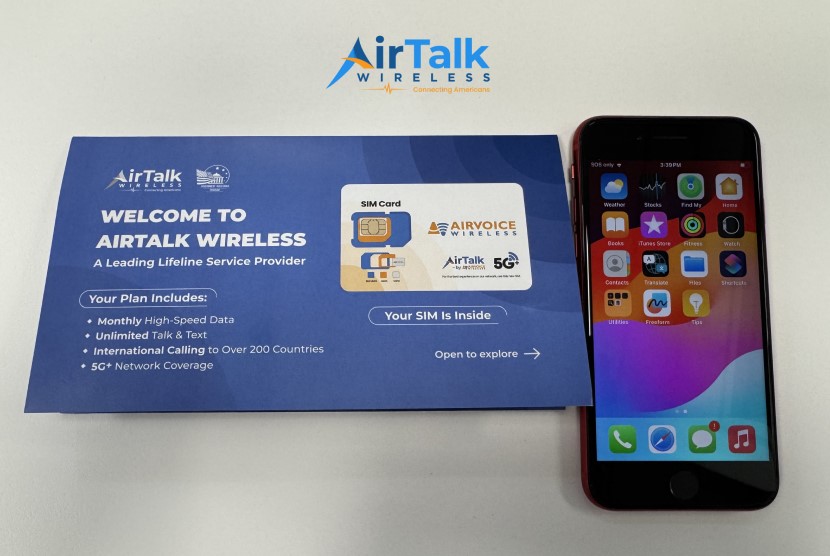
IMPORTANT: The government does not subsidize devices. Lifeline programs cover basic service costs only. Free or discounted devices, upgrade plans, or top-ups are exclusive benefits provided by AirTalk Wireless and Cintex Wireless as part of the promotional offers. Terms and conditions apply. Limited-time promotion—offers vary by state, stock availability, and eligibility.
7. Frequently Asked Questions
Q1. What birth control can I get with Medicaid?
Medicaid covers most FDA-approved methods, including the pill, patch, ring, implant, injection, and both hormonal and copper IUDs, all under the family planning benefit with no copay in most cases.
Q2. How much does an IUD cost without insurance?
The cost of an IUD without insurance varies considerably by the device, provider, location, insertion procedure, and related care. Ask the clinic for an itemized estimate before scheduling if you are paying out of pocket.
Q3. Does Medicaid cover IUD removal?
Medicaid family-planning rules protect your ability to change contraceptive methods, including having an IUD removed. The exact coverage and administrative process can vary by state and plan.
Q4. Does Medicaid require prior authorization for an IUD?
A Medicaid plan may require prior authorization in some circumstances. Ask your plan whether authorization is needed for the specific IUD or procedure you want and what information your provider must submit.
Conclusion
Does Medicaid cover IUD? Generally, yes. Medicaid’s family-planning protections cover IUDs and related contraceptive care for eligible beneficiaries, and covered family-planning services and supplies generally have no cost sharing. The specific IUD options and administrative requirements can still vary by state and plan.
Before scheduling, confirm that your provider accepts your Medicaid plan and ask whether the IUD you want requires any additional authorization. A quick check beforehand can help you avoid an unexpected billing issue and make sure the appointment goes as planned.