
Housing costs can be difficult to manage, especially when medical bills and other monthly expenses compete for the same limited budget. If you’re enrolled in Medicaid, you may be wondering whether your coverage could offer any relief.
The question of does Medicaid help with rent is worth exploring, as housing support can take different forms depending on where you live and the programs available to you.
1. Does Medicaid Help with Rent?
Usually not as a standard benefit. Medicaid generally does not pay ordinary monthly rent for a home or apartment.
However, some states have received federal approval through Section 1115 demonstrations to provide temporary rent or housing assistance to specific Medicaid members whose housing instability affects their health.
These programs are limited and targeted. Eligibility may depend on your state, health needs, housing situation, and the specific demonstration program.
Medicaid may also cover housing-related services such as housing navigation, tenancy support, transition assistance, or certain home modifications without paying your regular rent directly.
So, does Medicaid have rental assistance? In some states, yes, but it is not a nationwide Medicaid rent benefit.
2. What Housing Costs Can Medicaid Help With?
Although Medicaid generally does not pay regular rent, it may cover certain services that help eligible members find housing or remain in their homes.
So, does Medicaid offer a housing allowance? Medicaid does not provide a standard housing allowance for all members, but some state programs may cover specific housing-related services or limited expenses. These forms of support differ from direct rental assistance.
Depending on the state and the applicable coverage rules, housing-related support may include:
- Housing navigation: Help finding suitable housing, locating available resources, and completing applications.
- Tenancy support: Help understanding leases, communicating with landlords, or preventing housing loss.
- Transition services: Assistance moving from an institution or another setting into community housing.
- Home modifications: Approved accessibility changes such as ramps or grab bars.
- Limited housing costs: Certain federally approved programs may cover temporary rent, utilities, storage, deposits, or related expenses.
These services are different from a general monthly rent subsidy. If you specifically need help paying rent, confirm whether your state’s Medicaid program actually offers direct rental assistance.
3. When Can Medicaid Actually Help Pay Rent? Explore State Examples
Some states have federal approval to use Medicaid funding for limited housing assistance. Oregon, Arizona, and Colorado show how different these programs can be.
Oregon’s Medicaid Housing Benefit
Oregon Health Plan offers Health-Related Social Needs housing benefits to certain members at risk of losing stable housing.
Qualifying assistance can include up to six months of rent, late rent, utilities, storage fees, and tenancy support. Rent assistance has additional health, housing, and financial requirements, so Medicaid enrollment alone does not qualify someone.
These benefits are not designed for immediate eviction emergencies. Members facing urgent housing loss should also contact their local Community Action Agency.
Arizona’s Medicaid Housing Support
Arizona’s Housing and Health Opportunities (H2O) program can provide short-term rental assistance and other housing services through its Section 1115 demonstration.
Current implementation is highly targeted. The referral process focuses on certain members experiencing homelessness who have a Serious Mental Illness designation plus specified health or correctional-system criteria.
Qualifying housing support can include rental assistance for up to six months, transition services, and housing-related case management. It is not a general rent benefit for all Arizona Medicaid members.

Colorado’s Medicaid Housing Assistance
Health First Colorado also offers federally approved housing-related services for certain eligible members.
Benefits can include short-term rent or temporary housing for up to six months, first month’s rent in qualifying transitions, certain deposits or fees, utilities, and housing case management.
Eligibility is tied to specific housing programs and social or clinical criteria, so these services are not available to every Health First Colorado member who needs help paying rent.
Across all three states, the main point is the same: Medicaid housing assistance is limited and targeted. Check current program rules before relying on it to cover an upcoming rent payment.
4. What If Medicaid Doesn’t Pay Your Rent?
If your state does not offer a suitable Medicaid housing benefit, other programs may help you afford rent or find more affordable housing. The right option depends on your household income, family size, location, and how urgently you need assistance.
Start by exploring these resources:
- Housing Choice Voucher (Section 8): This federal program helps eligible low-income households pay rent in privately owned housing. Local public housing agencies administer applications and determine eligibility.
- Public housing: Local housing agencies manage rental housing for eligible households, with rent generally determined by income and program rules.
- State and local rental assistance: Some states, counties, and cities offer help with rent, security deposits, or other housing costs.
- Community Action Agencies: These organizations may connect eligible residents with emergency assistance, homelessness-prevention services, and local support.
- Local nonprofits and charities: Some community groups can connect people facing housing problems with support services, emergency funds, or other resources.
What is the most rent assistance you can get? There is no single nationwide maximum. Medicaid housing benefits may limit assistance by duration and covered expenses, while Section 8 assistance depends on factors such as household income, family size, local payment standards, and rent.
To get started, contact your local public housing agency and call 211 to ask about housing resources in your area. If you have received an eviction notice, explain your deadline when requesting help. Some programs have waiting lists, so it is worth applying as early as possible.
>>> Read more: Low Income Apartments For Rent: Know Your Affordable Housing Options
5. Can Medicaid Help with Your Other Monthly Expenses?
Rent is just one of a household’s monthly expenses. If you receive Medicaid, you may also qualify for Lifeline, a federal program that helps eligible households lower the cost of phone or internet service.
Medicaid participation is one way to qualify for Lifeline under the program’s eligibility rules. You’ll still need to submit an application and provide proof of eligibility if required.
Besides Medicaid, in case it is not within your reach, you can still qualify if you participate in programs like SNAP, SSI, Section 8, etc., or you meet the income threshold.
Cintex Wireless is one of the providers authorized to participate in the federal Lifeline program to offer eligible customers affordable phone service.
It has since merged with AirTalk Wireless, giving eligible customers access to a broader range of phone deals and service plans through one provider.
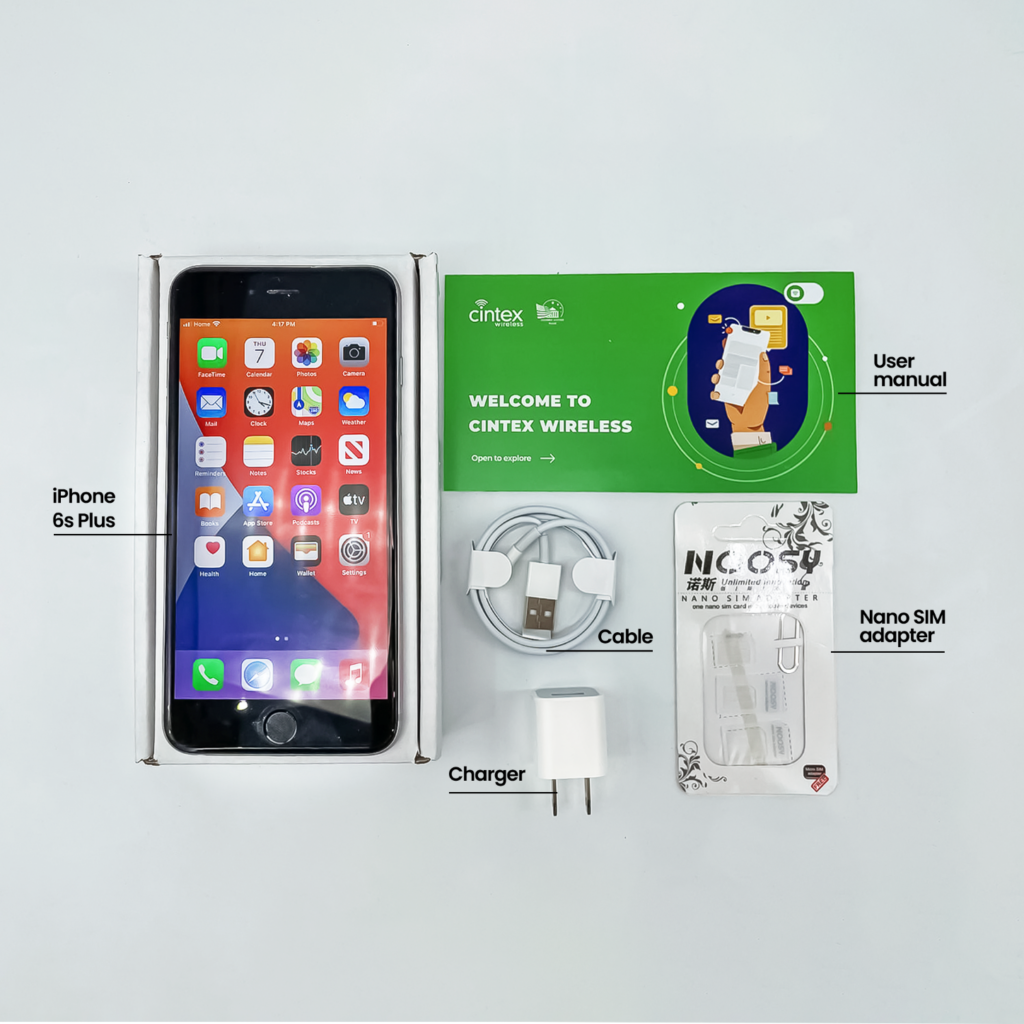
Depending on your state, ZIP code, eligibility, and available inventory, AirTalk Wireless offers benefits that may include:
- Unlimited talk and text at no cost.
- Free monthly data under eligible plans.
- Free or discounted smartphones and other devices.
- Additional calling features, including Wi-Fi Calling, Caller ID, call waiting, three-way calling, voicemail, and international calling to 200+ countries and territories.
Visit AirTalk Wireless to check your Lifeline eligibility and review available offers now!
DISCLAIMER: The government does not cover device costs, only basic service through Lifeline. Any free or discounted devices, upgrades, or top-ups are limited-time Cintex Wireless and AirTalk Wireless offers and may vary by state, eligibility, and availability. Terms and conditions apply.
6. FAQs
Does Medicaid pay for housing assistance?
Medicaid may cover certain housing-related services, such as help finding stable housing, support to maintain a home, or limited rental assistance through approved state programs. However, coverage differs across states, and members must meet specific program requirements to qualify for assistance.
How much rent assistance can you get from Medicaid?
There is no standard national amount. Some state programs provide rent assistance for up to six months, but payment limits, covered expenses, and eligibility requirements vary.
Please check your state’s Medicaid housing program for current details.
Does Medicaid pay for utilities?
Medicaid generally does not cover ordinary household utility bills. However, certain approved state programs, including Oregon’s HRSN housing benefits, may help eligible members pay for utilities or setup costs.
Can Medicaid help if I’m about to be evicted?
Possibly, if your state offers a housing support program for which you qualify. However, approval may take time, and Medicaid benefits may not be designed for urgent housing emergencies. Contact 211, your local Community Action Agency, or a housing legal aid organization promptly.
Does having Medicaid automatically qualify me for Section 8?
No. Section 8 has separate eligibility requirements, generally based on household income, family size, and other program rules. You must apply through a local public housing agency.
Conclusion
So, does Medicaid help with rent? In most cases, it will not cover your regular monthly housing costs, but certain state programs can provide temporary assistance to eligible members.
If your state does not offer this support, housing agencies, rental assistance programs, and community organizations may still help. Check the requirements early, especially if you are behind on rent or at risk of eviction.