
How long can you keep Medicaid after getting a job? The answer surprises most people, because a new paycheck does not flip a switch on your coverage.
What actually matters is your income, your state, and one program many enrollees have never heard of. Missing a single deadline, though, can cost you coverage you were still entitled to keep. Here is how the rules work and what to do first.
1. How Long Can You Keep Medicaid After Getting a Job?
You may be able to keep Medicaid after getting a job, but how long your coverage continues depends on your state, income level, Medicaid eligibility category, and whether you qualify for continued coverage options.
Starting a job does not automatically end Medicaid because eligibility is based on your overall circumstances, not employment status alone.
In Medicaid expansion states, many adults qualify based on income up to 138% of the federal poverty level, but limits vary by state, household size, and eligibility group.
Your Medicaid category also shapes which rules apply. Adults, children, pregnant enrollees, and people qualifying through disability each fall under different income thresholds.
Some enrollees, particularly those receiving disability benefits, have extra protections that let them earn more without losing coverage.
2. Do You Have to Report a New Job to Medicaid?
Yes. Medicaid members are generally required to report changes that may affect eligibility, including new employment or changes in income. The reporting timeframe depends on your state, with some states requiring updates within a specific number of days while others allow a longer period.
You can usually report changes through your state Medicaid portal, by phone, mail, or in person. Your state may request documents such as pay stubs or an employer letter to verify your updated income.
Reporting protects you as much as it protects the program. If you stay silent and later turn out to have been ineligible, the state can ask you to repay what Medicaid spent on your care during that period.
Reporting requirements and submission methods vary by state. The examples below are provided for reference only and may change, so always confirm the current process with your state’s Medicaid agency.
| State | Reporting Window | Where to Report |
| North Carolina | 10 days | ePASS |
| South Carolina | 10 days | Healthy Connections |
| Ohio | 10 days | Ohio Medicaid portal |
| Most other states | 10 to 30 days | State Medicaid website |

>>> Read more: Maximum Income for Medicaid: 2026 Limits by Category
3. Can Transitional Medical Assistance Extend Your Medicaid After a Job?
Besides knowing how long can you keep Medicaid after getting a job, you should know that Transitional Medical Assistance (TMA) may allow certain Medicaid members to continue receiving coverage after increased earnings from employment cause them to lose regular Medicaid eligibility.
In many cases, TMA can provide continued coverage for up to 12 months, although eligibility rules and continuation periods vary by state.
The program is designed to help eligible families avoid sudden coverage loss while adjusting to increased income from work.
Who May Qualify for TMA
TMA is aimed at families who lose eligibility because of earnings, not for another reason. Qualifying usually depends on a few conditions.
- You previously qualified for Medicaid before your income increased.
- Your loss of Medicaid eligibility is related to increased earnings from employment.
- You meet your state’s requirements for Transitional Medical Assistance.
- You complete any required reporting or renewal steps during the continuation period.

How Long Can TMA Continue
TMA may provide continued Medicaid coverage for up to 12 months, but the exact length and renewal requirements depend on your state’s rules.
Some states divide the continuation period into separate review periods, meaning members may need to provide updated information to maintain coverage.
Reaching the second block often depends on submitting income reports during the first one, so missing a report can end coverage early.
Why Getting a Job Does Not Automatically Give You TMA
TMA is not applied for you in the background. Your state has to know your income has changed, which means the 10-day report is what makes TMA possible in the first place.
States also define TMA differently, and a few limit it more narrowly than others, so confirming your own state’s terms matters, just like you’re confirming how long can you keep Medicaid after getting a job.
4. What Happens If Your Income Goes Over the Medicaid Limit?
Another thing besides the answer to how long can you keep Medicaid after getting a job is that if your income changes and you no longer qualify under your current Medicaid category, your state will review your eligibility before making a coverage decision.
Medicaid generally does not end immediately after a reported income change; states provide notice explaining any changes to your benefits and the effective date.
If you lose Medicaid coverage, you may qualify for a Special Enrollment Period to enroll in a Marketplace plan. The available enrollment period depends on your circumstances and the date your Medicaid coverage ends.
Before ending your case, the state checks whether you qualify under a different Medicaid category. Pregnancy, disability, and household changes can all keep coverage active even when the adult income limit no longer fits.
Your notice will state the exact date coverage ends, usually the end of that month. That window is your chance to compare Marketplace plans or enroll in employer insurance.
>>> Read more: If You Get Denied for Medicaid, Can You Apply Again?
5. Starting a New Job Can Also Lower Your Phone Bill
Reporting that new income is one task off your list after learning about how long can you keep Medicaid after getting a job. While your Medicaid case is still active, that same enrollment may help you qualify for something separate worth claiming before anything changes.
The Lifeline program, which is a government assistance program, reduces your monthly phone service or internet service bill. Standard households receive up to $9.25 per month, and households on Tribal lands receive up to $34.25 per month. Lifeline supplies the discount itself, not a device.
Qualifying happens automatically if you are enrolled in Medicaid, SNAP, SSI, Section 8, or Veterans Pension, etc., or if your household income sits at or below 135% of the federal poverty guidelines.
However, Lifeline does not directly provide you with a monthly discount. Instead, it works with approved Eligible Telecommunications Carriers (ETCs) who pair the Lifeline discount with their own device promotions to deliver the support
Cintex Wireless is one of those ETCs. New eligible applicants applying here have the chance to receive a free 5G smartphone along with $0 monthly service.
UPDATE: Cintex Wireless has merged into AirTalk Wireless, an ETC serving more than 2 million users. Customers can expect wider coverage, quicker application turnaround, and stronger monthly plan rewards.
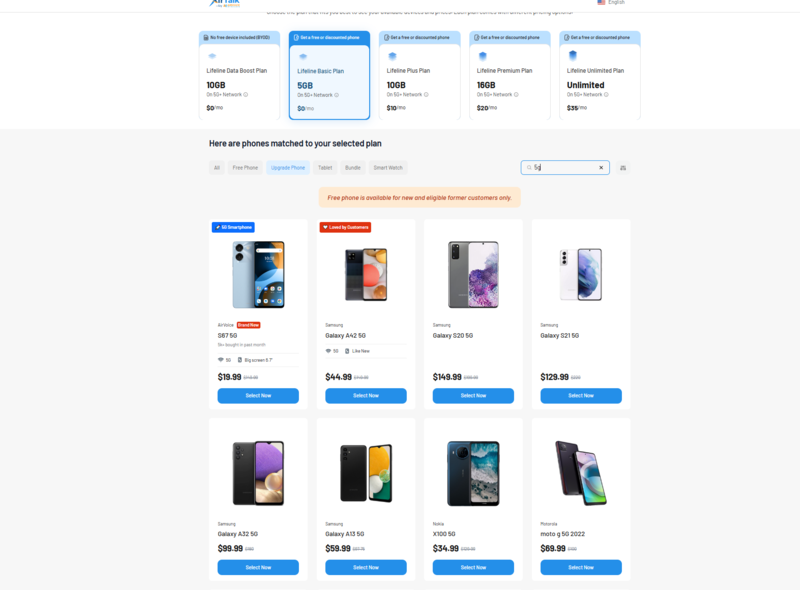
DISCLAIMER: The government does not subsidize devices. Lifeline programs cover basic service costs only. Free or discounted devices, upgrade plans, or top-ups are exclusive benefits provided by Cintex Wireless and AirTalk Wireless as part of the promotional offers. Terms and conditions apply. Limited-time promotion—offers vary by state, stock availability, and eligibility.
6. Frequently Asked Questions
Q1. How long does Medicaid last after you get a job?
Medicaid may continue after you get a job depending on your income, state rules, and eligibility category. Some people may qualify for continued coverage options, such as Transitional Medical Assistance, if they meet their state’s requirements.
Q2. Will I lose my Medicaid if I quit my job?
Quitting lowers your income, which can restore eligibility rather than end it. Report the change either way, since your state needs accurate income on file to recalculate your case.
Q3. Is it true you have to pay back Medicaid?
In some situations, states may seek repayment if someone received Medicaid benefits while they were not eligible. Reporting income changes accurately and on time can help prevent eligibility issues.
Q4. Can my child keep Medicaid if I start earning more?
Often, yes. Children may have different Medicaid or CHIP income limits than adults, so a parent losing eligibility does not always mean a child will lose coverage. The outcome depends on your state’s rules and your household situation.
Conclusion
Understanding how long you can keep Medicaid after getting a job depends on more than your employment status. Your income, state rules, eligibility category, and available continuation programs all determine what happens to your coverage.
Report changes promptly, review any notices from your Medicaid agency, and ask whether you qualify for continued coverage options before assuming your benefits will end.